
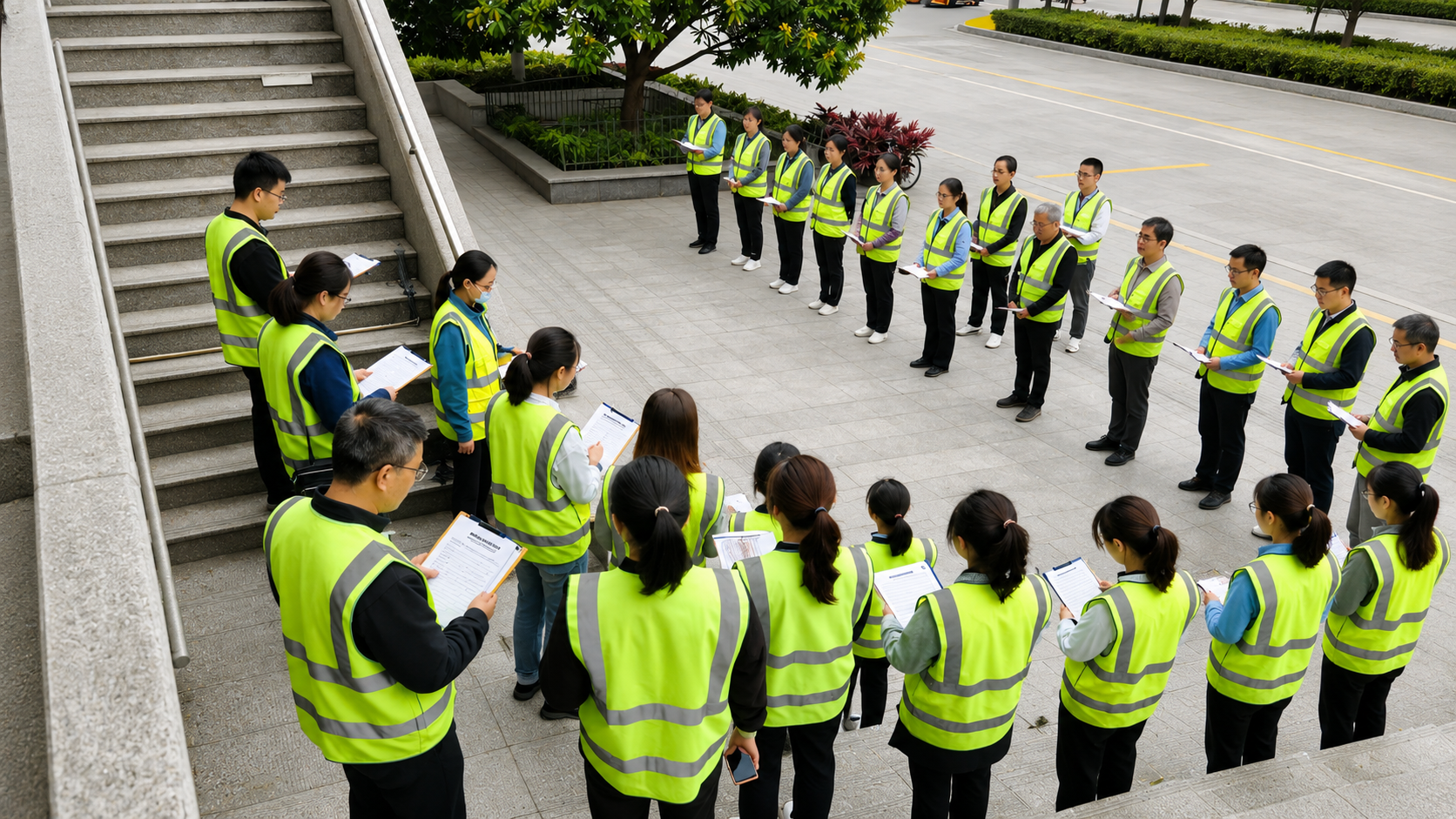
In 2026, organisations worldwide are facing growing challenges related to civil unrest, geopolitical instability, natural disasters, cybersecurity threats, and emergencies. Businesses operating globally must now prioritise employee protection as part of their overall risk management and business continuity strategy.
Civil protests, political violence, transportation disruptions, and unexpected emergencies can escalate rapidly, putting employees and operations at risk. As workforces become increasingly remote and globally distributed, companies need proactive strategies, real-time monitoring systems, and strong crisis response frameworks to ensure employee safety.
Protecting employees during emergencies is no longer only a security responsibility — it has become a critical component of workforce management, operational resilience, and corporate duty of care.
Why Employee Protection Is More Important Than Ever
Global crises can impact businesses with little warning. Employees working remotely, traveling internationally, or operating in high-risk regions may face serious threats during periods of instability.
Some of the most common risks include:
- Political protests and civil unrest
- Armed conflicts and regional instability
- Natural disasters and severe weather
- Cybersecurity threats and digital attacks
- Transportation and infrastructure disruptions
- Health and medical emergencies
Without proper preparedness, organizations may struggle to protect employees and maintain operational continuity.
1. Implement Real-Time Risk Monitoring Systems
One of the most effective ways to improve employee safety is by using real-time monitoring and intelligence platforms.
Modern systems continuously track:
- Geopolitical developments
- Protest activity and civil unrest
- Weather emergencies
- Transportation disruptions
AI-powered monitoring platforms provide instant alerts, allowing businesses to respond quickly before situations escalate.
2. Establish Strong Emergency Communication Protocols
Communication is critical during emergencies.
Organizations should develop communication systems that allow them to:
- Send instant emergency notifications
- Share safety instructions and updates
- Maintain contact with employees in affected areas
- Coordinate crisis response activities efficiently
Using multiple communication channels such as mobile alerts, email, messaging apps, and emergency hotlines improves reliability during disruptions.
3. Create Detailed Crisis Response Plans
Businesses should have structured crisis management plans tailored to different emergency scenarios.
Effective plans should include:
- Emergency response procedures
- Evacuation and shelter-in-place guidance
- Employee accountability processes
- Remote work contingency strategies
- Leadership escalation protocols
Well-prepared organizations can reduce confusion and improve response speed during critical situations.
4. Use GEO-Based Employee Monitoring Responsibly
Location-based monitoring systems help organizations identify employees located in affected regions during emergencies.
These tools improve:
- Workforce visibility during crises
- Emergency assistance coordination
- Evacuation planning
- Real-time situational awareness
Organizations should ensure that employee privacy and data protection standards are maintained while using location-based technologies.
5. Strengthen Travel Risk Management
Business travelers are especially vulnerable during political unrest and emergency situations.
Travel risk management systems help organizations:
- Monitor global travel threats in real time
- Send traveler safety alerts
- Track transportation disruptions
- Coordinate emergency evacuation support
Protecting employees during business travel is an essential part of corporate duty of care.
6. Integrate Cybersecurity into Emergency Planning
Civil unrest and emergencies often increase the risk of cyberattacks targeting businesses and remote employees.
Organizations should strengthen cybersecurity by:
- Monitoring suspicious digital activity
- Securing remote access systems
- Training employees on phishing threats
- Using multi-factor authentication
- Establishing rapid incident response plans
Combining physical and digital security improves overall organizational resilience.
7. Provide Employee Safety Training
Prepared employees are more capable of responding effectively during emergencies.
Organizations should conduct regular training on:
- Emergency response procedures
- Crisis communication protocols
- Personal safety awareness
- Cybersecurity best practices
- Evacuation and shelter guidance
Continuous training improves employee confidence and readiness during high-risk situations.
8. Support Employee Mental Health and Well-Being
Emergencies and unstable environments can create stress, anxiety, and emotional pressure for employees.
Businesses should support workforce well-being through:
- Access to counselling services
- Mental health support programs
- Flexible work arrangements during crises
- Transparent leadership communication
Employee well-being is a key part of long-term organizational resilience.
9. Conduct Regular Regional Risk Assessments
Organizations operating globally should continuously evaluate risks across different regions.
Risk assessments should analyze:
- Political and security conditions
- Infrastructure reliability
- Crime and civil unrest trends
- Environmental and weather risks
- Health and medical threats
Regular assessments help businesses update safety strategies proactively.
10. Integrate Employee Safety into Business Continuity Planning
Employee protection should be fully integrated into business continuity and operational resilience strategies.
Organizations should align safety monitoring with:
- Crisis management frameworks
- Supply chain continuity plans
- Remote workforce operations
- Emergency communication systems
Preparedness helps businesses maintain stability during rapidly changing situations.
The Role of AI in Employee Protection
Artificial intelligence is transforming workforce safety management in 2026.
AI-powered systems can:
- Detect emerging risks in real time
- Predict potential disruptions
- Automate emergency alerts
- Improve situational awareness
- Support faster operational decision-making
AI-driven intelligence allows organizations to respond more proactively during crises.
Industries Most Affected by Civil Unrest and Emergencies
Several industries rely heavily on employee safety monitoring and crisis management systems, including:
- Logistics and transportation
- Manufacturing and industrial sectors
- Energy and infrastructure companies
- Financial services and banking
- Technology and telecommunications firms
- Healthcare and pharmaceutical organizations
For these industries, workforce protection is closely linked to operational continuity and business resilience.
The Future of Employee Safety Management
As global risks continue to evolve, businesses will increasingly invest in advanced technologies and predictive intelligence systems.
Future employee safety strategies will focus on:
- AI-powered crisis monitoring
- Automated emergency communication platforms
- Predictive geopolitical intelligence
- Integrated cybersecurity and physical security monitoring
- Real-time workforce visibility tools
Organizations adopting these technologies will be better prepared to protect employees and manage future disruptions effectively.
FAQ’s
1.What industries benefit most from employee safety monitoring?
Industries such as logistics, manufacturing, energy, healthcare, technology, and financial services rely heavily on workforce protection systems to maintain operational continuity.
2. What are the biggest risks employees face during emergencies?
Common risks include political violence, natural disasters, cyberattacks, transportation disruptions, infrastructure failures, and health emergencies
Conclusion
Protecting employees during times of civil unrest has turned into a big priority for companies. Things are unpredictable now more than ever.
Real-time monitoring systems along with AI can provide intelligence, and there are communication protocols that help too. Proactive strategies for crises make a difference in keeping people safe and operations running smoothly. It seems like this approach works better overall.
Businesses focusing on preparedness will handle uncertainty in 2026. They can safeguard things and support employee well-being around the world. Some of it might be hard to get right.
Share on WhatsApp