
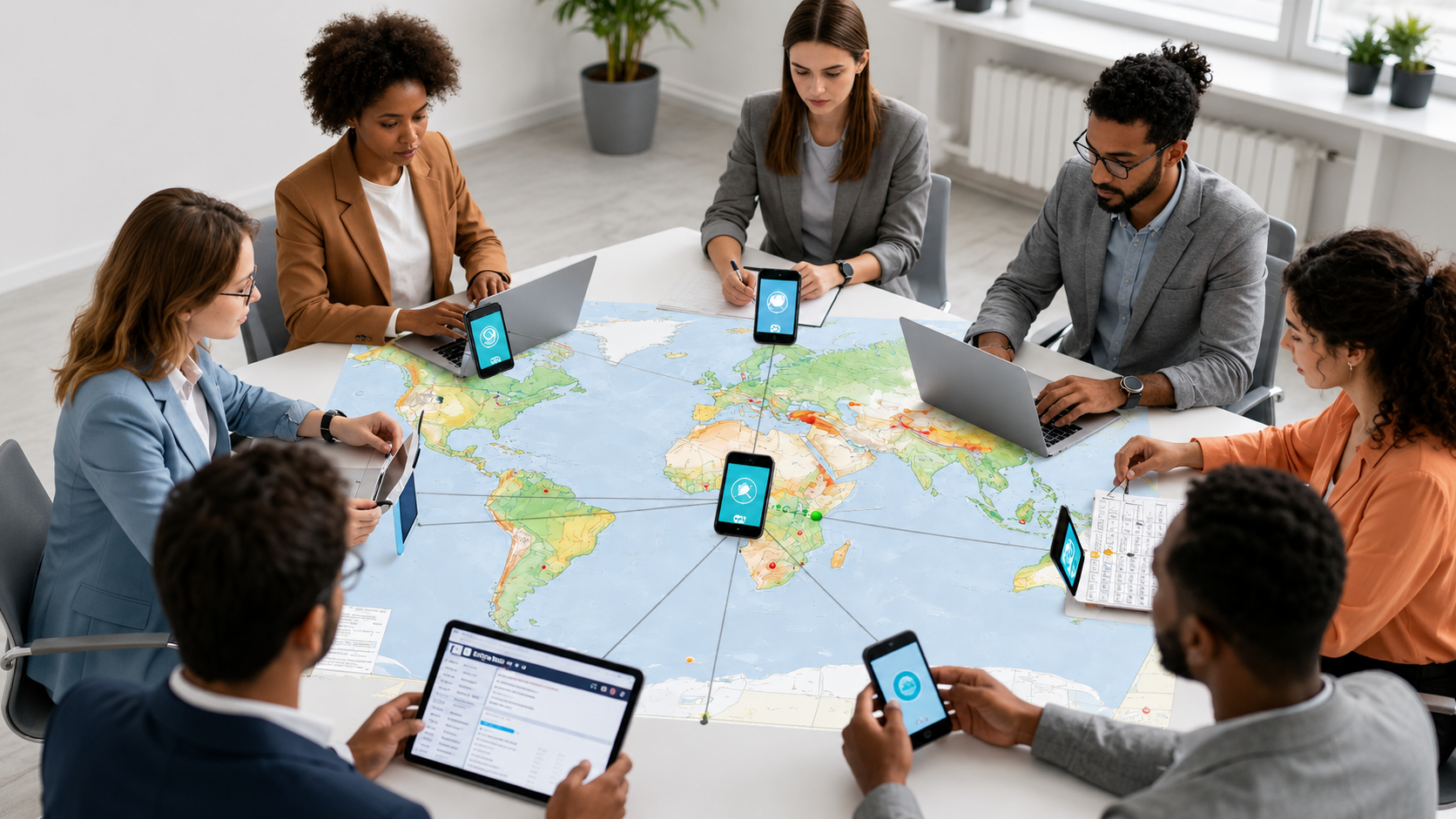
In 2026, firms have increasingly distributed together with mobile workforces across a variety of nations and regions with high risks. The use of remote work cross-border travel, unpredictable geopolitical risks associated with cybersecurity, catastrophic calamities, as well as medical emergencies all have rendered the safeguarding of employees a significantly different undertaking for organizations.
With the increasing complexity of the multinational operations, monitoring of the workforce security has become an integral part of the workforce management apart from the business continuity planning. Today’s organizations are not just about productivity and operational efficiency, but also workforce safety, real-time risk visibility and crisis readiness.
Monitoring employees for safety helps companies protect their workforce, respond faster in emergencies and keep operations resilient in an increasingly unpredictable global environment.
What Is Employee Safety Monitoring?
Employee safety monitoring refers to the use of technology, real-time intelligence, and risk management systems to track, assess, and respond to threats affecting employees.
Modern monitoring solutions use:
- Real-time alert systems
- AI-powered threat intelligence
- GEO-based risk monitoring
- Emergency communication platforms
- Traveler and workforce tracking tools
- Cybersecurity monitoring systems
These technologies help organizations identify risks early and protect employees regardless of location.
Why Employee Safety Monitoring Matters
Global workforce management now involves employees working remotely, traveling internationally, or operating in regions exposed to geopolitical instability and environmental threats.
Without proper monitoring systems, organizations may struggle to:
- Protect employees during emergencies
- Maintain communication during crises
- Respond quickly to operational disruptions
- Fulfil corporate duty of care responsibilities
- Maintain business continuity during global events
Employee safety monitoring helps businesses improve preparedness and reduce operational risks.
1. Protecting Employees During Geopolitical Crises
Political unrest, armed conflicts, protests, and regional instability can create immediate safety risks for employees.
Real-time geopolitical monitoring systems help organizations:
- Track emerging conflicts and civil unrest
- Identify employees located in affected areas
- Send GEO-targeted emergency alerts
- Coordinate evacuation or relocation support
- Improve crisis response decision-making
Fast access to intelligence helps businesses respond proactively during rapidly evolving situations.
2. Supporting Remote Workforce Safety
Remote work has increased the importance of continuous employee monitoring and communication.
Employees working in remote or high-risk regions may face:
- Infrastructure and connectivity disruptions
- Severe weather conditions
- Security incidents
- Limited access to emergency support
Real-time monitoring platforms allow organizations to maintain visibility and support remote employees effectively.
3. Improving Emergency Response Capabilities
During emergencies, communication and coordination are critical.
Employee safety monitoring systems help organizations:
- Send instant emergency notifications
- Track workforce locations in real time
- Coordinate crisis response activities
- Maintain communication during disruptions
- Provide rapid assistance when needed
Faster response times improve employee safety and reduce operational downtime.
4. Strengthening Corporate Duty of Care
Organizations have a legal and ethical responsibility to protect employees while they work or travel for business.
Employee safety monitoring strengthens duty of care by helping companies:
- Continuously assess workforce risks
- Provide timely safety alerts
- Maintain emergency communication systems
- Document crisis response actions
A proactive duty of care strategy also improves employee trust and organizational reputation.
5. Reducing Risks from Natural Disasters
Natural disasters such as floods, earthquakes, hurricanes, and wildfires can disrupt operations and threaten employee safety.
Real-time monitoring systems help organizations:
- Track environmental risks continuously
- Alert employees about evacuation orders
- Monitor transportation and infrastructure disruptions
- Coordinate emergency support efficiently
Preparedness and rapid communication are essential during environmental crises.
6. Managing Cybersecurity Risks
Global workforce management also involves protecting employees from digital threats.
Remote and hybrid employees are increasingly vulnerable to:
- Phishing attacks
- Malware and ransomware incidents
- Unauthorized system access
- Data breaches and cyber espionage
AI-powered cybersecurity monitoring systems help organizations detect suspicious activity and respond quickly to potential threats.
7. Enhancing Business Continuity and Operational Resilience
Employee safety directly affects business continuity. Workforce disruptions can impact productivity, logistics, customer service, and operational stability.
By implementing employee safety monitoring systems, businesses can:
- Reduce operational downtime
- Improve workforce resilience
- Maintain critical operations during crises
- Strengthen crisis preparedness and recovery strategies
Operational continuity depends heavily on workforce protection and real-time visibility.
The Role of AI in Employee Safety Monitoring
Artificial intelligence is transforming workforce protection strategies in 2026.
AI-powered systems can:
- Analyse global risks in real time
- Predict emerging threats before escalation
- Automate emergency alerts
- Improve workforce visibility and situational awareness
- Support faster operational decision-making
AI-driven monitoring enables businesses to move from reactive response to proactive risk management.
Industries That Benefit Most from Employee Safety Monitoring
Several industries rely heavily on workforce safety monitoring systems, including:
- Logistics and transportation companies
- Energy and infrastructure sectors
- Technology and telecommunications firms
- Manufacturing and industrial organizations
- Healthcare and pharmaceutical companies
- Consulting and professional services
For these industries, employee safety is directly linked to operational continuity and organizational resilience.
Best Practices for Global Workforce Safety
To improve employee safety monitoring, organizations should:
- Implement real-time alert and monitoring platforms
- Integrate AI-powered risk intelligence systems
- Establish emergency communication protocols
- Conduct regular regional risk assessments
- Train employees on crisis response procedures
- Combine cybersecurity and physical security monitoring
A proactive and technology-driven approach improves workforce protection and crisis readiness.
The Future of Employee Safety Monitoring
As global risks continue to evolve, businesses will increasingly rely on advanced technologies to protect distributed workforces.
Future workforce safety strategies will focus on:
- Predictive risk intelligence
- Automated emergency response systems
- AI-driven workforce analytics
- GEO-based safety monitoring
- Integrated cybersecurity and operational risk platforms
Organizations investing in these capabilities will be better prepared to manage uncertainty and support workforce resilience.
FAQ’s
1. How does it Address the Challenges of Remote Work?
Remote work presents unique challenges for employee safety monitoring. However, by implementing safety monitoring systems, organizations can ensure that employees working remotely are still safe and monitored.
2. How does it Impact Employee Well-being?
Employee safety monitoring can impact employee well-being by providing visibility into work patterns, which can help prevent burnout and other mental health issues.
Conclusion
In 2026, global workforce management prioritizes employee safety monitoring as a critical priority. Organizations can better protect employees, maintain operational continuity and strengthen business resilience by combining real-time intelligence, AI-powered monitoring, emergency communication systems and proactive risk management strategies.
In an increasingly unpredictable global environment, businesses that prioritize workforce safety and real-time monitoring will be better placed to navigate crises, protect operations, and ensure long-term organizational stability.
Share on WhatsApp