What is the Venezuela earthquake 2026?
On 24 June 2026, northwestern and central Venezuela experienced a highly destructive double earthquake sequence. The initial earthquake, measuring moment magnitude (Mw) 7.2, occurred at 1804 hours local time. The epicentre was located in the Veroes Municipality of Yaracuy State, near the coastal town of Moron, at an estimated depth of 20–22 kilometres. The second earthquake, measuring Mw 7.5, followed shortly thereafter with an epicentre east of the initial event at a shallower depth of approximately 10 kilometres, resulting in significantly greater surface shaking and structural damage. More than 20 significant aftershocks have been recorded since the main event.
Which areas are most affected?
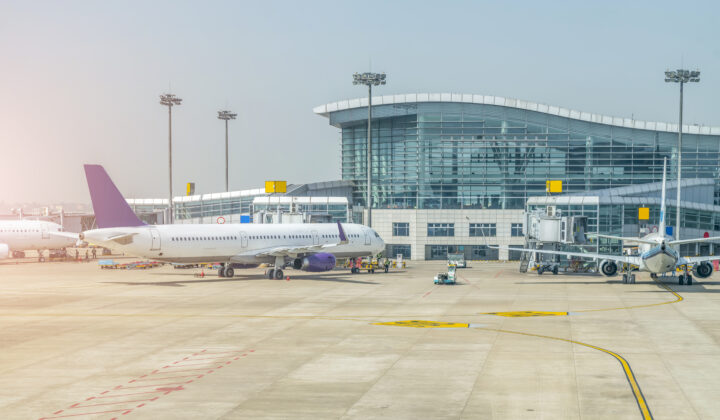
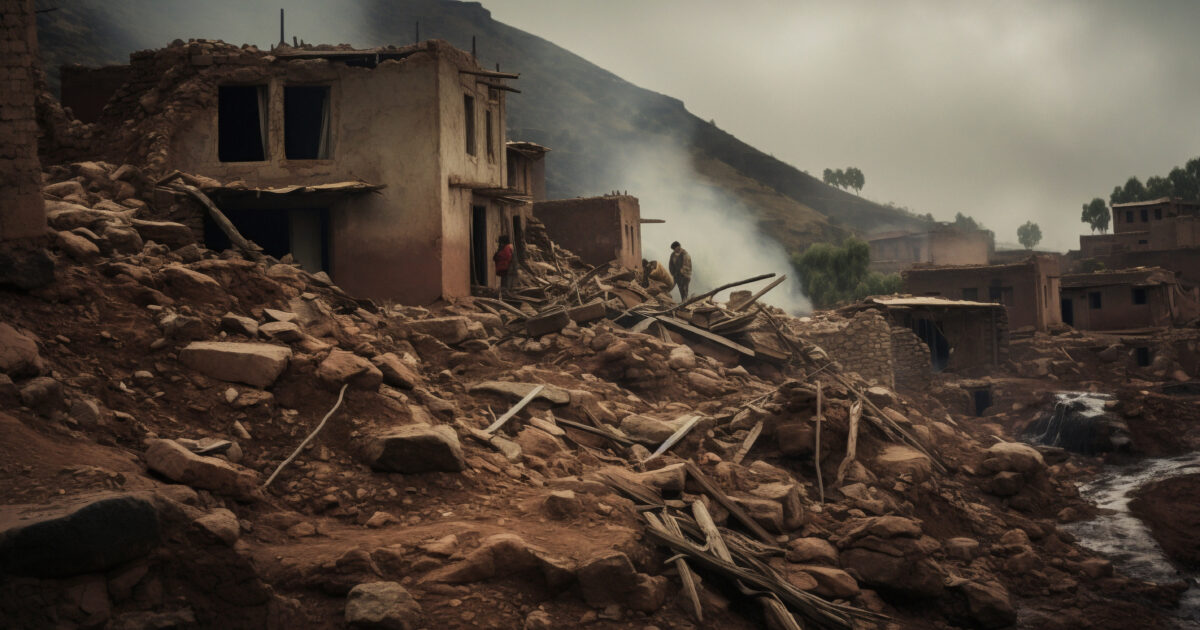
The earthquakes occurred on 24 June, a national public holiday commemorating the Battle of Carabobo, when a significant proportion of the population were reportedly at home rather than in commercial or office buildings. In Caracas, multiple residential and commercial structures have collapsed or sustained severe structural damage. The municipalities of Altamira and Los Palos Grandes are among the worst affected, with numerous high-rise residential buildings either partially or completely collapsed. La Guaria State has experienced some of the most severe impacts. Simon Bolivar International Airport (Maiquetia) sustained catastrophic structural damage, resulting in the suspension of all arriving and departing commercial flights. The Military Academy of the Bolivarian Navy also reported extensive damage. Seismic tremors were felt across much of Venezuela and in neighbouring countries, including northeastern Colombia and northern Brazil (including Manaus), as well as on several southern Caribbean islands, including Aruba, Bonaire, and Curacao.
What are the current impacts?
According to preliminary government statements, Acting President Delcy Rodriguez indicated at least 32 fatalities and more than 700 hospitalizations. However, authorities stated that these figures do not include data from La Guaria State, which has been designated a major disaster zone due to extensive destruction and ongoing communications outages. Given the widespread structural collapse and continuing search and rescue operations, casualty figures are expected to rise. The USGS Prompt Assessment of Global Earthquakes for Response (PAGER) system indicates a high probability that the final death toll may reach into the thousands. The Venezuelan government has declared a nationwide State of Emergency following extensive damage to critical infrastructure. Authorities have implemented emergency measures to mitigate secondary hazards, including the shutdown of Caracas’s central gas distribution network to reduce the risk of fires and explosions. Significant disruptions to electricity supply, telecommunications, and other essential public services have been reported. Operations on the Caracas Metro have been suspended indefinitely, while schools across the country have been closed until further notice.
What are the immediate risks?
Significant aftershocks are expected across Yaracuy State, La Guaria State, the Caracas Metropolitan Area, and neighbouring states including Carabobo, Aragua, and Miranda, with the greatest risk in areas closest to the earthquake epicentres and locations that have already sustained extensive structural damage. Following the earthquakes, tsunami advisories were temporarily issued for parts of the Caribbean, including Puerto Rico and the Dominican Republic. These advisories were subsequently lifted after assessments confirmed that the immediate tsunami threat had subsided. Damaged buildings, bridges, public facilities, and commercial establishments face an elevated risk of further structural deterioration due to continuing seismic activity.
What should organisations and individuals do to prepare?
It is advised to remain vigilant and follow all protocols laid down by the authorities and remain abreast with the latest updates. Avoid entering buildings, shopping malls, government offices, schools, and other structures that have not been inspected or declared safe by local authorities, as strong aftershocks may cause further structural damage. Personnel located in coastal communities should continue to follow instructions issued by local authorities and remain alert to any updated earthquake aftershocks or evacuation advisories. In the event of strong aftershocks, move to an open area away from buildings, utility poles, bridges, and other structures that may be vulnerable to collapse or falling debris. Emergency numbers: General Emergency Services (Police / Fire / Ambulance): VEN 911 / 166. International Committee of the Red Cross in Venezuela: +58 424 172 13 64 / +58 412 636 50 15. Venezuela National Directorate for Civil Protection and Disaster Management (DNPCAD): +0800-7248451 / +8000-558-84-27. Simon Bolivar International Airport: +58 (212) 303-1408 / +58 (212) 303-1629. Yaracuy State Emergency Team: +58 (424) 781-7515. Venezuela Coast Guard (MRCC La Guaria): +58 (211) 332-2891.
Frequently asked questions
When did the Venezuela earthquake occur in 2026?
The double earthquake sequence occurred on 24 June 2026, with the first Mw 7.2 earthquake at 1804 local time and a second Mw 7.5 earthquake shortly thereafter.
Which areas in Venezuela are most affected?
Caracas (Altamira and Los Palos Grandes), La Guaria State, and Yaracuy State are most affected. Simon Bolivar International Airport sustained catastrophic damage.
What are the emergency contact numbers for Venezuela?
General Emergency Services: 911 / 166. Red Cross: +58 424 172 13 64. DNPCAD: 0800-7248451. Simon Bolivar International Airport: +58 (212) 303-1408.
Download the full advisory now
datasurfr’s Risk Flash on the Venezuela earthquake carries the complete impact assessment, the full list of affected areas, and a detailed contacts directory. Download the full advisory now to brief your travel and continuity teams.
Filed under: AmericasRegional Risk Reviews