What are the UPI Regulatory Reforms 2026?
The UPI Regulatory Reforms 2026 comprise a revised Merchant Discount Rate (MDR) framework introduced by the Government of India for specified Person-to-Merchant (P2M) UPI transactions. The framework is intended to support the long-term sustainability, technological development and resilience of the UPI ecosystem while limiting the impact on consumers and small merchants. The reforms also include continued efforts by the Reserve Bank of India (RBI) and National Payments Corporation of India (NPCI) to expand UPI’s functionality, international acceptance and fraud-prevention capabilities. The UPI MDR rollout may face further delays beyond the post-Diwali deadline, with industry participants seeking additional time to prepare. The Supreme Court on 28 September refused to stay the Centre’s decision to impose MDR on specified P2M transactions.
When will the revised MDR framework be implemented?
The revised MDR framework was originally scheduled to take effect from 15 October 2026. NPCI has postponed implementation until after Diwali, which falls on 08 November 2026. On 13 October, the UPI and Services Steering Committee announced that MDR on select P2M UPI transactions will be implemented immediately post-Diwali, at a date to be notified separately. Reports suggest the implementation will likely be deferred to 01 January 2027, with official confirmation awaited. The near-term period from 14 October to 08 November 2026 should be treated as an implementation and readiness phase.
What are the key changes to the UPI MDR framework?
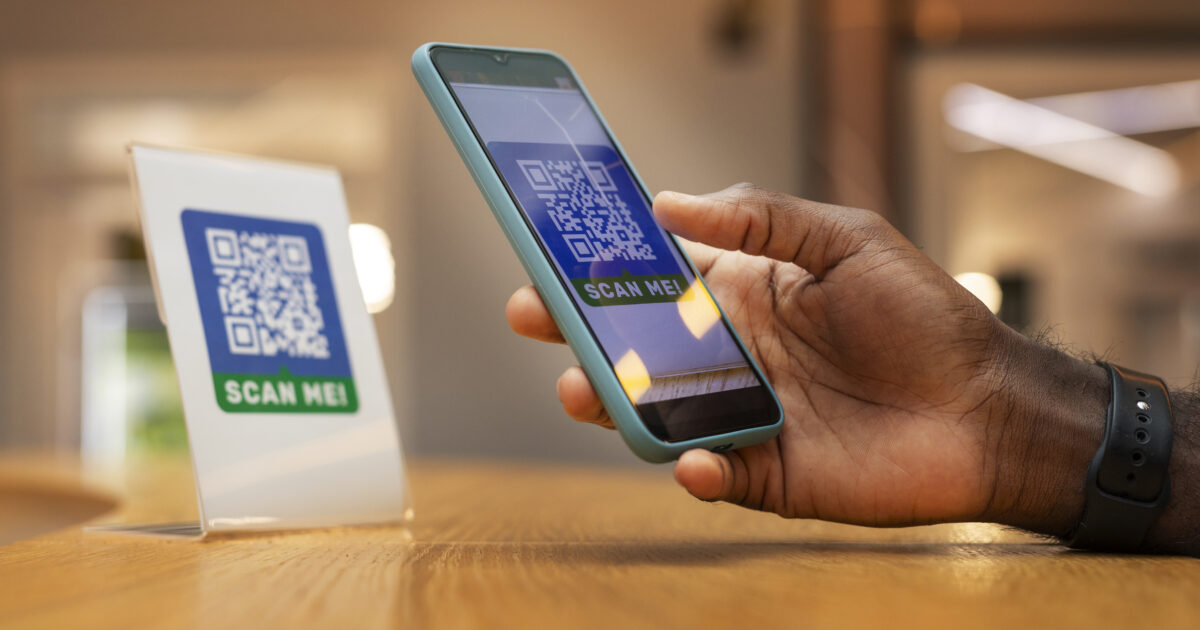
From the date the new regime begins, eligible P2M UPI transactions above INR 2,000 will attract an MDR of 0.4%, with the charge capped at INR 300 for transactions of INR 75,000 or more. Person-to-Person (P2P) transactions will remain free irrespective of transaction value. UPI payments up to INR 2,000 to merchants will remain free. Approximately 96% of P2M transactions will remain outside the MDR framework. Small merchants receiving up to INR 1 lakh per month through UPI QR codes will remain under a zero-MDR framework. Specific categories, including fuel, railways and telecommunications, will be subject to a flat MDR of INR 5, while capital-market related payments will attract a lower 0.02% rate subject to an INR 300 cap. MDR collected under the new framework will be distributed among participants in the payment ecosystem, including banks and payment application providers. The Government has also proposed allocating five percent of MDR collections towards supporting small merchants and wider UPI adoption.
What are the business impacts of the UPI MDR framework?
Retail and consumer businesses with higher-value UPI transactions may face increased transaction costs. Margin sensitivity is greater for businesses operating on narrow margins. E-commerce and digital services exposure varies by average order value, payment-provider pricing and transaction classification. Financial services face a two-sided impact: institutions may participate in MDR distribution while certain transactions attract MDR. Small and medium-sized enterprises close to the INR 1 lakh monthly threshold may face a material change in payment-cost profile if their merchant classification changes. Large enterprises may absorb direct MDR costs but face complexity in multi-provider settlement, accounting and technology configuration. Operational impacts include classification, settlement and reconciliation. Technology requirements include transaction identification, merchant classification, MDR calculation, settlement and reconciliation. Customer and workforce impacts include potential changes in payment acceptance and additional workload for finance and customer-service teams. Third-party impacts include different implementation timelines and reporting structures across payment providers.
What should organisations do to prepare for UPI Regulatory Reforms 2026?
Segment payment flows by transaction value, customer profile and business criticality, and maintain suitable alternative payment channels. Obtain written confirmation from acquiring banks and payment providers on applicable MDR rates, categories, exemptions, caps and settlement arrangements. Conduct end-to-end testing covering successful transactions, failed transactions, refunds, partial refunds, reversals and disputes. Provide finance, technology and frontline teams with standard operating procedures. Maintain cybersecurity and fraud controls, including access management, multi-factor authentication and transaction monitoring. Assign a designated owner to monitor updates from NPCI, RBI, the Department of Financial Services, SEBI and CBIC. Incorporate payment-processing disruption into business continuity plans. Conduct post-implementation reviews at 30, 60 and 90 days.
Frequently asked questions
When will the UPI MDR framework be implemented?
It is postponed until after Diwali (08 November 2026), with reports suggesting a possible deferral to 01 January 2027.
Which transactions are exempt from MDR?
P2P transactions, P2M transactions up to INR 2,000, and small merchants receiving up to INR 1 lakh per month through UPI QR codes.
What is the MDR rate for eligible transactions?
0.4% on P2M transactions above INR 2,000, capped at INR 300 for transactions of INR 75,000 or more.
Will consumers be charged MDR?
No. The Government has stated that MDR will not be passed on to consumers.
Download the full advisory now
MitKat’s Special Report on UPI Regulatory Reforms and Emerging Business Implications carries the complete impact assessment, implementation timeline and recommendations. Download the full advisory now to brief your finance and operations teams.
Filed under: India-South AsiaThreat Intelligence Special Reports