What is Tropical Storm Jangmi and when did it form?
Japan Meteorological Agency (JMA) has reported that Severe Tropical Storm Jangmi (Typhoon No. 6) remains active over the Philippine Sea and is approaching the coast of Okinawa Prefecture’s Main Island. The storm continues to affect weather conditions across parts of southern Japan on 01 June. Meanwhile, Philippine Atmospheric, Geophysical and Astronomical Services Administration (PAGASA) has reported that the storm dubbed locally as ‘Doming’ has exited the Philippines Area of Responsibility (PAR) on 01 June. Severe Tropical Storm Jangmi was located near 26.2 degrees North latitude and 127.3 degrees East longitude at 1845 hours local time on 01 June, moving north-northeast at 20 kilometres per hour. The system recorded a central pressure of 975 hectopascals, with maximum sustained winds of 30 metres per second, and gusts of up to 45 metres per second.
What is the cyclone track and forecast?
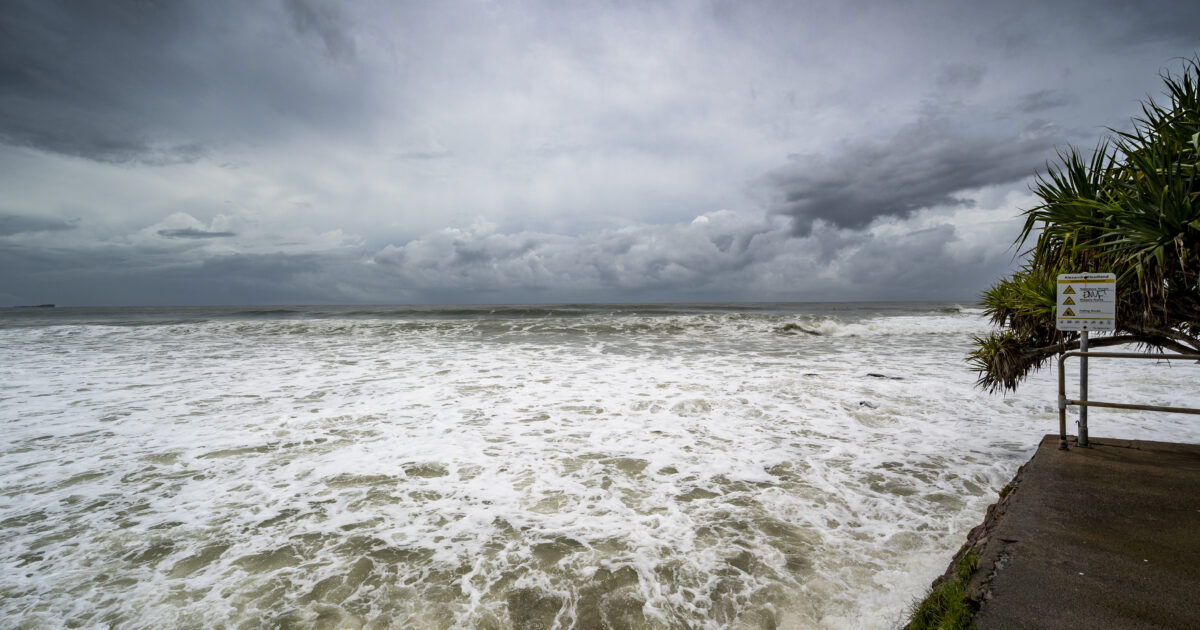
Jangmi is forecast to continue moving generally northward approaching Okinawa on 01 June and Amami on 02 June while maintaining tropical storm strength. It is then expected to gradually change course to the northeast, approaching Kyushu and Shikoku. On 03 June, it is expected to reach Kinki, Tokai, and Kanto-Koshin regions with strong winds. Heavy rainfall has been forecast for 01 and 02 June in Okinawa, Amami and southern Kyushu. By 03 June, heavy rainfall is expected in Shikoku, Kansai, Tokai and Kanto. Strong to gale-force gusts have been forecast for 02 and 03 June in several regions of the Philippines including Batanes, Central Luzon, and Metro Manila among others. Strong winds and rough seas are expected on 01 June and 02 June in the Okinawa and Amami regions. The Kyushu and Shikoku regions are likely to experience winds and rough seas on 02 and 03 June, and Kinki, Tokai and Kanto-Koshin regions may experience similar conditions on 03 June.
Which regions in Japan and the Philippines are most affected?
In Japan, Okinawa, Amami, Kyushu, Shikoku, Kinki, Tokai, and Kanto-Koshin regions are likely to face heavy rainfall conditions (exceeding 200–300 mm) in upcoming days. These regions are likely to also face strong winds and storm-related conditions such as flooding in low-lying areas, landslides, overflowing rivers and high waves along the coast. The Okinawa Prefecture is likely to continue facing air travel, bus and railway disruptions, with planned service suspensions, flight cancellations and road closures expected. Road travel conditions may also deteriorate due to reduced route reliability because of waterlogging, fallen trees or other obstructions, resulting in longer travel times and disruptions to logistics operations. Critical infrastructure disruptions such as power and telecommunication network outages are likely to occur. In the Philippines, Metro Manila, Batanes and Central Luzon among others, are likely to face minor travel and safety risks due to expected strong winds on 02–03 June.
What are the reported disruptions?
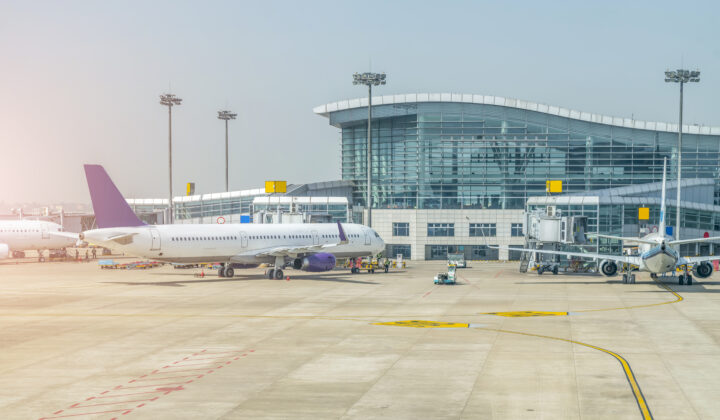
In Japan, Okinawa Prefectural Bus Association has reported that all bus services operated by Ryukyu Bus Kotsu, Naha Bus, Okinawa Bus and Toyo Bus across Okinawa Main Island are likely to remain suspended on 01 June. More than 400 flights to and from Naha International Airport in Okinawa have been cancelled, including Japan Airlines and All Nippon Airways flights, on 01 June. Several flights are likely to get cancelled due to heavy rainfall and storm-like conditions on 02–03 June. In the Philippines, more than 85,000 people were impacted by Domeng in Datu Piang, Datu Salibo, Shariff Saydona Mustapha, Sultan sa Barongis (Lambayong), and Ampatuan.
What government measures have been taken?
In Japan, authorities have advised residents to be extremely vigilant against strong winds, high waves, storm surges, landslides, flooding in low-lying areas and near rivers. Level 3 Alerts have been issued for the Okinawa and Amami prefectures indicating that elderly persons, persons of disability and others require more time to evacuate from the affected areas. These alerts are part of Japan’s five-level evacuation information system, where Level 3 indicates that elderly and vulnerable residents should begin evacuation preparations.
What should organisations and individuals do to prepare?
Organisations should closely monitor updates from the Japan Meteorological Agency (JMA) and PAGASA for real-time cyclone track and impact developments. Businesses operating in affected regions should review business continuity plans, secure loose outdoor items, and prepare for potential power outages and communication disruptions. Logistics operators should anticipate delays and consider alternate routes where feasible. Employees should be advised to avoid non-essential travel to affected areas and to follow instructions from local authorities. Individuals should secure important documents and valuables, prepare emergency kits with water, non-perishable food, medications, and power banks, and stay indoors during the storm. Residents in low-lying areas and near rivers should be prepared to evacuate if advised by authorities. Travellers should check flight status with airlines and confirm ground transportation availability before travelling to affected regions.
Frequently asked questions
When will Tropical Storm Jangmi make landfall?
Jangmi is forecast to approach Okinawa on 01 June, Amami on 02 June, and reach Kyushu, Shikoku, Kinki, Tokai, and Kanto-Koshin regions by 03 June.
Which regions in Japan are most affected by Tropical Storm Jangmi?
Okinawa, Amami, Kyushu, Shikoku, Kinki, Tokai, and Kanto-Koshin regions are most affected, with heavy rainfall exceeding 200–300 mm expected.
What are the emergency contact numbers for Japan and the Philippines?
National Emergency Hotline (Japan): 119. JMA: 03-3434-9051/03-6758-3900 (ext. 4202). PAGASA: (02) 8284-0800 or https://www.pagasa.dost.gov.ph/.
Download the full advisory now
datasurfr’s Special Advisory on the Tropical Storm near Japan and the Philippines carries the complete track map, the full impact assessment, and a detailed contacts directory. Download the full advisory now to brief your travel and continuity teams.
Filed under: APACRegional Risk Reviews