What is causing the transboundary haze in Malaysia, Indonesia and Singapore?
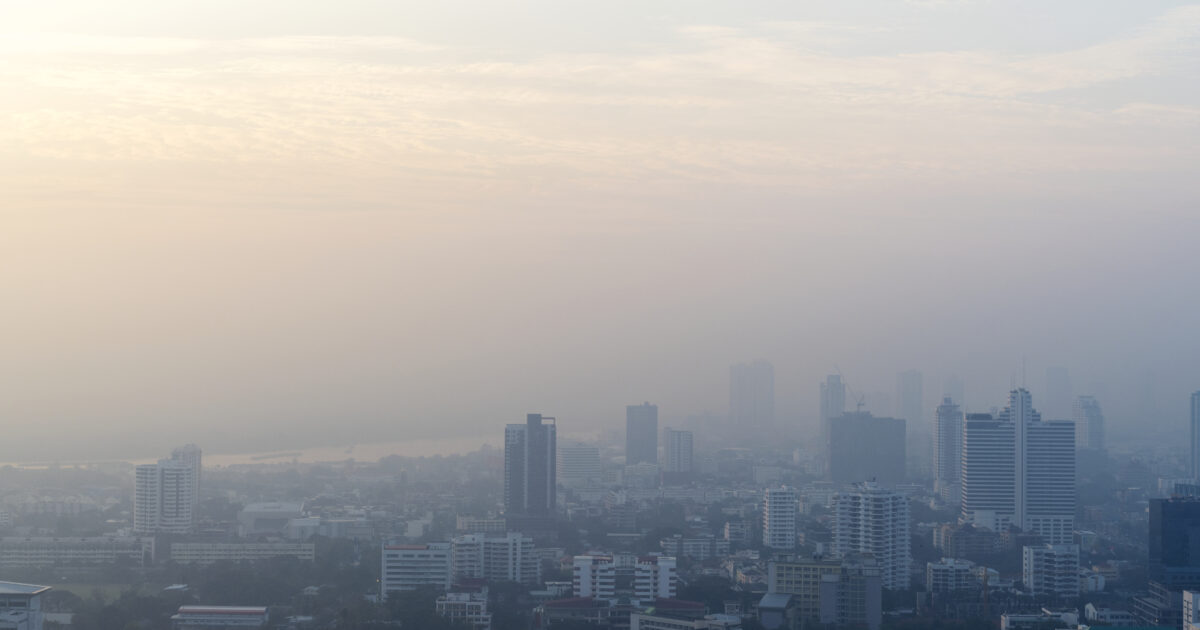
The current haze episode is linked to forest and land fires in Indonesia, particularly across fire-prone areas of Sumatra and Kalimantan. Dry conditions, below-average rainfall and prevailing south-easterly and south-westerly winds are supporting the movement of smoke across national borders. Strong El Niño conditions are expected to strengthen through October and November, potentially keeping hotspot activity elevated.
Indonesia recorded 18,576 satellite-detected hotspots on 05 October, compared with 15,085 the previous day. Central Kalimantan recorded hazardous air quality, while South Kalimantan, South Sumatra, Jambi and West Kalimantan remain among the affected areas.
Which areas are most affected by the transboundary haze?
In Malaysia, unhealthy API readings were recorded in Johor, Selangor, Kuala Lumpur, Putrajaya and Negeri Sembilan. Larkin and Pasir Gudang recorded particularly high readings, while Batu Pahat, Johan Setia, Cheras, Putrajaya and Nilai also recorded unhealthy levels.
In Singapore, the central and western regions are currently the most affected, with smoke plumes from southern Sumatra and Kalimantan continuing to influence air quality. Other parts of Singapore remain within the moderate range.
How could the transboundary haze affect businesses and travel?
Reduced air quality could affect employee health and restrict prolonged outdoor activity, particularly for people with respiratory or cardiovascular conditions. Businesses with outdoor workforces may need to adjust deployment arrangements as conditions fluctuate.
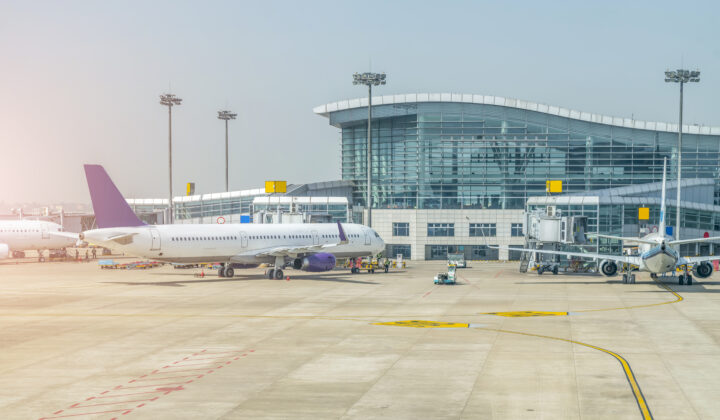
Haze could also reduce visibility and slow road movement. Employee commuting, time-sensitive logistics and cross-border road operations may face intermittent delays, particularly where smoke concentrations become sustained or authorities introduce precautionary measures. Aviation could also experience localised visibility-related disruption if haze becomes denser, although no major disruption has been reported at present.
What are the business continuity risks from the transboundary haze?
The principal business continuity concern is fluctuating operating conditions rather than widespread transport disruption. Companies with outdoor operations, road-based logistics or cross-border supply chains may face delays as visibility and air quality change.
Continued dry conditions and elevated fire activity could lead to renewed deterioration, making flexible workforce and logistics planning important. Businesses operating across Malaysia, Singapore and affected parts of Indonesia should monitor official API and PSI readings and maintain contingency options for travel and delivery delays.
Organisations should also account for employee welfare, particularly where staff are required to work outdoors or commute through areas experiencing unhealthy air quality.
How should organisations prepare for further haze disruption?
Businesses should monitor official haze advisories and air-quality readings and maintain flexible work arrangements where necessary. Outdoor operations should minimise prolonged exposure during periods of unhealthy air quality, while employees and logistics teams should allow additional travel time.
Organisations should also maintain contingency options for road and air logistics and monitor developments in hotspot activity, wind conditions and air quality. Relevant monitoring sources include the ASEAN Specialised Meteorological Centre, Malaysia’s Department of Environment, Indonesia’s SiPongi/ISPU and BMKG, and Singapore’s National Environment Agency.
The outlook indicates that haze conditions are likely to fluctuate through mid-October, with intermittent unhealthy readings possible in Singapore and continued transboundary haze risk in Malaysia while dry conditions persist over Sumatra.
Frequently asked questions
What countries are affected by the transboundary haze?
Indonesia, Malaysia and Singapore are currently affected. Indonesia is the principal source of the smoke, with fire activity concentrated across parts of Sumatra and Kalimantan, while Malaysia and Singapore are experiencing cross-border smoke impacts.
Could the haze disrupt flights and road travel?
The haze may affect road travel and could cause localised aviation delays if visibility deteriorates. However, no major airport or cross-border transport disruption has been reported at present.
What should businesses do during the haze?
Businesses should monitor official API/PSI readings and government advisories, maintain flexible working arrangements, minimise prolonged outdoor exposure and allow additional time for road and logistics movements. Organisations should also maintain contingency options in case air quality or visibility deteriorates.
Download the full advisory now
For the complete assessment of the transboundary haze Malaysia Indonesia Singapore situation, including affected locations, impact analysis and the 7–14 day outlook, download the full MitKat Risk Flash.
Filed under: APACRegional Risk Reviews