KEY TAKEAWAYS:
- The India – South Asia Monthly Risk Forecast September 2026 flags heightened political activity, major festivals and continuing monsoon disruption.
- The 18th BRICS Summit in New Delhi on 12–13 September brings VVIP route closures and tight security across the capital.
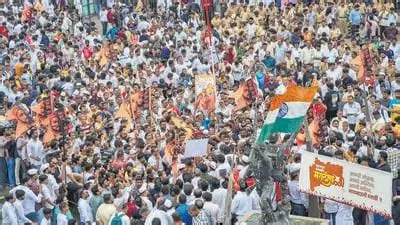
- Ganesh Chaturthi from 14 September and Zubeen Garg’s first death anniversary on 19 September in Assam will draw very large crowds.
- PTI’s planned long march to Islamabad on 27 September carries the month’s highest transport and continuity risk.
The India – South Asia Risk Outlook September 2026 is the monthly India and South Asia risk forecast produced by Team datasurfr for MitKat Advisory. It identifies four drivers for the month: political activity, religious festivals, large public gatherings, and continued monsoon disruption.
How will the BRICS Summit affect Delhi-NCR?
The 18th BRICS Summit runs in New Delhi on 12–13 September. Expect VVIP route closures, diversions across central Delhi and an elevated security posture through the preceding week.
Which festivals and gatherings will disrupt operations?
Ganesh Chaturthi begins on 14 September, observed on 15 September in Gujarat and 16 September in Goa, with processions and immersion routes closing roads for days. Janmashtami falls on 4–5 September. In Assam, the first death anniversary of Zubeen Garg on 19 September is expected to draw very large crowds.
Where is protest risk highest across South Asia?
Pakistan carries the month’s largest single protest risk: PTI’s planned long march towards Islamabad on 27 September, which would affect motorway access and business continuity in the capital. Sri Lanka expects nationwide NPP rallies, and India faces continuing agricultural, labour and student agitations.
What monsoon risk remains in September?
Monsoon activity continues across India, with the Northeast and Kerala most exposed to flooding, landslides and damage to roads, rail links and power infrastructure already weakened by August flooding.
What carried over from August 2026?
A glacier collapse in Nepal’s Langtang valley triggered a flash flood that killed more than 1,300 people and destroyed roads, bridges and hydropower infrastructure. Security tensions persist in Manipur, Assam–Meghalaya friction disrupted freight movement, and Sri Lanka’s dengue outbreak intensified.
What should organisations do this month?
Plan around the fixed dates. Build BRICS-week closures into Delhi-NCR logistics, avoid festival procession and immersion routes, defer non-essential Islamabad travel around 27 September, and monitor monsoon advisories for the Northeast and Kerala.
Frequently asked questions
What is the India – South Asia Monthly Risk Forecast September 2026?
The India – South Asia Risk Outlook September 2026 is a monthly regional risk forecast covering political, security, environmental and public-health risk across India, Pakistan, Bangladesh, Nepal, Sri Lanka and Myanmar, with operational guidance for the month ahead.
Which dates should businesses avoid in September 2026?
12–13 September for Delhi-NCR travel during the BRICS Summit, 14–16 September around Ganesh Chaturthi processions, 19 September in Assam, and 27 September for Islamabad, where PTI has planned a long march.
Is monsoon disruption still a risk in September?
Yes. Northeast India and Kerala remain exposed to flooding and landslides through September, with road, rail and power infrastructure most affected.
Download the full report now
The India – South Asia Risk Outlook September 2026, published as the MitKat Monthly Risk Forecast India–South Asia – September 2026, carries the full country-by-country analysis behind this summary. Download the full report now to brief your teams before the month’s key dates.
Filed under: India-South AsiaRegional Risk Reviews