What is the water shortage in Mumbai and Pune 2026?
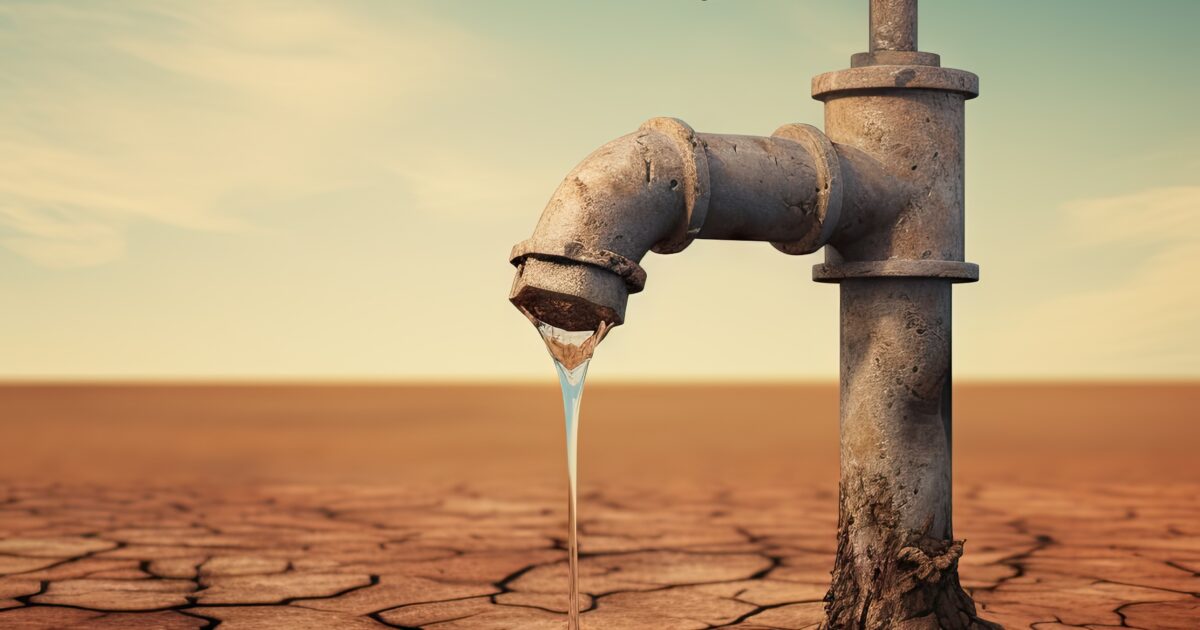
Mumbai and Pune are experiencing increasing water stress following a delayed Southwest monsoon and significantly below-average rainfall across Maharashtra, compounded by an El Niño event. The prolonged dry conditions have led to a sharp decline in the reservoir levels of both cities. With reservoir levels continuing to fall and uncertainty surrounding the monsoon’s progression, civic authorities in both cities have begun implementing conservation measures to manage limited supply and prioritise essential use.
What is the current water availability?
Mumbai’s seven reservoirs held only 10.35 percent of their live storage capacity as of 16 June, equivalent to around 40 days of water supply. Pune’s 35 major reservoirs are the most affected in Maharashtra, with storage at only 12 percent of capacity as of 15 June. Several reservoirs have reportedly reached dead storage, forcing authorities to reserve the remaining usable water exclusively for drinking purposes. Statewide, Maharashtra’s 138 major reservoirs collectively held only 23 percent of total storage as of 16 June, down from 28 percent a year earlier.
What restrictions have been imposed?
Mumbai: The BMC has adopted a phased water management strategy. Municipal water supply to construction sites and new construction water connections has been suspended. Water supply to swimming pools is suspended. A 20 percent reduction in water supply to industrial and commercial establishments, including sports clubs, is in effect (in addition to an earlier 10 percent reduction from 15 May). Enhanced enforcement against water wastage and misuse is in place. Pune: Alternate-day water supply has been implemented across most of the city. Use of potable water is prohibited for construction activities, swimming pools, vehicle washing, gardening, and pavement cleaning. Mandatory operation of Sewage Treatment Plants (STPs) in eligible housing societies and reuse of treated water for non-potable purposes is required. Action against illegal water connections and water wastage is underway.
What is the impact on businesses and individuals?
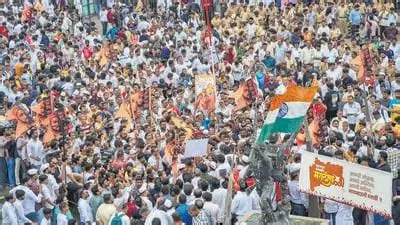
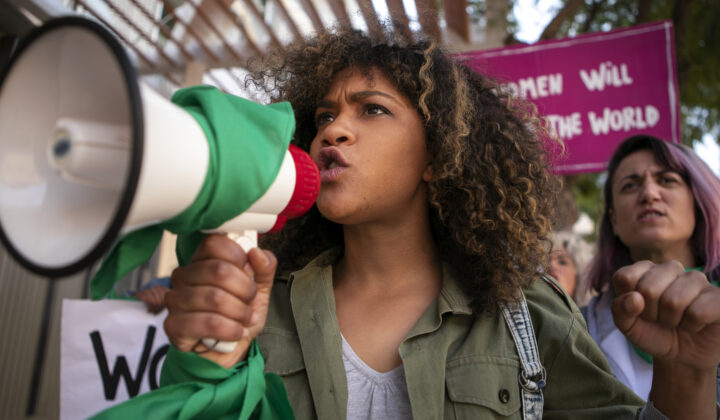
The implementation of alternate-day water supply in Pune and conservation measures in Mumbai indicate increasing pressure on urban water infrastructure, with further restrictions possible if reservoir levels continue to decline. Critical infrastructure, including hospitals, data centres, telecommunications facilities, transport hubs, and commercial complexes, may face increased reliance on contingency water arrangements. Increased dependence on private water tankers may strain availability and delay replenishment of onsite water reserves. Residential water shortages may affect employee preparedness and commuting, leading to workforce attendance delays and potentially increased demand for flexible work arrangements. Continued shortages may increase the likelihood of demonstrations near the BMC Headquarters in Mumbai and the PMC Headquarters in Pune. Statewide reservoir depletion may reduce hydroelectric power generation, increasing pressure on Maharashtra’s electricity supply. On 17 June, Congress members staged a protest at the PMC office over the city’s worsening water shortage, alternate-day supply, irregular distribution, and muddy water.
What should organisations and individuals do to prepare?
Organisations should review business continuity plans for water-dependent facilities and ensure contingency measures remain operational. Monitor BMC and PMC advisories for updates on water supply schedules and conservation measures while tracking weather forecasts and reservoir levels. Businesses are advised to verify onsite water storage and secure contingency tie-ups and arrangements with water tanker providers to mitigate supply disruptions and future price increases. Construction and infrastructure projects should ensure compliance with municipal water restrictions. If water shortages persist and begin affecting employee commutes or workplace operations, organisations should consider implementing flexible work arrangements or reduced office occupancy where operationally feasible. Emergency contacts: BMC Toll-Free: 1916; BMC Website: https://portal.mcgm.gov.in/. PMC Toll-Free: 18001030222; PMC Website: https://www.pmc.gov.in/.
Frequently asked questions
What are the current reservoir levels in Mumbai and Pune?
Mumbai’s seven reservoirs held 10.35 percent of live storage capacity as of 16 June 2026. Pune’s 35 major reservoirs held 12 percent as of 15 June 2026.
What water restrictions are in place in Pune?
Pune has implemented alternate-day water supply across most of the city. Potable water is prohibited for construction, swimming pools, vehicle washing, gardening, and pavement cleaning.
What are the emergency contact numbers for Mumbai and Pune?
BMC Toll-Free: 1916. PMC Toll-Free: 18001030222.
Download the full advisory now
datasurfr’s Risk Flash on the Severe Water Shortage in Mumbai and Pune carries the complete impact assessment, the full list of restrictions, and a detailed contacts directory. Download the full advisory now to brief your travel and continuity teams.
Filed under: India-South AsiaRegional Risk Reviews