What are the Pride parades in Europe 2026?
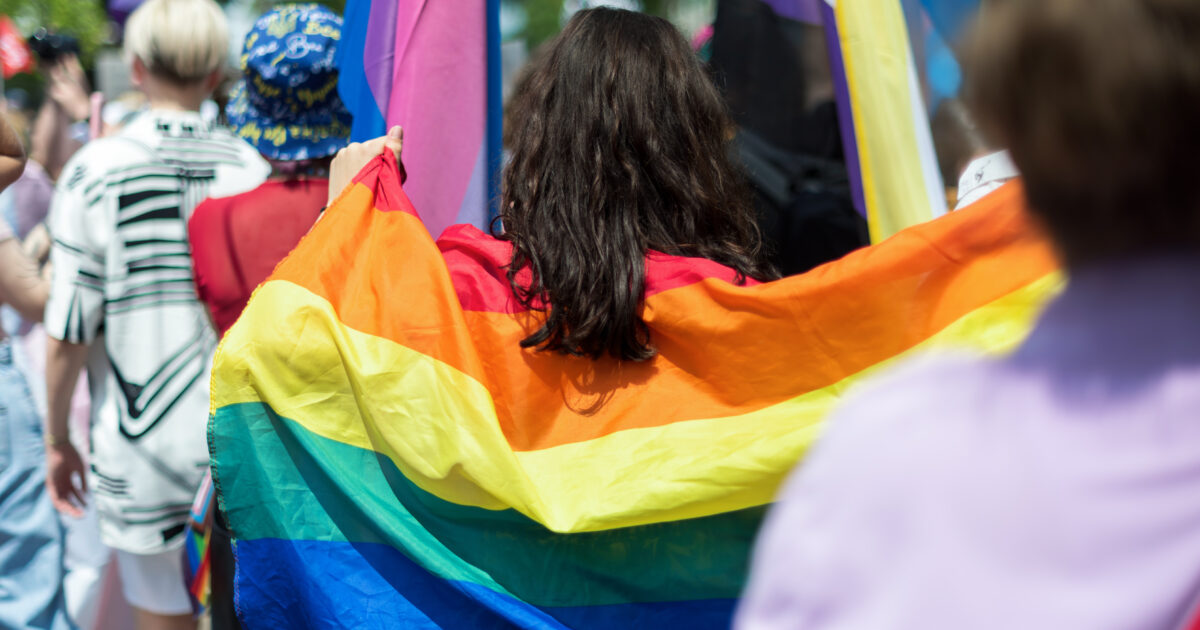
Pride events scheduled across Europe during June and July 2026 are expected to generate one of the region’s largest concentrations of public gatherings, with millions of participants anticipated in major urban centres. While most events in Western and Northern Europe are expected to proceed peacefully under extensive security arrangements, authorities in several jurisdictions maintain heightened vigilance amid concerns over extremist activity, counter-demonstrations, crowd-management pressures, and isolated acts of targeted violence. Central and Eastern European states—including Budapest, Warsaw, Bucharest, Sofia, and parts of the Balkans—face comparatively stronger political contestation and social opposition, with elevated public-order sensitivities.
Which cities and events are most affected?
Major events and estimated scales include: Vienna Pride (13 June, 100,000+), Sarajevo BiH Pride (20 June, 2,000+), Sofia Pride (13 June, 100,000+), Zagreb Pride (6 June, 2,000–10,000), Tallinn Baltic Pride (6 June, 2,000+), Helsinki Pride (27 June, 100,000+), Paris Pride (27 June, 500,000+), Cologne Pride (5 July, 1,200,000+), Berlin Pride (25 July, 1,000,000+), Budapest Pride (27 June, 350,000+), Dublin Pride (27 June, 100,000+), Milan Pride (27 June, 100,000+), Amsterdam Pride (25 July, 100,000+), Oslo Pride (27 June, 100,000+), Warsaw Equality Parade (13 June, 10,000+), Madrid Orgullo (4 July, 1,500,000+), London Pride (4 July, 1,500,000+), and Glasgow Pride (18 July, 50,000+). Budapest, Warsaw, and parts of the Balkans remain key public-order monitoring locations.
What are the key risks and impacts?
Key risks include significant road closures and traffic diversions near parade routes; severe congestion on metro, tram, and bus networks; temporary station closures; increased passenger volumes at airports and rail hubs; ride-share disruptions; restricted vehicular access near public squares and gathering zones; delays to deliveries and logistics; increased footfall in hospitality and retail; office commuting disruptions; and elevated risk of petty crime, opportunistic theft, and harassment in congested areas. In politically sensitive locations, risks include counter-protests, verbal harassment, vandalism, and localized public-order disturbances. Large gatherings may also remain attractive symbolic targets for lone-actor or ideologically motivated incidents. Organizations publicly associated with Pride campaigns may face increased online scrutiny and reputational attacks.
What should organisations and individuals do to prepare?
Organisations should monitor local security advisories, police announcements, and municipal transport updates. Review business continuity plans for offices near parade routes. Consider flexible or remote working for personnel in heavily affected city centres during peak event days. Advise employees to avoid non-essential travel through parade corridors and protest hotspots. Coordinate with local security providers and travel-risk partners. Increase monitoring of politically sensitive locations including Budapest, Warsaw, Bucharest, and Sofia. Prepare for short-notice mobility disruptions. Review crisis communication procedures and employee accountability protocols. Closely monitor reputational exposure linked to public-facing Pride campaigns. Individuals should maintain heightened situational awareness in crowded areas. Anticipate significant delays across transport networks. Avoid active counter-protest locations. Follow instructions from local authorities. Carry valid identification and maintain reliable communication. Avoid displaying visible affiliation with politically sensitive groups in areas of elevated tension. Use verified transport and route-planning apps. Exercise caution during late-night hours in congested entertainment districts.
Frequently asked questions
When are the major Pride parades in Europe in 2026?
Major events include Madrid Orgullo (4 July), Pride in London (4 July), Cologne Pride (5 July), Berlin Pride (25 July), Paris Pride (27 June), Budapest Pride (27 June), and Amsterdam Pride (25 July).
Which cities have the highest security risks?
Budapest, Warsaw, Bucharest, and Sofia face elevated public-order sensitivities due to counter-protest activity and political contestation.
What are the emergency contact numbers for Europe?
EU-wide emergency: 112. UK: 999. Ireland: 112 or 999. France: 112. Spain: 112. Germany: 112. Italy: 112. Hungary: 112. Poland: 112.
Download the full advisory now
datasurfr’s Special Advisory on Pride Parades in Europe carries the complete event calendar, the full risk assessment, and a detailed contacts directory. Download the full advisory now to brief your travel and continuity teams.
Filed under: EMEAThreat Intelligence Special Reports