KEY TAKEAWAYS:
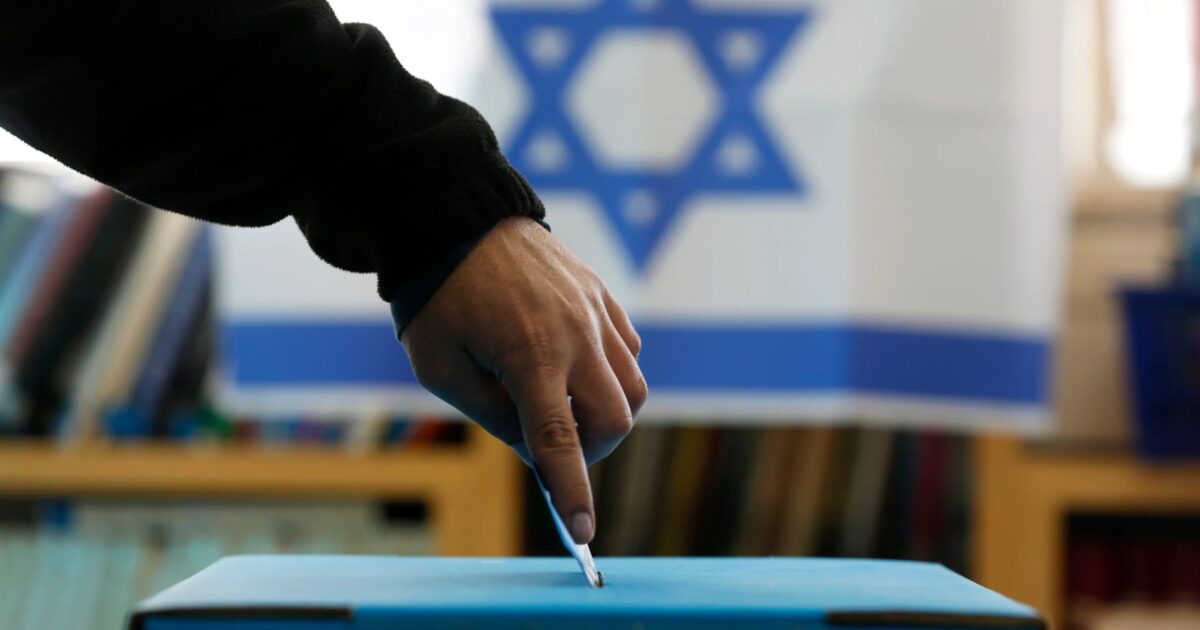
- Israel votes for the 120-member 26th Knesset on 27 October 2026, its first regularly scheduled election since 1988 and the first since the 07 October 2023 attacks, with 38 party lists competing and polls open mainly from 0700 to 2200 hours local time.
- Election day is a statutory public holiday. Per the report, mid-October polling averages put the pro-Netanyahu bloc and the main opposition bloc (led by Gadi Eisenkot’s Yashar) each in the low-to-mid 50s, with Arab lists at roughly 12–13 seats, so neither side is projected to reach the 61 seats needed for a majority.
- Official results are expected around 04 November, after which a designated candidate has 28 days (extendable by up to 14) to form a government. MitKat’s scenarios include another Netanyahu-led government, a broader right-led coalition, an opposition-led government, and a fragmented Knesset with protracted talks.
- The main business risks are localised traffic and access restrictions, demonstrations, election-themed phishing and DDoS activity, and policy uncertainty during coalition talks, while freight, ports and Ben Gurion Airport are not expected to face election-related restrictions.
Israel goes to the polls on 27 October 2026 in a closely contested election. This summary draws on MitKat’s special report. The election is politically charged, so polling figures, scenarios and party positions below are attributed to the report and to the parties themselves, and the scenarios are analysts’ judgements, not predictions of the result.
What is happening in Israel’s 2026 legislative elections?
Voters elect the 120-member Knesset on 27 October, after the 25th Knesset completed a full four-year term without early dissolution, the first time that has happened since 1988; it formally dissolved on 17 July. The report describes the vote as the first since the Hamas-led attacks of 07 October 2023 and the wars that followed, and widely framed as a referendum on Prime Minister Benjamin Netanyahu’s leadership, security policy and conduct of the war period. Themes include national security, accountability for 07 October, the conscription of ultra-Orthodox (Haredi) men, the cost of living and judicial governance. Voting at diplomatic missions abroad began on 15 October and ended with turnout above 2022’s, and the last day for publishing polls was 23 October.
How does the electoral system and government formation work?
Israel uses closed-list proportional representation in a single nationwide constituency, and a list needs at least 3.25 percent of valid votes, roughly four seats, to enter the Knesset. Seats are allocated by the Bader-Ofer method, a variant of D’Hondt, and parties can sign surplus-vote agreements to pool leftover votes. Thirty-eight lists are competing. Official results are expected around 04 November, with appeals due by 18 November. The President then consults parties and, within seven days, gives the mandate to the member judged most likely to succeed. That person has 28 days, extendable by up to 14, to win a confidence vote from at least 61 members. If every stage fails, new elections follow about 90 days later, and the outgoing government stays on as a caretaker. The report notes that no party has ever governed alone in Israel.
Who are the main blocs and what do the polls show?
The report describes a pro-Netanyahu bloc of Likud, Shas, United Torah Judaism, Religious Zionism–Zehut and Otzma Yehudit, and a main Zionist opposition bloc of Gadi Eisenkot’s Yashar, Together (B’Yachad), led by Naftali Bennett and Yair Lapid, Yair Golan’s The Democrats and Avigdor Lieberman’s Yisrael Beiteinu. Mid-October polling averages in the report put each bloc in the low-to-mid 50s, with the Arab lists, Ra’am and the Joint List, at roughly 12–13 seats and several small lists, including Benny Gantz’s Blue and White, hovering near the threshold. The report also notes that Mr Netanyahu remains on trial in a long-running corruption case, and that Together and Yisrael Beiteinu, and Yashar and The Democrats, have signed surplus-vote agreements, which are not commitments to govern together.
What scenarios does MitKat see for the next government?
MitKat sets out four scenarios. In the first, the Netanyahu-aligned bloc reaches 61 seats and forms another government, which the report says would mean continuity in security policy and possibly more West Bank settlement activity, with coalition stability exposed to disputes over Haredi conscription and funding. In the second, the bloc falls short and Likud seeks wider or alternative support, which could require policy compromises and delay formation. In the third, the opposition parties secure enough support to form an alternative government, which the report says could shift priorities towards institutional accountability, conscription reform and international relations, though ideological differences, including over cooperation with Arab-led parties, could limit change. In the fourth, a fragmented Knesset leads to protracted negotiations, a caretaker government and possibly another election. The report classes a clear majority for either side without extensive negotiation, and prolonged deadlock, as the least likely outcomes.
What are the security and business risks?
The report flags possible political violence and localised clashes near rallies, government buildings and public gathering points in Jerusalem, Tel Aviv-Yafo, Haifa and Beersheba, and heightened tension in mixed Jewish-Arab municipalities. It also warns of election-related misinformation and AI-generated content on Telegram, WhatsApp, X and TikTok, and of DDoS attacks, phishing and defacement against election-related and media systems. On the ground, expect localised traffic restrictions near party headquarters, campaign venues and polling stations, and possible delays on Highways 1, 2, 4 and 6. Freight links between Haifa and Ashdod ports and inland facilities could see localised delays, and technology hubs such as Silicon Wadi, Matam in Haifa, Petah Tikva and Ashdod could see minor commute delays, but widespread freight disruption is not expected. Ben Gurion Airport, the ports and land crossings are not expected to face election-related restrictions in normal circumstances. After the vote, victory rallies and demonstrations, including at Habima Square in Tel Aviv, could cause congestion, and long coalition talks could delay government approvals, procurement and budget decisions.
What should businesses and individuals do to prepare?
For businesses, the report recommends identifying alternative logistics routes along Highways 1, 2 and 6, reviewing schedules for high-priority freight and deliveries around election day and major gatherings, preparing commute contingencies for tech parks and industrial zones, and considering flexible working for offices in central Tel Aviv-Yafo, Jerusalem or near government buildings and protest sites. It also advises keeping cybersecurity monitoring in place, warning staff against election-themed links and unverified attachments, reviewing site access and visitor checks near polling stations, and briefing security and facilities teams on emergency procedures. Individuals are advised to avoid non-essential travel near party headquarters, government buildings, the Knesset precinct and established protest sites such as Kaplan Street, Habima Square and Paris Square, allow extra travel time, follow Israel Police, Home Front Command and Central Elections Committee updates, and leave the area if unrest develops nearby.
Frequently asked questions
Is election day a public holiday in Israel?
Yes. Tuesday, 27 October is a statutory public holiday, although public transport and designated essential services are permitted to operate, and businesses should confirm their providers’ schedules.
How many seats does a party need to form a government?
A prime minister-designate needs a confidence vote from at least 61 of the 120 Knesset members. No party has ever reached that alone, so coalition agreements are the norm.
When will the official results be declared?
The Central Elections Committee is expected to declare official results on 04 November, with appeals due by 18 November.
Will the election affect Ben Gurion Airport or the ports?
The report does not expect election-related restrictions at Ben Gurion Airport, Haifa Port, Ashdod Port or land crossings in normal circumstances, though changes in security conditions could affect access routes.
Download the full report now
MitKat’s Special Report on the Israel Legislative Elections 2026 carries the full party-by-party breakdown, the complete scenario analysis, the security and impact assessment, and a directory of official emergency and election contacts. Download the full report now to brief your risk and continuity teams.
Filed under: EMEAThreat Intelligence Special Reports