What is the current flood situation in Northeast India?
The southwest monsoon continued to trigger widespread flooding and flash floods across Northeast India as of 31 July 2026. Assam and Nagaland faced the most severe reported impacts, while heavy rainfall and landslides also affected Arunachal Pradesh and other northeastern states.
In Assam, around two lakh people across eight districts and 437 villages remained affected, with 80 fatalities reported. Rescue and relief operations involving multiple agencies were ongoing. Rising water levels in the Brahmaputra and its tributaries, alongside intense upstream rainfall, contributed to inundation and disrupted access to rural communities.
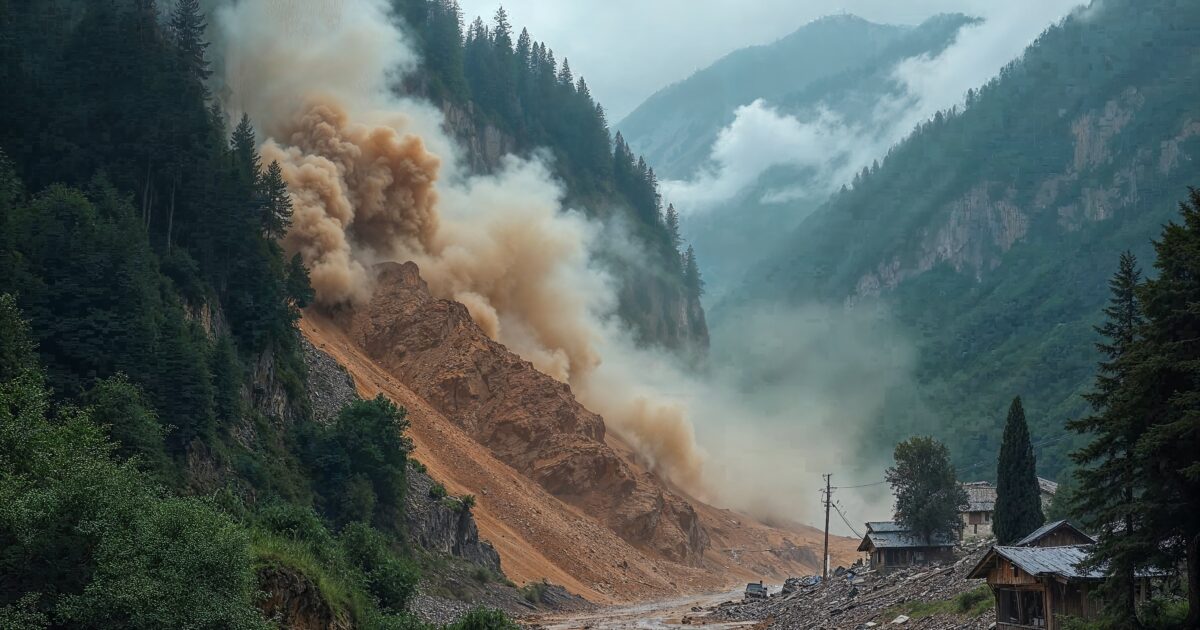
Nagaland experienced multiple landslides that damaged infrastructure and disrupted road connectivity. Meanwhile, a major landslide in Arunachal Pradesh obstructed the Siji River, raising concerns about potential flash flooding downstream towards Assam.
Which areas in Northeast India are most affected by floods and landslides?
The reported impacts varied by state, with flooding concentrated in vulnerable low-lying areas and landslides affecting hilly terrain and road corridors.
- Assam: Sivasagar, Charaideo, Golaghat, Jorhat, Nagaon, Sonitpur, Baksa, Darrang, Nalbari, Goalpara, Morigaon and Cachar, alongside areas near the Nagaland border.
- Nagaland: Longleng, Tuensang, Wokha, Kiphire, Mokokchung, Khongiri, Mimi and the Tuli subdivision.
- Arunachal Pradesh: Lower Siang, Itanagar, Lower Subansiri, East and West Kameng, Upper Subansiri, Anjaw, Dibang Valley, Tirap, Changlang and other listed districts.
- Meghalaya: East Khasi Hills, Jaintia Hills and Ri-Bhoi, where heavy rainfall and steep terrain present localized landslide and road-blockage risks.
- Mizoram and Tripura: Earlier monsoon incidents had affected access along NH-54 near Siaha and Lawngtlai, as well as districts including Unakoti, Dhalai and Khowai.
The advisory also identified vulnerable areas in Manipur and Sikkim, although it reported no major new flood emergency in these states at the time.
How are floods and landslides disrupting transport and power supply?
Road connectivity was affected across multiple districts, complicating access for residents, emergency responders and businesses. In Assam, disruptions were reported around Chhaygaon, Rangjuli, Azara, Hajo, Patharkandi, Haflong and Tingkhong, among other locations.
In Nagaland, landslides blocked sections of the Wokha–Merapani road, including locations near Sanis ‘0’ Point and between Chüdi and Longtsüng villages. Disruptions were also reported on routes connecting Khongiri and Mimi, Jakhama and Changtongya. Local access issues were reported in parts of Tripura.
Power outages in flood-affected areas of Assam further complicated operations. Restoration was proceeding in phases, with outages reported in pockets including Gaurisagar, Sivasagar, Nazira, Amguri and Demow. Reconnection depended on safety clearances and restoration of affected transformers, feeders and substations.
These disruptions could delay deliveries, interrupt field operations and make employee commutes more difficult, particularly in Upper Assam and hilly areas.
What are the business continuity risks from Northeast India’s monsoon situation?
The combination of heavy rainfall, rising river levels, landslides and utility outages creates several operational concerns for organizations with personnel, facilities or supply chains in affected districts.
- Logistics and supply chains: Road closures and damaged infrastructure may delay freight movement, deliveries and access to remote locations.
- Workforce safety and attendance: Unsafe commuting routes and localized flooding may affect employees travelling to offices, industrial facilities or project sites.
- Power and communications: Utility outages can interrupt operations, while restoration teams may face access constraints.
- Field operations: Continued rainfall and unstable terrain may require businesses to postpone non-essential travel and reassess site access.
- Operational scheduling: Further rainfall may cause intermittent disruption, making contingency planning and flexible schedules important.
The advisory identified continued heavy rainfall as a factor sustaining the risk of localized flooding, flash floods, landslides and rapid river-level rises, particularly in Assam, Nagaland and Arunachal Pradesh.
How can businesses prepare for floods and landslides in Northeast India?
Businesses operating in or dependent on affected areas should take practical steps to reduce disruption and protect personnel.
- Introduce flexible working arrangements. Consider remote work or adjusted shifts for employees whose commutes depend on vulnerable roads.
- Prepare alternative logistics routes. Identify viable alternatives where highways or rural roads are blocked, and allow additional time for deliveries.
- Monitor official warnings. Track updates from the India Meteorological Department (IMD) and relevant state disaster-management authorities before making travel or operational decisions.
- Maintain backup power and communications. Check backup arrangements for facilities vulnerable to localized outages or delayed utility restoration.
- Review field activity and employee safety. Reassess travel plans, site access and work schedules when heavy rainfall, landslides or movement restrictions are anticipated.
For emergencies in India, the advisory lists 112 as the National Emergency Response Support System number, 100 for police and 108 for ambulance services. It also lists 1070 and 1079 for the Assam State Emergency Operation Centre. Confirm that contact numbers remain current before relying on them.
Frequently Asked Questions
1. Which states were most affected by flooding in Northeast India in July 2026?
Assam and Nagaland were identified as the worst-affected states in the 31 July advisory. Arunachal Pradesh also faced heavy rainfall and landslide concerns, including the obstruction of the Siji River.
2. How did the floods and landslides affect businesses?
Road closures, disrupted rural access and power outages threatened logistics, employee commutes and field operations. Businesses were advised to plan alternative routes, adopt flexible working arrangements and maintain backup power and communications.
3. Where can businesses find official weather and disaster updates?
Businesses can monitor the India Meteorological Department at mausam.imd.gov.in and the National Disaster Management Authority at ndma.gov.in. Relevant state disaster-management authorities should also be monitored for local warnings and restrictions.
Download the full advisory now
For a more detailed overview of the reported flood and landslide situation, affected locations, infrastructure disruptions and business continuity recommendations, refer to the MitKat Advisory: Update on the Flood and Landslide Situation in Northeast India.
Filed under: India-South AsiaRegional Risk Reviews