What is the current flood situation in Northeast India?
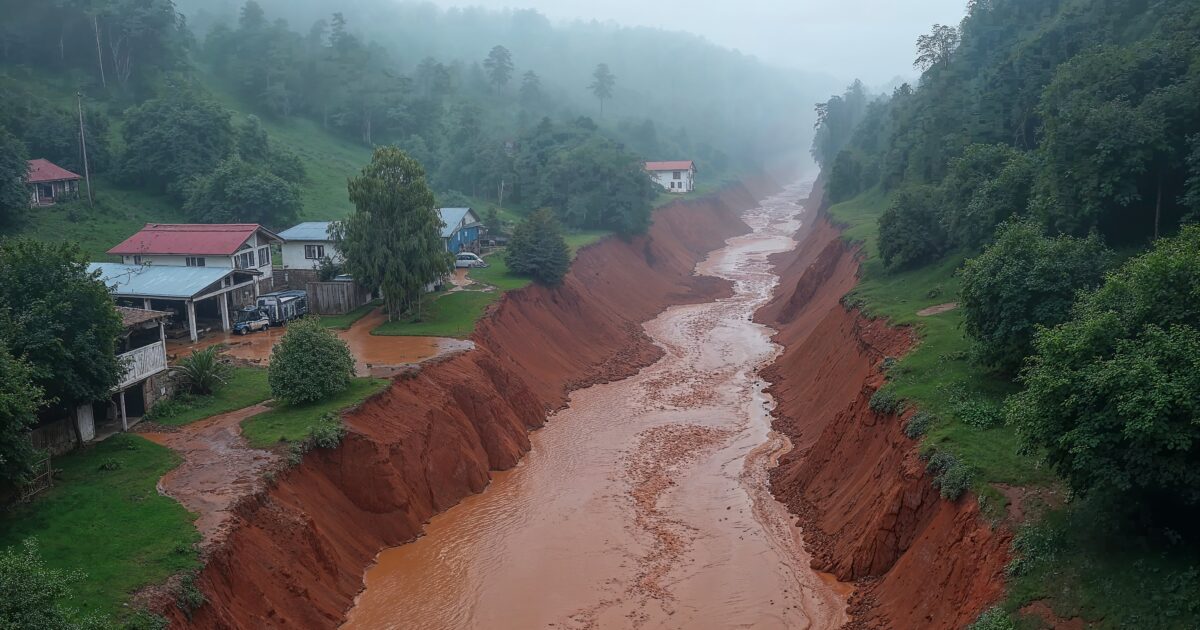
The monsoon has caused flooding and infrastructure damage across several states, with casualties, evacuations and disruption to essential services reported.
In Assam, around 72,000 people across 13 districts have been affected, with one flood-related fatality reported in Dhemaji. Rising water levels in rivers, including the Brahmaputra, Disang, Simen, Kemi, Chille and Jiadhal, have inundated low-lying areas and damaged roads and bridges.
Arunachal Pradesh is also experiencing a severe flood emergency. As of 2 July, more than 90,000 people across 251 villages in all 28 districts had been affected, with four fatalities reported.
These conditions may continue to affect transportation and access to affected communities while rescue, relief and infrastructure restoration operations remain underway.
Which areas in Northeast India are most affected by floods and landslides?
The level of disruption varies by state, but vulnerable road corridors, hilly districts and low-lying river basins require particular attention.
- Assam: Dhemaji, Lakhimpur, Dibrugarh, Golaghat, Chirang, Biswanath, Nalbari, Kokrajhar, Sonitpur, Jorhat, Majuli, Sivasagar and Tinsukia.
- Arunachal Pradesh: Upper Subansiri, Lower Subansiri, Papum Pare, East Kameng, West Kameng, Itanagar and Dibang Valley.
- Meghalaya: East Khasi Hills, West Jaintia Hills, Ri-Bhoi and East Jaintia Hills. A major landslide has cut off the Shillong–Dawki road.
- Sikkim: North Sikkim, including Dzongu, Chungthang, Lachen, Lachung and Mangan, as well as Gangtok and Pakyong.
- Other states: Hilly districts in Nagaland, Manipur and Mizoram remain vulnerable to landslides and flash floods, while low-lying areas in Tripura face localised flooding and waterlogging risks.
Businesses operating in or travelling through these areas should account for possible route closures and delays.
How could Northeast India floods and landslides affect businesses and travel?
Transport and accessibility are likely to remain key concerns. Flooding, landslides and debris accumulation may cause intermittent road closures, traffic restrictions and slower journeys. Restoration efforts may also be delayed if rainfall persists.
For businesses, these disruptions could affect employee attendance, site access, supply chains, delivery schedules and field operations. Organisations dependent on road transport across hilly terrain or flood-prone river basins may face additional uncertainty when planning personnel and goods movement.
Localised damage to power poles and transmission lines could also cause electricity outages. Unsafe access conditions may delay repairs, potentially affecting business continuity and communications.
The Northeast India floods and landslides situation therefore requires organisations to monitor both immediate transport conditions and the wider availability of utilities and access routes.
How should businesses prepare for flooding and landslides in Northeast India?
Organisations should adopt flexible operational arrangements while monitoring official weather and disaster-management updates.
Recommended measures include:
- Enable flexible working: Consider remote work or adjusted schedules for employees in affected areas, particularly where commuting relies on vulnerable roads.
- Plan alternative routes: Identify alternatives where road connectivity is disrupted, and allow additional time for logistics and deliveries.
- Monitor official advisories: Follow updates from the India Meteorological Department (IMD) and relevant state disaster management authorities.
- Prepare for power disruptions: Maintain backup power and communications arrangements where operations may be affected by localised utility outages.
- Review field activities: Reassess travel and on-site work schedules when heavy rainfall, movement restrictions or unsafe access conditions are anticipated.
As rainfall continues, organisations should be prepared to adjust schedules and operational priorities in response to changing local conditions.
FAQs
1. Which states are most affected by flooding in Northeast India?
Assam and Arunachal Pradesh are among the worst-affected states in the 3 July 2026 advisory. Meghalaya and Sikkim have also experienced significant road disruptions linked to landslides and flash floods.
2. How can floods and landslides disrupt business operations?
They can interrupt road connectivity, delay employee commutes and deliveries, restrict site access, and cause localised power and communications disruptions.
3. What should businesses monitor during the ongoing monsoon?
Businesses should monitor IMD forecasts, state disaster management advisories, road closures, restoration updates and the operational status of essential utilities.
Download the full advisory now
For detailed information on affected districts, transport disruptions and recommended business continuity measures, download the full MitKat Risk Flash advisory on the flood and landslide situation in Northeast India.
Filed under: India-South AsiaRegional Risk Reviews