When is the Nepal General Election 2026 and why is it happening now?
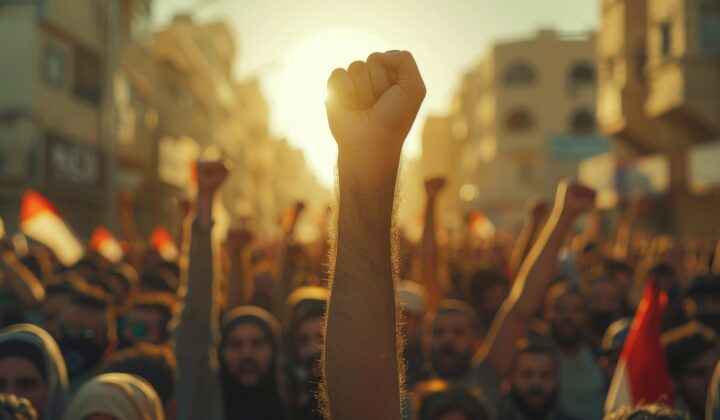
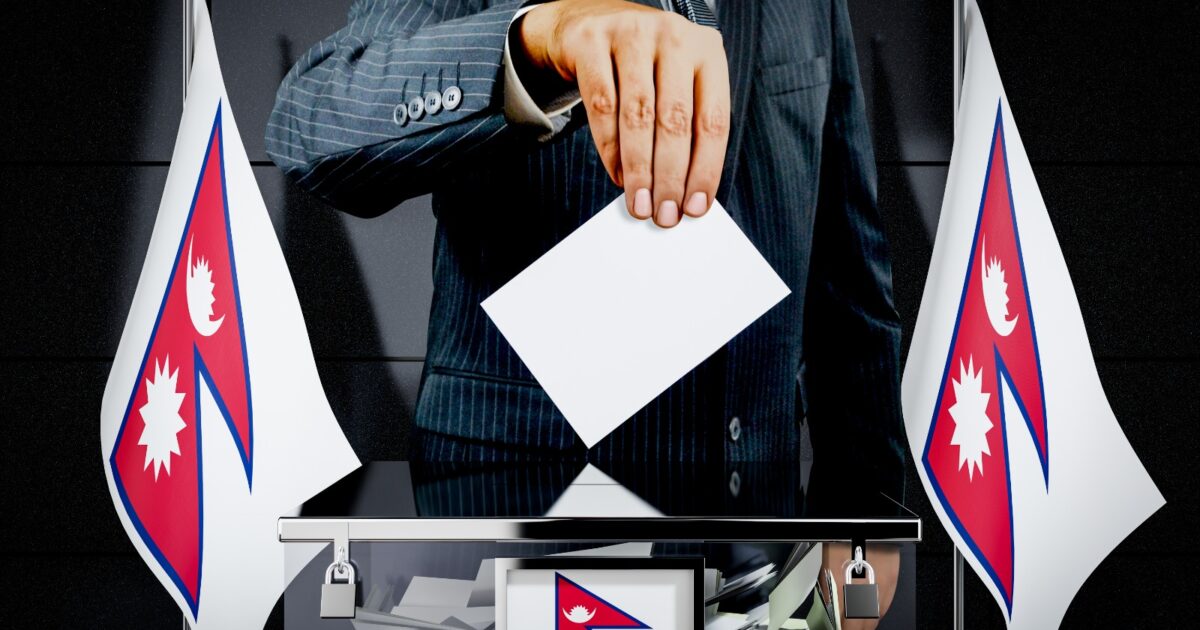
Nepal’s House of Representatives election is scheduled for 5 March 2026, contesting all 275 lower house seats — 165 under first-past-the-post and 110 through proportional representation — among approximately 18.9 million registered voters. The snap poll follows a constitutional crisis: Prime Minister K.P. Oli resigned on 9 September 2025 amid violent youth-led protests, after which President Ramchandra Paudel dissolved parliament on 12 September 2025 and appointed Chief Justice Sushila Karki as interim Prime Minister, a move that triggered legal debate since Karki was not a sitting MP. The Supreme Court declined to halt the electoral process, and roughly 320,000 police and military personnel have been deployed nationwide to secure the vote.
Who are the key parties and candidates in Nepal’s 2026 election?
The Nepali Congress under Gagan Kumar Thapa and the CPN-UML under KP Sharma Oli continue negotiating a broad electoral alliance, alongside Maoist Centre leader Pushpa Kamal Dahal “Prachanda”. The Rastriya Swatantra Party, formed in 2022, is contesting independently with former Kathmandu Mayor Balendra “Balen” Shah as its prime ministerial candidate, positioning itself as a reform-oriented alternative targeting urban and younger voters energised by the 2025 protests. The Rastriya Prajatantra Party, which merged its factions in January 2026, advocates monarchism and Hindu-state restoration but has not declared a prime ministerial candidate. Roughly 121 parties have filed candidates for constituency races, a sharp rise from previous cycles, alongside high incumbent turnover.
What are the key issues shaping Nepal’s 2026 election?
Nepal’s economy has decelerated amid political uncertainty, with real GDP growth projected at approximately 2 percent for FY2025/26 and inflation down to multi-decade lows near 1.1 percent. Youth unemployment stands at an estimated 20-21 percent, driving sustained outmigration — remittances now account for roughly 26 percent of GDP. Governance credibility and corruption remain central concerns following youth-led protests that criticised elite privilege, while roughly 4.7 million Nepali citizens working abroad remain unable to vote despite constitutional guarantees of universal suffrage. Pre-election security has also been tested by communal unrest, including curfews imposed in Birgunj in January and again in February 2026 following religiously linked riots.
What outcome is most likely, and how might it affect the region?
A fragmented parliament leading to a coalition government is assessed as the most likely outcome, which would mean extended coalition negotiations and short-term administrative inefficiencies but likely policy continuity. A dominant-party-anchored coalition led by CPN-UML or the Nepali Congress is moderately likely and would offer somewhat greater policy coherence, while a decisive majority government is considered least likely. For India, Nepal’s largest trade partner accounting for 66 percent of its merchandise trade and 100 percent of its petroleum supply, election-cycle instability could introduce short-term procedural delays for cross-border energy, infrastructure and investment projects, along with possible disruption at transit hubs such as Birgunj, Bhairahawa and Jogbani during periods of political mobilisation.
What does the election mean for businesses in Nepal?
The 2026 outcome will shape Nepal’s medium-term policy trajectory on fiscal reform, foreign investment regulation, hydropower development and labour market reform. Investor confidence will depend closely on the durability of the incoming coalition: a clear governance mandate could support capital inflows and infrastructure acceleration, while prolonged political bargaining could defer investment decisions and delay structural reforms. Overall, Nepal’s operating environment is assessed as low to moderate risk, with the medium-term trajectory contingent on political cohesion and institutional execution capacity following government formation.
Frequently asked questions
When is Nepal’s 2026 general election?
Nepal’s House of Representatives election is scheduled for 5 March 2026.
Why was Nepal’s parliament dissolved?
Parliament was dissolved on 12 September 2025 following PM K.P. Oli’s resignation amid mass youth-led protests, after which an interim government led by Chief Justice Sushila Karki was appointed.
Who is Nepal’s most talked-about new-party candidate?
Balendra “Balen” Shah, the former Mayor of Kathmandu, is the Rastriya Swatantra Party’s prime ministerial candidate and a leading reform-oriented figure among younger voters.
What is the most likely election outcome?
A fragmented parliament leading to a coalition government is assessed as the most likely outcome, ahead of a dominant-party-anchored coalition or a decisive majority.
Download the full report now
MitKat’s Special Report on the Nepal General Election 2026 carries the complete party and candidate breakdown, historical vote-share trends, probable outcome scenarios, and a full impact assessment for businesses in India and Nepal. Download the full report now to brief your market-risk and government-affairs teams
Filed under: APACThreat Intelligence Special Reports