What is Navratri, Dussehra and Durga Puja 2026?
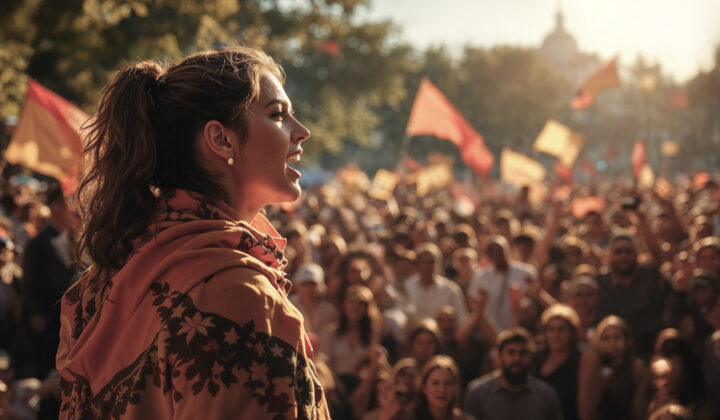
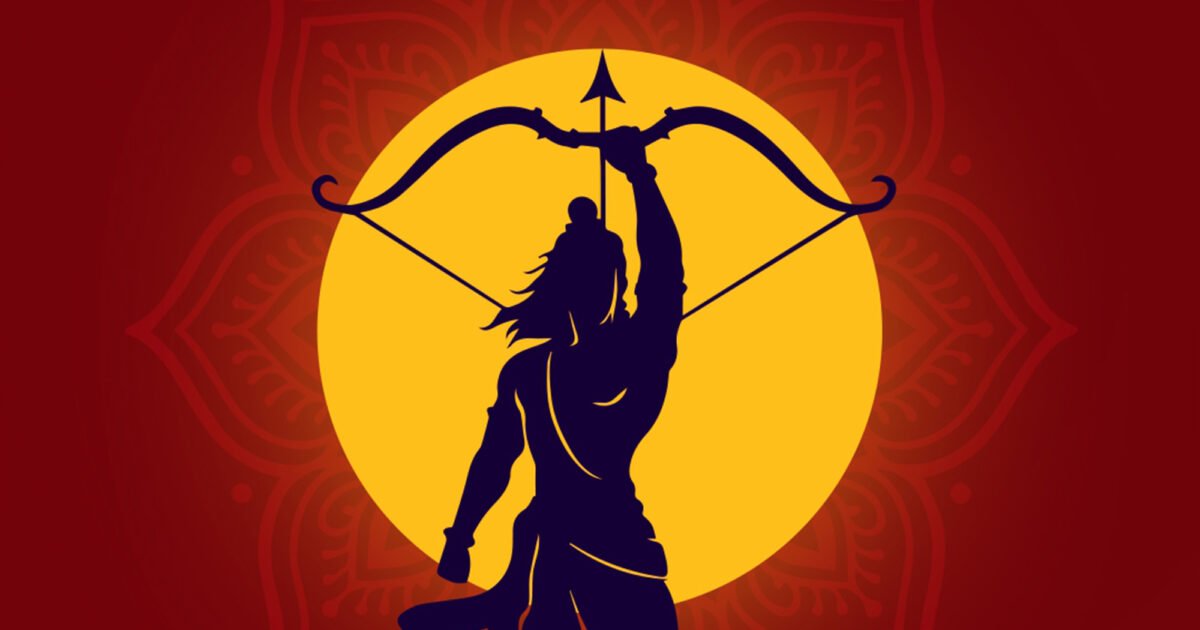
Navratri, Dussehra and Durga Puja 2026 comprise India’s major autumn festival period. Sharad Navratri is being observed through 20 October 2026, with nine nights of worship, cultural programmes, Garba and Dandiya events, and temple visits. Dussehra, also known as Vijayadashami or Dasara, will be observed on 20 October 2026, marking the victory of good over evil with Ramlila performances and the burning of Ravana effigies. Durga Puja will be celebrated principally from 17–21 October 2026, culminating in Vijaya Dashami and idol-immersion activities. Major cities hosting celebrations include Ahmedabad, Mumbai, Thane, Bengaluru, Hyderabad, Delhi and Kolkata.
Which cities and areas are most affected?
Delhi: Red Fort, Netaji Subhash Marg, Jhandewalan Mandir, Daryaganj, Kalkaji Mandi, Rajghat, Ramlila Maidan, Panchkuian Marg, Ajmal Khan Park. Mumbai: Shivaji Park (Dadar), Khar, Goregaon West, Lower Parel, Powai, Juhu, Andheri West, Chembur, Kandivali East, Borivali, Gokhale Road, Senapati Bapat Marg, Tembhi Chowk, Bhawani Chowk, Mulund, Express Highway, Saket Road. Thane: Thane Railway Station, Veer Savarkar Road, Kalwe Bridge, Gadkari Circle, Tower Naka, Media Chowk, Nitin Signal, Dagdi Shala Chowk. Kalyan: Durgamata Temple, Nevali Naka, Durgadi Fort, Kongaon, Savda Naka, Abharwadi Chowk, Patripool, Shriram Chowk, Bhiwandi, Kolsewadi, Taloja Bypass. Navi Mumbai: Panchratna Chowk, Kharegaon Toll Naka, Koparkhairane, Uran Naka, Airoli, Karnala Vegetable Market Circle, Khargar Tapal Naka, Belapur, Karmaveer Bhaurao Patil Chowk. Bengaluru: Palace Grounds, Jayamahal, Hebbal, Ulsoor, Nandini Layout, Whitefield, Kadugodi, Thanisandra, JP Nagar, Koramangala. Mangaluru: Kulur Ferry Road, Car Street, Balaji Junction, New Chitra Junction, Alake Bridge, Durga Mahal Junction, Mannagudda Junction. Hyderabad: NH-65 (Hyderabad–Vijayawada Highway), Choutuppal town, Lakkaram, Dharmojigudem. Kolkata: North Kolkata, Sealdah, Central Kolkata, Park Circus, South and South East Kolkata, Gariahat, South West Kolkata, Kalighat, Behala, Shyambazar, Tollygunge, Hatibagan, Garia. Ahmedabad: SG Highway, Sardar Patel Ring Road, Sindhu Bhavan Road, Bopal, Ambli Approach Road, Vaishnodevi Junction, Pakwan Crossroads, Karnavati Club Crossing, Nana Chiloda Circle, Narol-Aslali Highway, Narol-Vishala Road, Visat Circle, Sola Bridge.
What are the key traffic restrictions?
Delhi: Diversions on Panchkuian Road, Rani Jhansi Road and Ajmeri Gate from 12–20 October, 1700–0000 hours, for heavy vehicles, DTC buses and commercial vehicles. Mumbai: No-parking zones around Dadar, Shivaji Park, and potential HGV bans on major roads and logistics corridors. Thane: Restrictions from 11–20 October, 1600 hours–midnight, around Tembhi Naka and Bhawani Chowk; luxury buses diverted via Express Highway, Golden Dyes Naka, Saket Cut, Saket Road, new Kalwa Bridge and Kalwa Naka. Kalyan: Heavy vehicles, six-wheelers, multi-axle vehicles and private/government buses restricted from 11–20 October at six of seven entry points. Navi Mumbai: Diversions in Panvel from 09–11 October and 17–20 October; heavy restrictions around Karnala Circle and Karnala Vegetable Market. Bengaluru: Vehicular movement restricted from Trilight Junction to Maurya Junction and Shivananda Junction to Maurya Junction; heavy vehicles restricted near Grand Castle, Palace Grounds, Gate 6. Mangaluru: Heavy traffic expected around Sri Gokarnanatheshwara Temple, Kudroli from 13–21 October, 1600 hours. Hyderabad: Restrictions around Lower Tank Bund, Iqbal Minar, Nallagutta Bridge and Necklace Road during peak evening hours. Kolkata: Citywide goods-vehicle ban from 13–20 October (0600–0800 hours until 0001–0400 hours); immersion restrictions from 21–24 October; Kalighat Temple zone closed to wheeled traffic on 19 and 21 October. Ahmedabad: Heavy-vehicle restrictions from 11–21 October; goods vehicles and tractor-trolleys cannot enter between 0800–2300 hours; goods vehicles over 7,500 kg prohibited from 0800–0200 hours.
What are the business continuity risks?
Businesses face traffic congestion and road closures delaying commuting, deliveries and access to premises. Crowd congestion around pandals, temples and celebration grounds may impede movement and emergency evacuation. Public safety and security risks include theft, harassment and unattended objects. Transport and logistics disruption from heavy-vehicle restrictions, road diversions and limited delivery windows may disrupt freight movement and last-mile distribution. Public transport disruption from bus diversions, temporary stops and increased passenger volumes may affect employee and customer mobility. Fire and electrical hazards from temporary structures, decorative lighting and fireworks may increase risk of fire or injury. Medical and emergency access may be delayed by congested roads and blocked approaches. Business continuity disruption from restricted access, delayed employee commutes and reduced delivery efficiency may affect staffing and operations. Women’s safety and personal security may be affected by crowded venues and late-evening travel.
What should organisations and individuals do to prepare?
Organisations should monitor official police and municipal advisories, map offices and warehouses against notified closures and procession routes, adjust delivery schedules, introduce flexible start times or remote work, maintain emergency access and fire-safety equipment, review crowd-management and evacuation procedures, coordinate with building management and local authorities, assess essential supplies and arrange contingency stock, communicate operational changes to employees and contractors, and review security and transport arrangements during each festival phase. Individuals should check local traffic advisories, avoid restricted roads and procession routes, use public transport or authorised alternative routes, carry valid identification, keep mobile phones charged, share travel plans, identify nearest exits at crowded venues, avoid overcrowded areas and barricades, remain alert to suspicious activity, and exercise caution during late-evening travel.
Frequently asked questions
When is Dussehra 2026?
Dussehra will be observed on 20 October 2026.
When is Durga Puja 2026?
Durga Puja will be celebrated principally from 17–21 October 2026.
What are the emergency contact numbers?
Police: 100/112; Fire: 101; Ambulance: 102/108. City-specific traffic helplines are available for Mumbai, Delhi, Bengaluru, Mangaluru, Hyderabad, Kolkata and Ahmedabad.
Download the full advisory now
MitKat’s Special Advisory on Navratri, Dussehra and Durga Puja 2026 carries the complete city-wise traffic restrictions, affected areas and emergency contacts. Download the full advisory now to brief your travel and continuity teams.
Filed under: India-South AsiaThreat Intelligence Special Reports