KEY TAKEAWAYS:
- The Tribal Unity Council’s three-day, 35-kilometre march runs 11-13 September, starting at Sanjay Gandhi National Park and concluding at Raj Bhavan on World Tribal Rights Day.
- The route passes through Borivali, Aarey, Western Express Highway and Kherwadi in Bandra East before reaching Raj Bhavan on 13 September.
- Major corridors including the Western Express Highway (NH-48), New Link Road, JVLR, Milan Bridge and the Bandra-Worli Sea Link are likely to see disruption, particularly during morning and evening rush hour.
- Localised delays are expected around Mumbai’s rail network, CSMIA, Juhu Airport and Navi Mumbai International Airport, though no nationwide suspension of transport services has been announced.
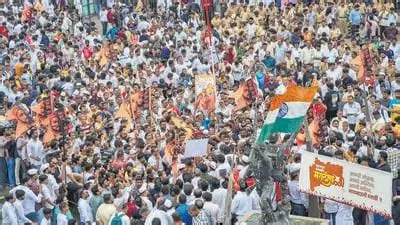
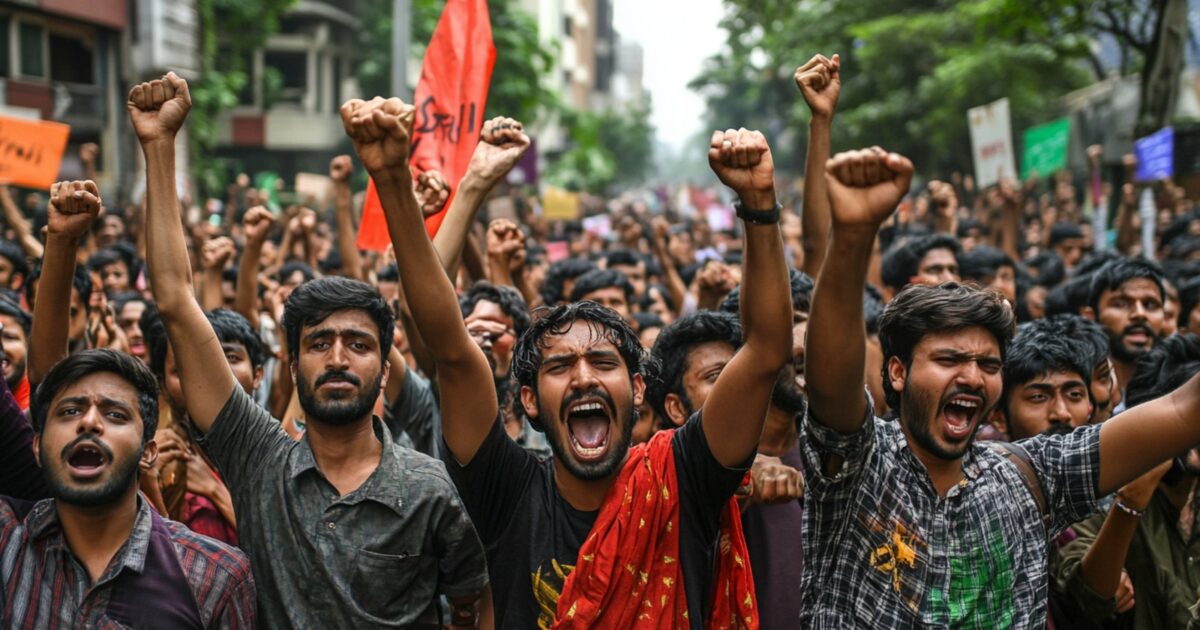
The Mumbai tribal protest march September 2026 is a three-day, 35-kilometre demonstration organised by the Tribal Unity Council, bringing together tribals from Mumbai, Thane and Palghar. The march begins on 11 September at Sanjay Gandhi National Park and concludes at Raj Bhavan on 13 September, World Tribal Rights Day, protesting the lack of basic facilities for tribal villages and calling for approval of forest rights claims under the Forest Rights Act 2006.
What is the march route day by day?
The march commences at 1330 hours on 11 September at Sanjay Gandhi National Park in Borivali, reaching Aarey the same night via the Western Express Highway, where it halts for the day. On 12 September, marchers leave Aarey in the morning and reach Kherwadi in Bandra East by night, halting under the Kherwadi Flyover. On 13 September, the march leaves Kherwadi in the morning and reaches Raj Bhavan by afternoon.
Which areas will see the highest protest activity?
High protest activity is expected near Sanjay Gandhi National Park in Borivali, along the Western Express Highway, in Aarey, and around the Kherwadi Flyover and adjoining parts of Bandra East, as well as the Adivasi Raj Bhavan area. Forest areas including Yeoor and large parts of Aarey Jungle are also likely to see heavy footfall. Day-specific disruption is expected near Kandivali East and Malad East on 11 September, Jogeshwari East and areas near Mumbai’s domestic airport on 12 September, and Kalanagar Flyover, Dadar West, Byculla and Azad Maidan on 13 September.
Which roads and transit corridors are affected?
Major transport corridors likely to face disruption include the Western Express Highway (NH-48), Swami Vivekananda Road, New Link Road, JVLR Link Road, Andheri-Ghatkopar Link Road, Milan Bridge, Santacruz-Chembur Link Road, the Bandra-Worli Sea Link, Eastern Express Highway, Lady Jamshedji Road and Senapati Bapat Marg, particularly during morning and evening rush hour. Enhanced police deployment, barricading and traffic diversions are expected around protest sites, and railway stations from Borivali to Chhatrapati Shivaji Maharaj Terminus may see localised disruption from delayed commuter movement.
Will airports and business operations be affected?
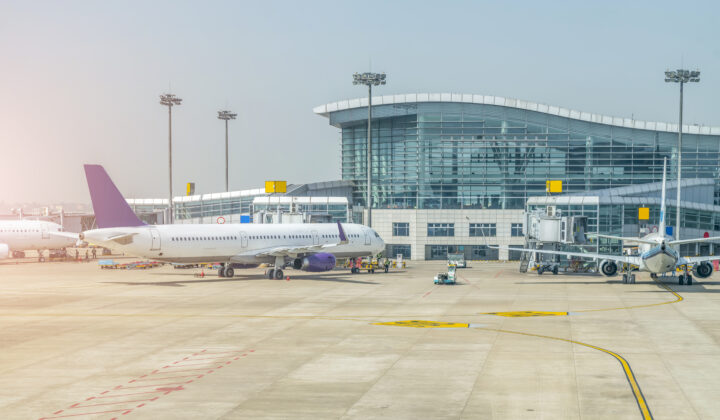
Chhatrapati Shivaji Maharaj International Airport, Juhu Airport and Navi Mumbai International Airport may see landside access delays due to traffic congestion around protest sites, though no nationwide suspension of rail or air services has been announced. Commercial activity around forest areas, markets, industrial estates, IT parks, government offices and retail hubs proximal to NH-48 may face localised access restrictions, reduced staffing and disruption to supply chains and last-mile deliveries.
What should organisations do?
Businesses should monitor updates from Mumbai Traffic Police and local authorities for confirmed protest locations and transport advisories, review business continuity, employee travel and logistics plans, and allow additional transit time for personnel, freight and critical deliveries in affected areas. Maintaining regular communication with employees, transport providers and supply-chain partners is advised to assess operational impacts as the march progresses.
Frequently asked questions
When does the Mumbai tribal protest march start and end?
It runs from 11 September, starting at Sanjay Gandhi National Park, to 13 September, concluding at Raj Bhavan on World Tribal Rights Day.
Will Mumbai’s local trains or airports be suspended?
No nationwide suspension has been announced; localised delays are possible near affected stations and around airport access roads.
Which roads should commuters avoid during the march?
The Western Express Highway, New Link Road, JVLR, Milan Bridge and the Bandra-Worli Sea Link are among the corridors most likely to see disruption.
Download the full risk flash now
MitKat’s Risk Flash on the Mumbai tribal protest march carries the full three-day route map, a day-by-day breakdown of affected areas, and detailed recommendations for businesses on road, rail and airport connectivity. Download the full risk flash now to brief your travel and logistics teams.
Filed under: India-South AsiaRegional Risk Reviews