What are the key developments in the Middle East escalations in June 2026?
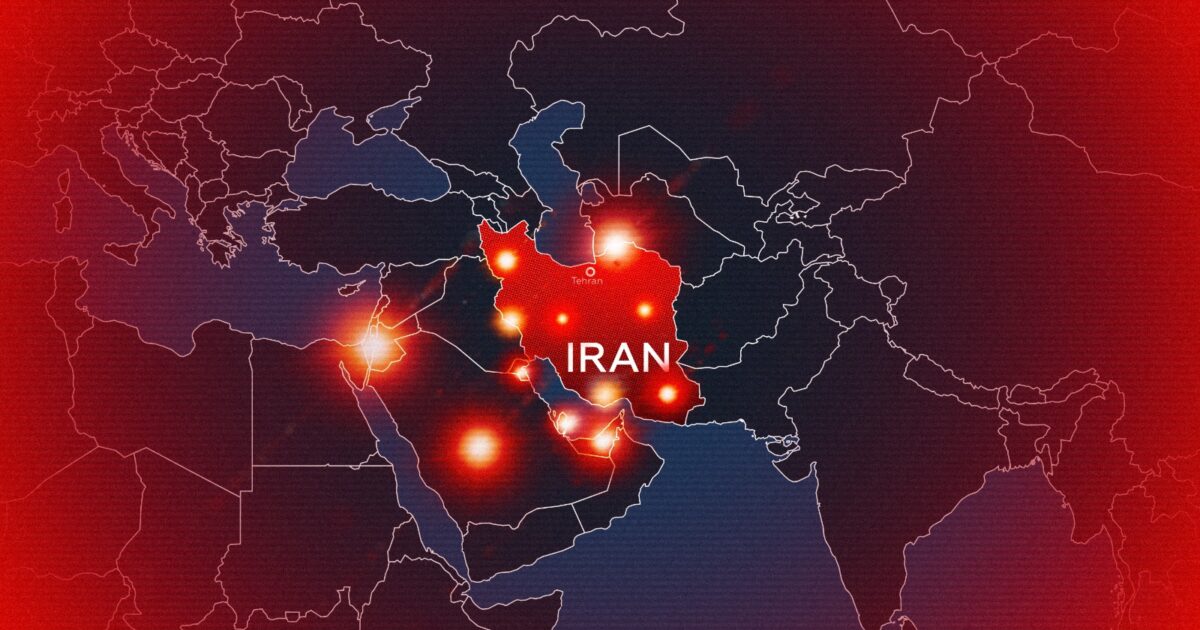
On 11 June, Iran announced the closure of the Strait of Hormuz and warned that vessels attempting passage could be targeted. US forces shot down two Iranian one-way attack drones near the Strait. Iranian officials reported strikes on US-linked military facilities in Bahrain, Kuwait, and Jordan, with Jordan intercepting 20 missiles. Kuwait temporarily closed its airspace after an Iranian attack damaged radar infrastructure at Kuwait International Airport. On 10 June, US forces struck around 20 targets in southern Iran, including air defences and surveillance radar sites, in response to the downing of a US Apache helicopter. The IRGC claimed drone and missile attacks against US-linked facilities in Bahrain and Jordan, while Israeli air raids continued across Lebanon. On 09 June, an Iranian drone downed a US Army AH-64 Apache helicopter near Oman. On 07 June, Iran launched missile attacks in response to Israeli actions, and the US intercepted two Iranian drones near the Strait of Hormuz. Iraq temporarily closed its airspace and suspended operations at Baghdad International Airport.
Which countries and regions are most affected?
The affected countries include Iran, Israel, Lebanon, Jordan, Kuwait, Bahrain, Iraq, and Gulf coastal areas. The Strait of Hormuz, Red Sea, Gulf of Aden, and Bab el-Mandeb are key maritime chokepoints facing heightened risks. Airspace closures affected Iraq and Kuwait, with temporary Iranian flight restrictions and airline suspensions to Tel Aviv. Wizz Air suspended Tel Aviv flights, Air Canada extended suspensions to Tel Aviv and Dubai. Jordan issued security alerts.
What are the impacts on logistics, aviation, and energy markets?
Regional connectivity faced disruption due to temporary airspace closures, flight suspensions, heightened military activity, and security alerts. Continued uncertainty may lead to longer transit times, higher logistics costs, and increased reliance on secondary routes. Maritime restrictions and threats increased risks for commercial shipping, with higher insurance costs, escorts, delays, and rerouting likely. Energy markets may remain volatile due to strikes and threats involving petrochemical sites in Haifa and Mahshahr, along with maritime restrictions near the Strait of Hormuz. Corporate operations face increased duty-of-care and site security needs. Financial markets may remain volatile, especially in energy, aviation, shipping, insurance, and Gulf-linked assets. Cyber risks are elevated, with potential phishing, DDoS, and data leak threats targeting energy, aviation, maritime, government, and financial sectors.
What should organisations and individuals do to prepare?
Personnel in Israel, Jordan, Bahrain, Kuwait, Lebanon, Iraq, and Gulf coastal areas should remain indoors during alerts and identify the nearest hardened shelter or designated safe room. Suspend non-essential travel and departure attempts through affected regional airports until airspace closures, NOTAMs, and airline advisories are lifted. Avoid routing personnel or cargo through the Strait of Hormuz, Red Sea, Gulf of Aden, and Bab el-Mandeb unless movement is cleared by verified maritime and local security teams. Monitor official alerts from civil aviation, port authorities, embassies, and local security agencies before approving staff movement, vessel transit, or cargo dispatch. Increase cyber monitoring and harden defences against phishing, DDoS, data leaks, and disruptive activity targeting energy, aviation, maritime, government, and financial systems.
Frequently asked questions
When did Iran close the Strait of Hormuz in 2026?
Iran announced the closure of the Strait of Hormuz on 11 June 2026 and warned that vessels attempting passage could be targeted.
Which countries closed their airspace during the June 2026 escalations?
Kuwait temporarily closed its airspace after radar infrastructure at Kuwait International Airport was damaged. Iraq also closed its airspace and suspended operations at Baghdad International Airport.
What are the emergency contact numbers for the Middle East?
Emergency numbers vary by country. In Kuwait: 112. In Jordan: 911. In Lebanon: 112. In Israel: 100 (Police), 101 (Ambulance), 102 (Fire). In Bahrain: 999. In Iraq: 104 (Police), 122 (Ambulance).
Download the full advisory now
datasurfr’s Risk Flash on the Middle East escalations carries the complete update, the full business impact matrix, and a detailed contacts directory. Download the full advisory now to brief your travel and continuity teams.
Filed under: EMEARegional Risk Reviews