When is the Formula 1 Miami Grand Prix and what is the schedule?
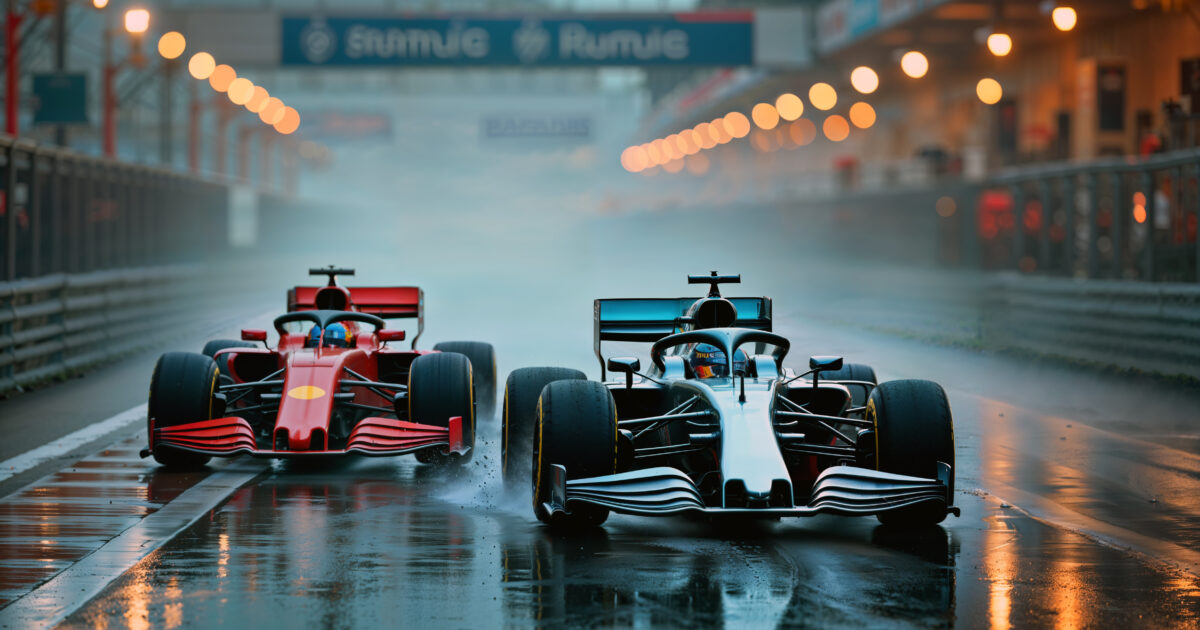
The Formula 1 Miami Grand Prix is scheduled between 1 and 3 May at the Miami International Autodrome, built around Hard Rock Stadium in Miami Gardens. Formula 1 is an international single-seater motor racing championship governed by the Fédération Internationale de l’Automobile (FIA), with races across a global calendar known as Grands Prix. The Miami Grand Prix 2026 weekend opens with Practice one on 1 May from 1430 to 1530 hours and Practice two from 1800 to 1900 hours local time. On 2 May, Practice three runs from 1330 to 1430 hours and Qualifying from 1700 to 1800 hours. The Final Race starts at 1530 hours local time on 3 May, which is 1930 hours UTC. Large crowds are expected throughout, with multi-agency security, extensive road closures and transport restrictions in effect across Miami-Dade County.
Which roads and access routes will be affected around Hard Rock Stadium?
Hard Rock Stadium is the primary venue, and the main ingress and egress routes are expected to see peak congestion and controlled diversions for the whole event period. These are the Florida Turnpike at Exit 2X (Northwest 199th Street), Interstate 95, SR 826 (the Palmetto Expressway), Northwest 199th Street (Dan Marino Boulevard) and Northwest 27th Avenue. Police-controlled access zones and restricted vehicular entry are anticipated in areas surrounding the stadium. Designated rideshare and shuttle-only corridors are expected to be enforced, and informal drop-offs will be restricted. No-parking enforcement zones with active towing operations are likely in surrounding areas, which will limit access for employees and customers of nearby businesses. Last-mile connectivity near the stadium is expected to be difficult because of road closures, restricted access zones and pedestrian-heavy corridors.
What security measures should visitors and businesses expect?
A multi-layered security deployment is expected, involving local police, federal agencies and private security. Attendees should expect mandatory screening and strict enforcement of a clear-bag policy at entry points. A Temporary Flight Restriction will establish a no-fly zone in which drones are prohibited, while extensive CCTV surveillance and counter-UAS systems will be operational. A restricted clean zone will limit unauthorised commercial activity and vehicle access around the venue. Increased patrols are anticipated because of elevated petty crime risks and prior non-credible threat alerts, which means the posture is precautionary rather than a response to a confirmed threat. Businesses near the stadium should expect checkpoints and heavier police presence than usual and should brief staff accordingly. Network congestion from high user density may also affect communications and digital transactions.
What are the business impacts of the Miami Grand Prix 2026?
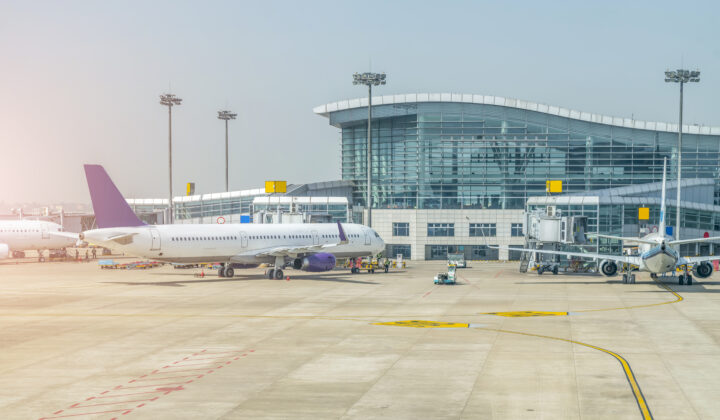
Severe congestion across the Florida Turnpike, I-95 and SR 826 is expected to disrupt employee commute timings and corporate mobility planning. Flight schedules are likely to be affected by congestion at Miami International Airport (MIA) and Fort Lauderdale (FLL), with delays and rescheduling anticipated, so travellers and freight movements tied to either airport should allow extra time. Temporary communication network congestion is expected because of high user density, potentially affecting business communications and card or mobile payments. The risk of opportunistic crimes such as fraud and theft is anticipated to rise in high-footfall commercial areas, and parking restrictions and towing enforcement may limit accessibility for staff and customers in affected zones. The overall effect of the Miami Grand Prix 2026 is a short, event-driven disruption concentrated around the stadium corridors and the airports, rather than a sustained county-wide shutdown. Planning should focus on the three event days, and especially on the session windows when arrivals and departures peak.
What should companies and commuters do to prepare?
Commuters should take cognizance of the scheduled closures, account for possible travel delays and avoid non-essential travel near Hard Rock Stadium and the surrounding corridors during event hours. Companies operating in high-footfall areas should strengthen on-site security to reduce the risk of theft and fraud, and businesses should brief employees on security protocols, crowd awareness and emergency response procedures. Security awareness should be reinforced because of the large crowds. For live updates, monitor the Formula 1 Miami Grand Prix official site, Miami-Dade County alerts, Florida 511 traffic updates and the National Weather Service in Miami. Staggered shifts or remote work on race days, and earlier deliveries outside the session windows, are practical ways to reduce exposure. Teams should also confirm alternative access for any site that relies on a single route near the stadium, and remind staff that informal drop-offs are restricted, so rideshare pick-ups should use the designated corridors.
Frequently asked questions
What time is the Miami Grand Prix race on 3 May 2026?
The Final Race starts at 1530 hours Miami local time on 3 May, which is 1930 hours UTC.
Are drones allowed near Hard Rock Stadium during the Miami Grand Prix?
No. A Temporary Flight Restriction establishes a no-fly zone in which drones are prohibited, and counter-UAS systems are expected to be operational.
What are the emergency contact numbers for Miami-Dade County?
Emergency Services (Police, Fire, Medical): 911. Miami-Dade Police non-emergency: +1 305-476-5423. Miami-Dade County Information: 311. Hard Rock Stadium Operations: +1 305-943-8000.
Download the full Risk Flash now
datasurfr’s Risk Flash on the Miami Grand Prix 2026 carries the full session schedule, the map of anticipated affected locations and the complete list of recommendations and emergency contacts. Download the full Risk Flash now to brief your Florida operations and travel teams.
Filed under: AmericasRegional Risk Reviews