What are the main risks across India and South Asia in March 2026?
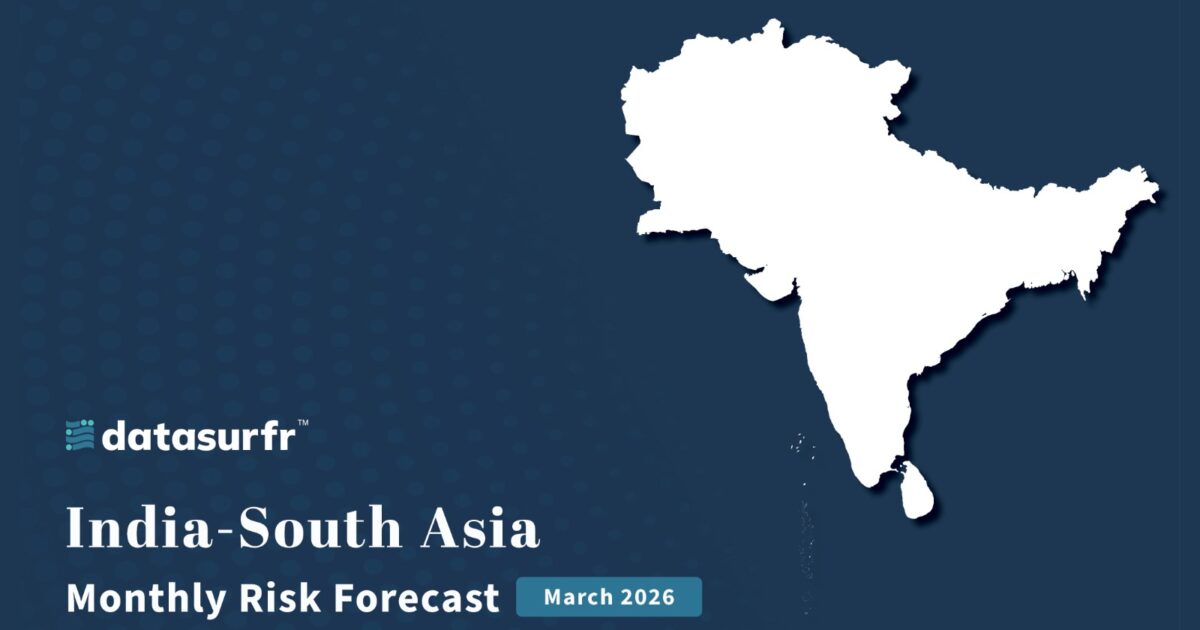
March 2026 features a convergence of religious observances, political mobilisation, elections and security operations. In India, Holi on 4 March, Gudi Padwa and Ugadi around 19 March, Ram Navami on 26 March and Mahavir Jayanti on 31 March are likely to increase travel and crowd density around major urban centres, temples and public procession routes. Eid al-Fitr is expected around 19 March, subject to the moon sighting, and may affect working hours, transport demand and commercial schedules across the region. These events are expected to produce localized, date-specific disruption rather than a uniform nationwide shutdown.
Where could protests and political activity disrupt business operations in India?
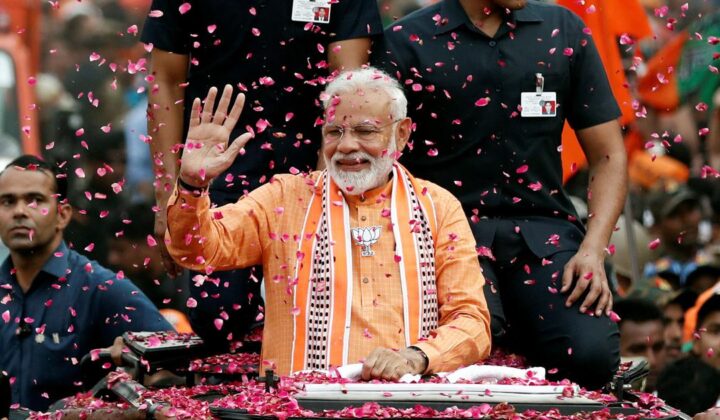
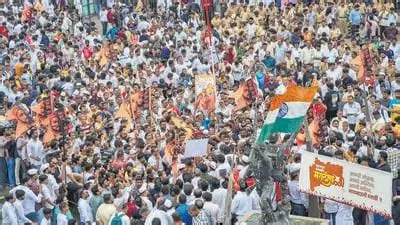
Farmers’ groups and political organisations are expected to mobilise against the India-US trade agreement during March. Activities may include village-level meetings, state-level agitation and a proposed Delhi Chalo mobilisation, with activity particularly relevant to Punjab, Haryana, Rajasthan, Bihar and the Delhi-National Capital Region. Police may impose traffic restrictions, barricade Delhi entry points and adjoining state borders, or issue prohibitory orders. Blockades on major highways, including NH-44, and possible railway disruption could affect employee commutes, freight movements and just-in-time supply chains. Political campaigning is also expected to intensify in West Bengal, Assam, Kerala and Tamil Nadu ahead of assembly elections, increasing rallies, VIP movements and localized traffic controls.
What should organisations know about security operations and regional political events?
Anti-Naxal operations are expected to intensify in parts of the Chhattisgarh Bastar region ahead of the government’s stated 31 March deadline. Areas including Bijapur, Dantewada, Sukma and Narayanpur may experience security deployments, movement restrictions and localized evacuation activity. In Nepal, the general election scheduled for 5 March is likely to bring heightened campaigning, polling security and possible post-election coalition negotiations. Bangladesh’s Independence Day on 26 March and politically contested commemorations may prompt gatherings and security measures. Pakistan Day on 23 March is expected to involve ceremonies and access controls in Islamabad, while ongoing conflict and militant activity in Khyber Pakhtunkhwa and Balochistan may affect security conditions.
How could these developments affect travel and supply chains?
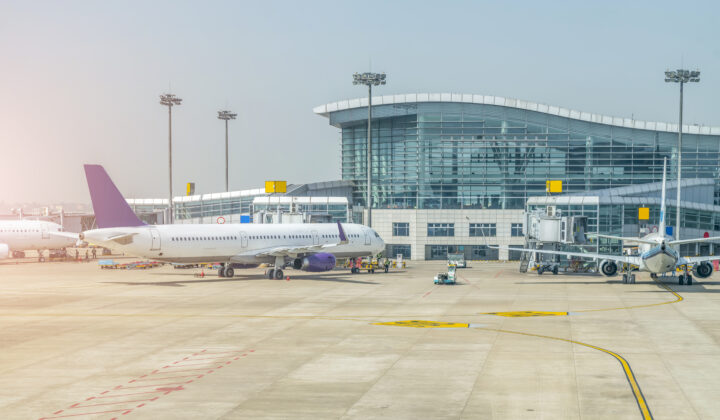
Peak travel around festivals is likely to place pressure on rail, road and air networks, pilgrimage destinations and metropolitan transport. Demonstrations and security operations may create sudden route closures, checkpoints, delays and restricted access to commercial facilities. Delhi-NCR and northern freight corridors are particularly exposed to farmer mobilisation, while major cities may see traffic congestion around processions and political rallies. Businesses with cross-border operations should monitor developments affecting Pakistan-Afghanistan movement and regional air and land connectivity. Disruptions are likely to vary by location and date, so local advisories should be checked before dispatching staff or cargo.
What should companies and travellers do to prepare?
Organisations should monitor local police and transport advisories, identify alternative routes, and build contingency time into staff travel, deliveries and field operations. Where feasible, schedule non-essential movement outside announced protest and procession windows, maintain contact with employees travelling through affected districts, and confirm that facilities retain emergency access. Supply-chain teams should review inventory buffers and communicate with carriers about potential highway or border delays. Travellers should verify routes before departure, avoid active protest areas and large crowds, and keep identification and emergency contacts accessible.
Frequently asked questions
What is the primary operational concern?
Localized and evolving disruption to movement, access and business schedules. Check current official advisories for the specific location and date.
Where can organisations find updates?
Use official government, police, embassy, transport operator and airline or carrier communications, supplemented by trusted risk intelligence.
What should businesses do first?
Account for personnel, review critical dependencies, establish communications and prepare practical alternatives for travel and logistics.
Download the full advisory now
MitKat’s full report contains additional event details, geographic context and operational considerations. Download the full advisory to brief travel, security and business continuity teams.
Filed under: India-South AsiaRegional Risk Reviews