KEY TAKEAWAYS:
- Bangladesh holds its first national elections and referendum since the 2024 uprising on 12 February, rated a Very High risk event amid deep polarisation and continued violence against minority communities.
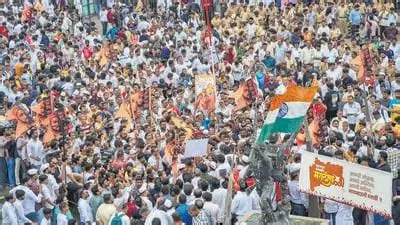
- Pakistan’s Tehreek-e-Insaf party has called a nationwide shutdown on 08 February, followed by student-led marches on 12 February. In India, central trade unions plan a nationwide general strike on 12 February, while protests against the MGNREGA repeal and the Special Intensive Revision of electoral rolls continue across poll-bound Kerala, Tamil Nadu, West Bengal and Assam.
- India hosts the AI Impact Summit in Delhi (19–20 February) and the International Fleet Review and naval events in Visakhapatnam (15–25 February), while India and Sri Lanka co-host the ICC T20 World Cup from 07 February to 08 March.
- Ramadan begins around 17 February, altering business hours and elevating sectarian-unrest risk across Pakistan, Bangladesh and parts of India. The month follows a volatile January that included Maharashtra Deputy CM Ajit Pawar’s death in a plane crash, J&K drone incursions, Manipur ethnic tensions, a Kabul restaurant bombing, and a Karachi mall fire that killed 79 people.
February 2026 is set to be a politically eventful month across India and South Asia, combining a pivotal Bangladeshi election, a called shutdown in Pakistan, a nationwide strike and sustained protest activity in India, and a cluster of major international events hosted in India. Businesses with operations across the region should expect elevated disruption risk to mobility, logistics, public services and business continuity, particularly in major urban centres and politically sensitive states.
Which elections and political flashpoints could disrupt business in February 2026?
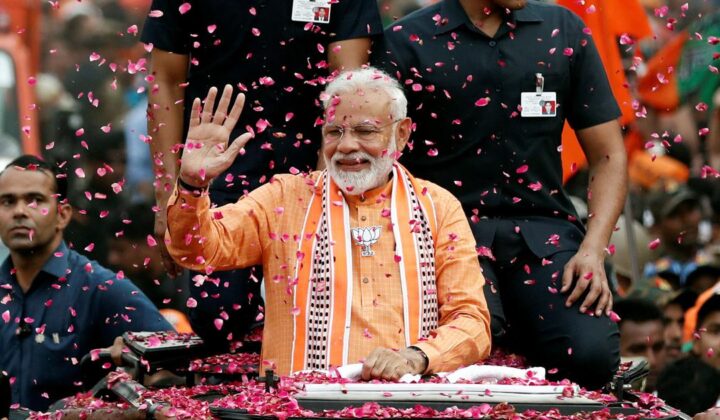
Bangladesh holds its National Parliamentary Elections and a referendum on 12 February — the first since the 2024 uprising — amid deep political polarisation, widespread security deployment, and recurring violence against minority communities; election-related rallies, shutdowns and clashes are likely to disrupt businesses and regional supply chains, with heightened spillover risk in Dhaka. In Pakistan, the Pakistan Tehreek-e-Insaf (PTI) party has called a nationwide shutdown on 08 February, followed by student-led marches on 12 February, with the likelihood of clashes between party workers and security and a potential restriction zone around Islamabad; expect temporary paralysis of commercial activity and transport disruption in Islamabad, Lahore, Karachi and parts of Punjab and Khyber Pakhtunkhwa. In India, central trade unions including INTUC and AITUC have called a nationwide general strike on 12 February over labour and economic policy, likely disrupting public transport, banking and government services in several urban and industrial hubs. Protests against the repeal of MGNREGA and its replacement with the Viksit Bharat – Guarantee for Rozgar and Ajeevika Mission (Gramin) Act, along with opposition to the Special Intensive Revision of electoral rolls, are expected to continue across poll-bound Kerala, Tamil Nadu, West Bengal and Assam, with Left parties launching statewide marches in Kerala on 01, 04 and 06 February ahead of the 2026 Assembly elections.
What major events is India hosting in February 2026?
New Delhi hosts the Artificial Intelligence (AI) Impact Summit on 19–20 February, drawing heads of state, senior industry executives and large international delegations, with elevated security protocols expected across the capital. Visakhapatnam hosts a major convergence of naval and maritime events from 15 to 25 February, including the International Fleet Review, Exercise MILAN and the Indian Ocean Naval Symposium, which is expected to significantly affect port operations, coastal movement, fishing activity and urban mobility as major naval fleets from multiple countries arrive and dock. India and Sri Lanka will also co-host the ICC T20 World Cup from 07 February to 08 March, bringing large spectator footfall and intermittent effects on urban mobility and air travel in host cities. In Maharashtra, Chhatrapati Shivaji Maharaj Jayanti on 19 February is one of the state’s most significant cultural observances and is likely to draw large-scale events.
How will Ramadan affect business operations across South Asia?
Ramadan is expected to commence around 17 February, altering business hours, workforce availability and demand patterns across South Asia, particularly in Pakistan, Bangladesh and parts of India. Religious gatherings will increase crowd density and security requirements, while the period is likely to bring a temporary increase in the risk of sectarian unrest in Pakistan and Bangladesh, and communal unrest in India, following communal flare-ups already reported in Hyderabad’s Old City area in mid-January.
What security risks are carrying over from January?
Jammu and Kashmir saw a rise in terrorism activity in January, including drone incursions and multiple encounters, leading to counter-terrorism operations and communication shutdowns that are likely to continue into February. In Manipur, renewed ethnic tensions between Meitei and Kuki-Zo groups raise the risk of further disruption across the Imphal Valley and hill districts. Maharashtra is adjusting to the political aftermath of Deputy Chief Minister Ajit Pawar’s death in a plane crash on 28 January, which is expected to influence the state’s political landscape and prompt realignments in the months ahead. Regionally, Afghanistan experienced a deadly IS-KP bombing at a Chinese-owned restaurant in Kabul on 19 January, prompting heightened Chinese travel and security advisories; Pakistan is managing the fallout of a Karachi mall fire that killed 79 people and exposed infrastructure gaps; and Nepal saw communal unrest in Birgunj disrupt cross-border trade routes critical for fuel and essential goods.
What should businesses do to prepare?
Organisations operating across India and South Asia should build contingency plans around the 08 and 12 February shutdown and strike dates, anticipate workforce and logistics disruption in poll-bound Indian states through the MGNREGA and SIR protest cycle, and monitor Bangladesh’s election period closely given its Very High risk rating. Firms with operations in Visakhapatnam or New Delhi should plan around the naval events and AI Impact Summit’s security footprints, and businesses across Pakistan, Bangladesh and India should adjust staffing and security planning for the Ramadan period from mid-February.
Frequently asked questions
Is Bangladesh holding elections in February 2026?
Yes. Bangladesh holds National Parliamentary Elections and a referendum on 12 February 2026, its first since the 2024 uprising, amid heightened political polarisation and security deployment.
What is the Pakistan Tehreek-e-Insaf shutdown planned for 08 February?
PTI has called a nationwide shutdown on 08 February, followed by student-led marches on 12 February, with disruption expected in Islamabad, Lahore, Karachi and parts of Punjab and Khyber Pakhtunkhwa.
Which Indian states are seeing protests over MGNREGA and the electoral roll revision?
Sustained protests are expected across poll-bound Kerala, Tamil Nadu, West Bengal and Assam, tied to the MGNREGA repeal and the Special Intensive Revision (SIR) of electoral rolls ahead of 2026 Assembly elections.
Download the full report now
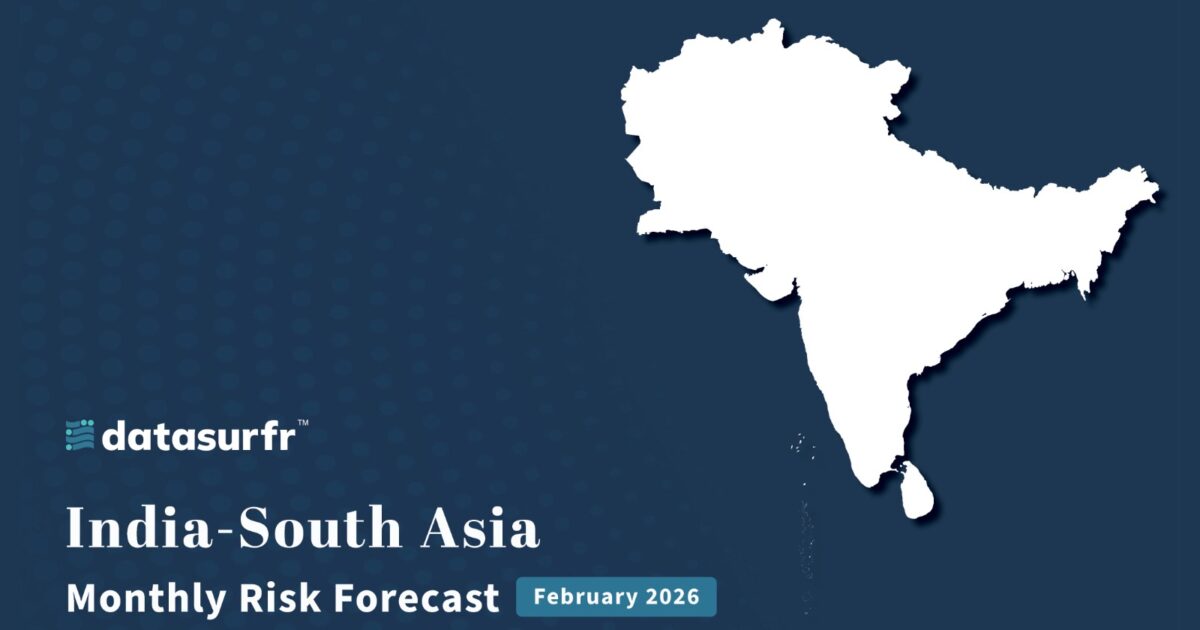
datasurfr’s India-South Asia Monthly Risk Forecast for February 2026 carries the complete country-by-country breakdown, event-impact detail on the AI Impact Summit and naval events, and a full regional event calendar. Download the full report now to brief your risk and continuity teams.
Filed under: India-South AsiaRegional Risk Reviews