What are the main monsoon risks in Gandhinagar and Vadodara in 2026?
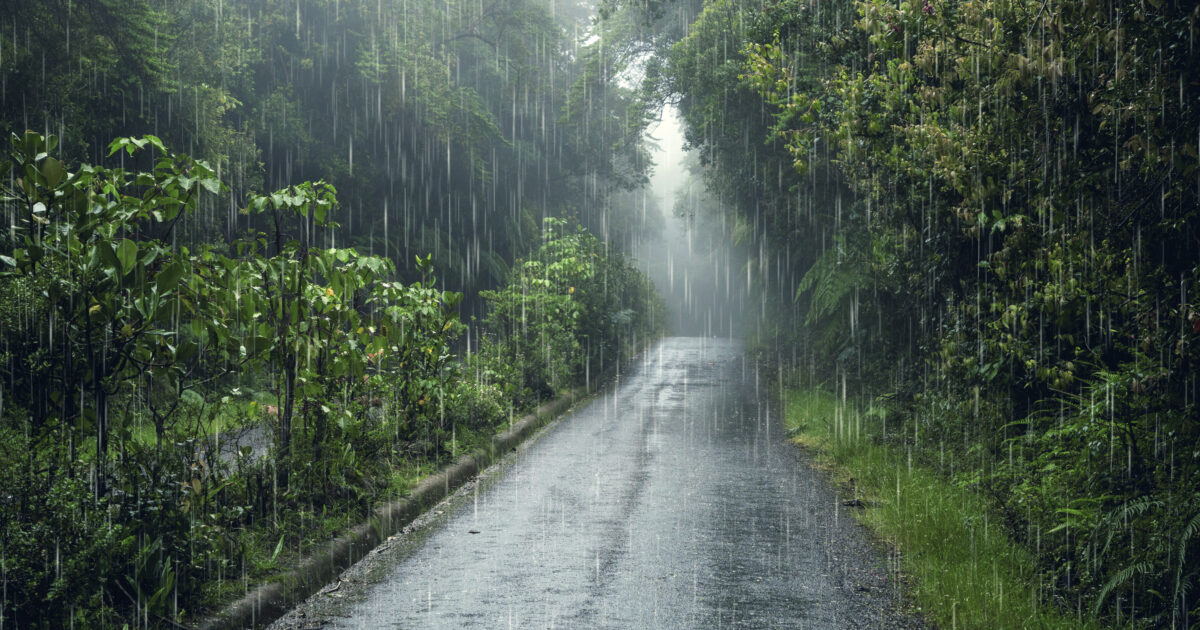
The main concern for Gandhinagar and Vadodara monsoon 2026 is not necessarily prolonged rainfall across the entire season, but the potential for intense, short-duration rainfall to overwhelm urban drainage systems.
In Vadodara, the Vishwamitri River basin creates additional exposure to flooding and river overflow, while Gandhinagar faces vulnerabilities around the Sabarmati River basin and low-lying urban areas. Encroachment and rapid urban expansion have reduced natural water absorption and drainage capacity in parts of both cities.
The resulting risks include waterlogging, flash flooding near riverbanks, transport disruption, power outages and supply-chain interruptions.
Which areas in Vadodara and Gandhinagar are most vulnerable?
In Vadodara, Sayajigunj, Sama, Akota, Karelibaug, Fatehgunj, Ajwa Road and areas around Old Padra Road are frequently vulnerable to waterlogging during intense rainfall. Areas near the Vishwamitri River corridor, including parts of Mujmahuda, Kalali and Pratapgunj, are more susceptible to flash flooding and river overflow during heavy rainfall or upstream water releases.
In Gandhinagar, Sector-13 around the Mahatma Mandir Underbridge, Sector-21 underpasses, Wawal and low-lying areas near the Sabarmati River basin remain vulnerable to waterlogging and temporary flooding.
Organisations with offices, warehouses or employees operating around these areas should account for changing access conditions during severe rainfall.
How could the Gandhinagar and Vadodara monsoon affect businesses and travel?
Peak monsoon conditions between July and September could disrupt workforce mobility and routine business operations because of waterlogging and traffic congestion. Local authorities may also issue evacuation alerts, request remote working or barricade underpasses during severe weather, creating additional operational constraints.
Public transport may experience delays, while temporary traffic diversions and slower rail operations could affect employee and cargo movement. App-based taxi services may also experience reduced availability or surge pricing during periods of severe disruption.
Commercial and industrial locations may also experience temporary access restrictions, localised power outages and logistics delays. The advisory specifically identifies operational exposure in areas including Mahatma Mandir, GIFT City, Makarpura GIDC, Manjalpur and Akota.
What are the business continuity risks during the 2026 monsoon?
For businesses, the principal risks are disruptions to employee mobility, cargo movement, facility access and utilities. Flooding around key roads can delay deliveries and commuting, while water ingress and power interruptions could affect facilities and critical equipment.
Logistics operators may need to account for alternate routes when severe rainfall or flooding affects major corridors. Businesses in low-lying locations should also review drainage arrangements and flood-protection measures before periods of heavy rainfall.
Supply-chain disruptions may become more significant where repeated flooding affects industrial or commercial areas. Organisations should therefore consider contingency arrangements for essential operations and maintain updated emergency communication protocols.
How should organisations prepare for Gandhinagar and Vadodara monsoon 2026?
Organisations should continuously monitor rainfall forecasts, flood warnings and traffic advisories issued by the IMD, Gujarat State Disaster Management Authority and local authorities.
Businesses operating in low-lying or flood-prone areas should review drainage systems, backup power arrangements and flood-protection measures. Logistics operators and commuters should anticipate delays and identify alternative travel routes before severe weather develops.
Emergency communication protocols should be kept updated, with essential response equipment, emergency supplies and contact lists available at operational sites.
Authorities have already initiated pre-monsoon preparedness measures, including drainage desilting, river monitoring, emergency response planning and control-room activation. Vadodara Municipal Corporation is continuing stormwater drain cleaning and Vishwamitri River monitoring, while Gandhinagar authorities are conducting drainage inspections and underpass readiness checks.
Frequently asked questions
Which areas of Vadodara are vulnerable to monsoon flooding?
Sayajigunj, Sama, Akota, Karelibaug, Fatehgunj, Ajwa Road and areas around Old Padra Road are identified as vulnerable to waterlogging. Parts of Mujmahuda, Kalali and Pratapgunj near the Vishwamitri River corridor face additional flash-flood and river-overflow exposure.
Which areas of Gandhinagar are vulnerable to waterlogging?
Sector-13 around the Mahatma Mandir Underbridge, Sector-21 underpasses, Wawal and low-lying areas near the Sabarmati River basin are identified as vulnerable to waterlogging and temporary flooding.
What should businesses do before the monsoon?
Businesses should monitor weather and traffic advisories, review drainage and backup-power arrangements, secure critical equipment, prepare alternate travel routes and maintain emergency communication protocols and response supplies.
Download the full advisory now
For the complete assessment of Gandhinagar and Vadodara monsoon 2026, including vulnerable areas, key business risks and preparedness measures, download the full MitKat Risk Flash.
Filed under: India-South AsiaRegional Risk Reviews