What is the Fuel Shortage in Bali 2026?
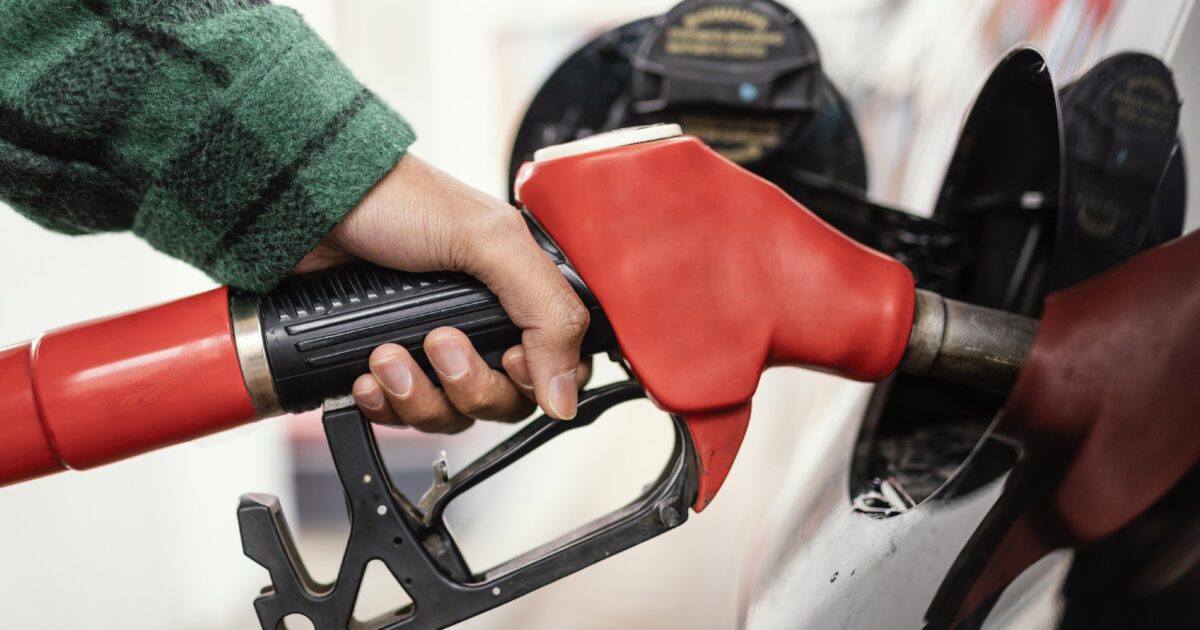
The Fuel Shortage in Bali 2026 refers to the ongoing disruption to petrol and diesel supply across Bali, Indonesia, which began in early October 2026. Queues exceeding one kilometre formed at gas stations in Denpasar, Badung Regency, South Kuta, Canggu and Ubud, with motorists reporting waiting four to eight hours. Several stations temporarily ran out of Pertalite and Pertamax. The disruption was attributed to a tanker anchor fault and rough seas that delayed unloading at the Manggis terminal on 13 October from around 0630 to 2200 hours local time, compounded by reduced allocations of 30–50% to some stations and panic buying. Approximately 500 people protested outside the Governor’s Office in Denpasar on 15 October over long waiting times.
When and where is the fuel shortage occurring?
The shortage has been ongoing since early October 2026. The most affected areas include Denpasar, Badung Regency, South Kuta, Canggu and Ubud. On 15 October, long queues persisted at stations on Gatot Subroto (East Denpasar), near Ngurah Rai Airport (Badung), at Sakah Sukawati (Gianyar) and Padang Kerta (Karangasem). The Bali provincial government ordered work-from-home arrangements and online learning from 15 to 17 October, with essential public services, emergency response and security continuing to report to workplaces. Pertamina’s President Director apologised on 14 October, and Coordinating Minister Bahlil Lahadalia said on 15 October that queues were “starting to ease,” although distribution had not yet normalised.
What are the fuel supply updates?
On 13 October, a tanker carrying 19.2 million litres of Pertalite and 3 million litres of Pertamax docked at the Manggis and Sanggaran terminals after the delay. From 14–17 October, Pertamina Patra Niaga scheduled 57.9 million litres of gasoline, comprising 44.9 million litres of Pertalite and 13 million litres of Pertamax, through the Manggis (Karangasem) and Sanggaran (Denpasar) terminals. Both terminals moved to 24-hour operations, the tanker truck fleet rose from 90 to 105, and additional trucks and drivers were brought in from Banyuwangi, East Java. Around 60 gas stations in Denpasar were instructed to operate 24 hours. Bali Police are escorting fuel tankers from the Manggis depot to gas stations, and the Udayana Military Command is supporting distribution.
What are the impacts on transport and business?
Road transport and commuting: Commuters may face localised congestion near gas stations and along tanker routes, with queues spilling onto roads. Police escorts for tankers may slow traffic on connecting roads. Taxi, ride-hailing and scooter-rental availability has reduced, with cancellations, longer pickup times and surcharges reported. Aviation: No flight disruption has been reported at I Gusti Ngurah Rai International Airport. However, queues near the airport’s access roads may delay transfers to and from the airport. Business operations: Offices may face reduced in-person services under the work-from-home order until 17 October. Logistics, delivery and fuel-dependent businesses may face longer transit times and delays. Other disruptions: Roadside fuel vendors are reportedly charging well above pump prices, and some may sell adulterated fuel. Protests may cause localised traffic disruption near the Governor’s Office in Denpasar.
What should organisations and individuals do to prepare?
Organisations should monitor updates from Pertamina and local authorities. Businesses with operations in affected areas should consider flexible working arrangements, adjust delivery schedules and prepare for potential supply chain delays. Fuel-dependent businesses should assess contingency plans and consider alternative suppliers where feasible. Individuals should avoid non-essential travel near gas stations and protest locations, allow additional travel time, and verify fuel availability before embarking on journeys. Avoid purchasing fuel from roadside vendors due to the risk of adulterated fuel. Monitor official channels for updates on distribution normalisation.
Frequently asked questions
When did the fuel shortage in Bali begin?
The shortage began in early October 2026.
What caused the fuel shortage?
A tanker anchor fault and rough seas delayed unloading at the Manggis terminal on 13 October, compounded by reduced allocations of 30–50% to some stations and panic buying.
Which areas are most affected?
Denpasar, Badung Regency, South Kuta, Canggu and Ubud, with long queues also reported in Gianyar and Karangasem.
What are the emergency contact numbers?
Pertamina Call Center: 135; National Emergency Number: 112; Police: 110; Ambulance: 118/119.
Download the full advisory now
Datasurfr’s Risk Flash on the Fuel Shortage in Bali carries the complete timeline, supply updates and impact assessment. Download the full advisory now to brief your travel and continuity teams.
Filed under: APACRegional Risk Reviews