What is the Belfast anti-immigrant unrest 2026?
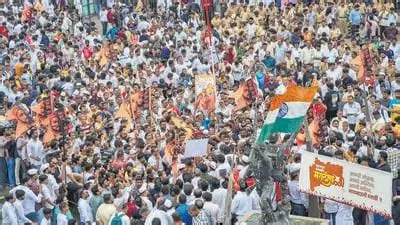
On Monday, 08 June 2026, a knife attack occurred in Belfast, leading to the arrest and charging of a 30-year-old Sudanese asylum seeker, identified as Hadi Alodid, on counts of attempted murder. Following the announcement of the charges, anti-immigration protests erupted across Belfast, particularly in areas with significant migrant populations. What initially began as demonstrations quickly escalated into violent unrest, with protesters engaging in clashes with police, arson attacks, vandalism, and road blockades. Several vehicles, residential properties, and commercial establishments were reportedly damaged or set on fire. Security forces deployed additional personnel and public order units to contain the violence and restore order.
Which areas in Northern Ireland are affected?
Affected areas include Belfast, Newtownabbey, Coleraine, Londonderry (Derry), Stormont Estate, Sandyknowes Roundabout, Tullyally Estate, Lower Newtownwards Road, and Ardmore Road. On Wednesday, 10 June, anti-immigration protests and related unrest continued across Belfast and other parts of Northern Ireland. Approximately 200 protesters gathered at Sandyknowes roundabout in Newtownabbey, where a Department of Infrastructure vehicle was set on fire and objects were thrown at police officers. Authorities deployed water cannons to disperse the crowd. In Coleraine, crowds gathered near properties housing multiple occupants, prompting a police response amid reports of hostage and xenophobic rhetoric directed toward residents.
What are the current updates and impacts?
Public transport services across Belfast were suspended on the evening of 10 June, while several schools and businesses closed early due to security concerns and anticipated disruptions. Police reported further incidents of property damage, attacks on officers, and localized disorder, while maintaining an enhanced security presence across affected areas to prevent additional violence. Authorities have warned of potential further demonstrations and localized disruptions as tensions remain elevated across Northern Ireland. Journalists covering the unrest in Newtownabbey were reportedly threatened and attacked by masked individuals, with a vehicle used by a news crew sustaining damage during the incident.
What are the immediate risks?
Further anti-immigration protests and retaliatory actions may result in additional clashes between demonstrators, counter-protesters, and security forces across Belfast and other parts of Northern Ireland. Road closures, public transport disruptions, and heightened police operations are likely to cause delays to staff movements, deliveries, and business operations in affected areas. The risk of targeted harassment or violence against migrants, asylum seekers, and ethnic minority communities remains elevated amid heightened tensions and inflammatory rhetoric. Further demonstrations may prompt localized business closures, access restrictions, and disruptions to educational institutions and public services.
What should organisations and individuals do to prepare?
Organisations should review employee travel and commuting plans in Belfast and other affected locations, and consider temporary remote or flexible working arrangements where operationally feasible. Ensure site security measures are adequate, including access controls, CCTV monitoring, and coordination with property management teams for facilities located near protest-prone areas. Reconfirm crisis management, emergency communication, and business continuity procedures to ensure rapid response to any escalation in civil unrest or disruption to critical operations. Identify alternate transportation, staffing, and supply chain arrangements to mitigate potential disruptions caused by demonstrations, roadblocks, or transport service suspensions. Individuals should avoid protest areas, monitor local news and police advisories, carry valid identification, and follow instructions from authorities. Emergency contacts: Police, Fire, Ambulance: 999. Non-emergency police: 101.
Frequently asked questions
When did the Belfast anti-immigrant unrest begin?
The unrest began on 08 June 2026 following a knife attack in Belfast and the charging of a 30-year-old Sudanese asylum seeker on attempted murder counts.
Which areas in Northern Ireland are most affected?
Belfast, Newtownabbey, Coleraine, Londonderry (Derry), Stormont Estate, Sandyknowes Roundabout, Tullyally Estate, Lower Newtownwards Road, and Ardmore Road are most affected.
What are the emergency contact numbers for Northern Ireland?
Emergency: 999. Non-emergency police: 101.
Download the full advisory now
datasurfr’s Risk Flash on the Belfast anti-immigrant unrest carries the complete impact assessment, the full list of affected areas, and a detailed contacts directory. Download the full advisory now to brief your travel and continuity teams.
Filed under: EMEARegional Risk Reviews