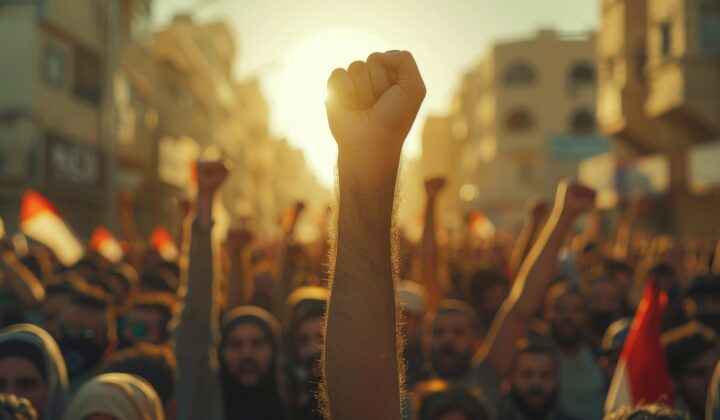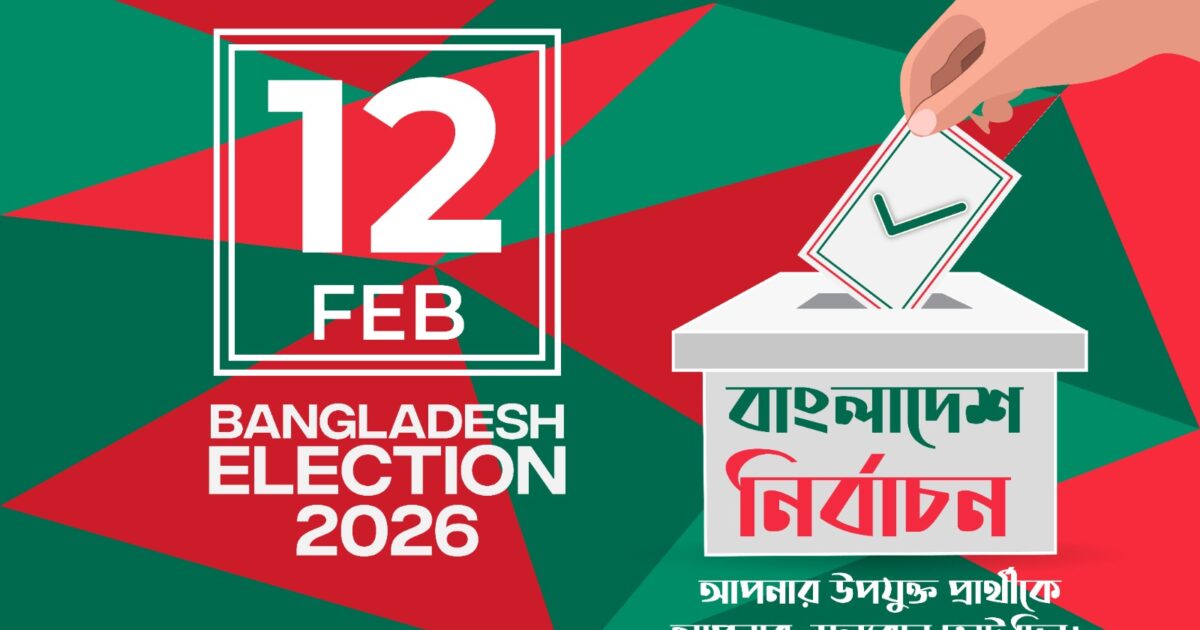
MitKat’s Special Report examines the run-up to Bangladesh’s 12 February general election for the 300-seat Jatiya Sangsad, the country’s first national poll since the removal of long-time Prime Minister Sheikh Hasina. With the Awami League excluded from the race, an unusually open field is being contested by the BNP, a Jamaat-e-Islami-led alliance and reformist parties, against a backdrop of economic hardship, institutional distrust and regional strategic stakes for India, China, Pakistan and the United States.
A reshaped political landscape
With the Awami League suspended since May 2025, the BNP under Tarique Rahman has emerged as the contest’s frontrunner, building a broad non-Islamist alliance, while the Jamaat-e-Islami-led 11-party coalition seeks to re-establish itself through anti-corruption and welfare messaging. The youth-led National Citizen Party, formed after the 2024 protests, is pursuing tactical cooperation with Jamaat while maintaining an independent reformist profile.
Escalating pre-election risk
Since campaigning began in late January, clashes and vandalism have been reported on a near-daily basis in districts including Dhaka-18, Shariatpur, Jashore-2 and Kishoreganj, with opposition and labour groups alleging selective law enforcement. The Election Commission’s neutrality has also come under scrutiny, with over 45 candidates with loan-default histories permitted to contest under unclear standards.
Regional and geopolitical stakes
A BNP-Jamaat leaning government could introduce a more adversarial posture toward India, reducing counterterrorism cooperation and expanding space for China and Pakistan, while the United States and China both view the outcome as pivotal to their regional influence and Indo-Pacific alignment. Bangladesh’s approach to the Rohingya crisis and Myanmar border security is also likely to shift with the incoming administration.
Impact on businesses
Indian firms should expect procedural reassessments of MoUs and stricter border controls at gateways including Petrapole-Benapole and Agartala-Akhaura, while businesses in Bangladesh face election-related hartals, worker-movement disruptions in Savar, Ashulia and Gazipur, and possible internet or mobile network restrictions around polling day requiring redundancy planning.
Download the full special report
The MitKat Special Report on the Bangladesh General Election 2026 provides detailed political-landscape analysis, probable outcome scenarios, regional implications and business impact assessments. Download the full report now for the complete analysis.
What is inside
- Bangladesh votes on 12 February 2026 for its first national election since the August 2024 uprising, held under an interim government led by Muhammad Yunus, with the Awami League barred from contesting under anti-terrorism legislation.
- The Bangladesh Nationalist Party under Tarique Rahman is the frontrunner, contesting against an 11-party Jamaat-e-Islami-led alliance and the youth-led National Citizen Party born from the 2024 protest movement.
- MitKat rates a comfortable BNP majority as the most likely outcome, with a narrower BNP-Jamaat coalition victory rated moderately likely and carrying a sharper, more adversarial tone toward India.
- Escalating pre-election violence, law-enforcement credibility concerns and Election Commission disputes over candidate eligibility have already disrupted campaigning in districts including Dhaka-18, Shariatpur and Jashore-2.
Filed under: India-South AsiaThreat Intelligence Special Reports