What major events will affect travel across Asia-Pacific in March 2026?
Eid al-Fitr is expected around 20–21 March, subject to moon sighting, and is likely to drive significant domestic and cross-border travel in Indonesia, Malaysia, Brunei, Singapore, Thailand and the Philippines. The extended Lunar New Year travel period and Lantern Festival events in China and Taiwan will add demand around transport hubs and festival precincts. Japan’s Tokyo Marathon on 1 March is expected to bring road closures through central districts including Asakusa, Ginza and the Tokyo Station area. Melbourne’s Formula 1 Australian Grand Prix, scheduled for 5–8 March, is likely to generate heavy attendance and access restrictions around Albert Park.
Where are large concerts and exhibitions likely to cause disruption?
Seoul’s BTS concert at Gwanghwamun Square on 21 March may draw substantial crowds beyond the registered audience, prompting extensive police deployment, crowd zoning, road closures and possible bus or subway adjustments. Singapore’s major concert activity and sporting events are likely to increase passenger volumes around the Sports Hub and nearby MRT stations. Taipei Cycle Show, scheduled for 25–28 March at the Nangang Exhibition Center, is expected to increase traffic around Jingmao 2nd Road and Nangang Road. The National MILO Marathon in Metro Manila and Women Run 10K in Phnom Penh will cause localized route closures and pedestrian congestion.
What political and labour developments should businesses monitor?
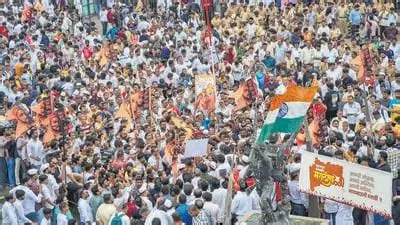
March follows significant political developments across the region, including Japan’s February general election and ongoing political tensions in South Korea and Thailand. Political demonstrations may continue in Australia following protests associated with the Israeli president’s February visit, particularly in Sydney and Melbourne. New Zealand’s firefighting workforce dispute may continue to create the possibility of labour action or service pressure. Organisations should monitor official announcements and avoid assuming that event-related traffic controls or labour disruptions will be limited to the immediate venue.
What public-health and environmental risks remain relevant?
Public-health vigilance has increased in parts of Southeast Asia following Nipah virus concerns, with authorities strengthening surveillance and reporting measures. Malaysia has also reported increased tuberculosis cases, reinforcing the need for routine health precautions during large gatherings and holiday travel. Environmental disruption remains relevant: monsoon-related flooding across Greater Jakarta, West Java and Banten may cause waterlogging, flash floods and landslides. Japan’s severe winter weather and snowfall-related transport effects may also persist in affected areas. These conditions can disrupt staff movement, last-mile deliveries and access to facilities.
How can organisations prepare for APAC disruptions in March?
Employers should map offices, hotels, suppliers and employee routes against event venues, marathon courses, festival areas and flood-prone districts. Confirm local transport schedules and official diversion plans before travel, and allow additional time for airport and station transfers. For large gatherings, establish employee check-in procedures and meeting points, and avoid unnecessary travel through crowded areas. Logistics teams should confirm holiday operating calendars, customs hours and carrier capacity, particularly around Eid and cross-border travel peaks. Maintain weather monitoring and contingency plans for flooding and severe weather.
Frequently asked questions
What is the primary operational concern?
Localized and evolving disruption to movement, access and business schedules. Check current official advisories for the specific location and date.
Where can organisations find updates?
Use official government, police, embassy, transport operator and airline or carrier communications, supplemented by trusted risk intelligence.
What should businesses do first?
Account for personnel, review critical dependencies, establish communications and prepare practical alternatives for travel and logistics.
Download the full advisory now
MitKat’s full report contains additional event details, geographic context and operational considerations. Download the full advisory to brief travel, security and business continuity teams.
Filed under: APACRegional Risk ReviewsThreat Intelligence Special Reports