What major events are forecast for APAC in June 2026?
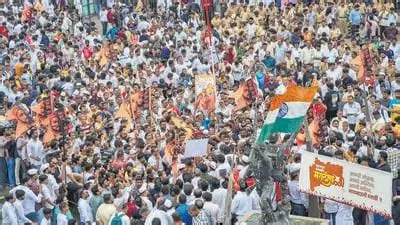
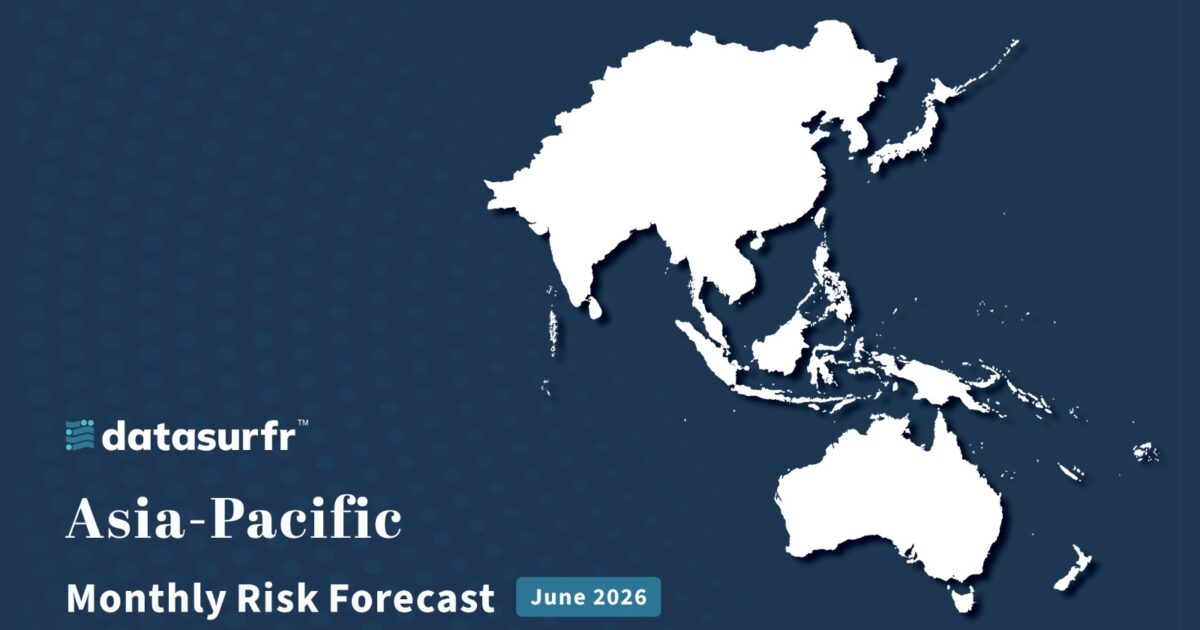
APAC Risk Forecast June 2026 is shaped by a dense civic and cultural calendar across the region. The Dragon Boat Festival on 19 June will be celebrated across China, Hong Kong and Taiwan with large-scale waterfront events at Victoria Harbour, the Tamsui River and riverfront districts in Guangzhou, Shanghai and Shenzhen, driving a sharp rise in domestic travel during the associated three-day holiday. Tokyo Pride takes place on 06-07 June, the King’s Birthday is celebrated across Australia, New Zealand and Papua New Guinea in June, and the Philippines marks National Independence Day on 12 June. Indonesia, Malaysia and Brunei observe the Islamic New Year public holiday on 16-17 June, while Singapore’s Pink Dot rally on 27 June and Melbourne’s World Refugee Day Rally on 20 June will require careful security management.
What is happening with South Korea’s local elections on 03 June?
South Korea holds its Nationwide Simultaneous Local Elections on 03 June alongside 14 parliamentary by-elections, with voters electing 16 metropolitan mayors and provincial governors, 227 lower-level administrative heads, and more than 3,400 local council members through a multi-ballot system. The contest pits the ruling Democratic Party of Korea, seeking to strengthen local support for President Lee Jae-myung’s administration, against the opposition People Power Party, which is aiming to preserve strongholds such as the Seoul mayoralty under Oh Se-hoon, with independent candidates including Han Dong-hoon in Busan also expected to influence local races. A strong Democratic Party victory could accelerate national reforms and closer alignment between central and local government, while a strong People Power Party showing could slow housing, zoning and infrastructure initiatives in contested cities. Elevated political tensions, combined with South Korea’s current national terror alert level of Caution, are expected to prompt heightened security around campaign events and critical facilities in the lead-up to polling day.
What about Thailand and China?
Thailand’s Election Commission has scheduled the Bangkok Metropolitan Council election for 28 June, with polling held from 0800 to 1700 hours; incumbent Governor Chadchart Sittipunt is running for a second term as an independent and currently holds a commanding lead in early polling, ahead of Chaiwat Sathawornwichit of the People’s Party and former city councillor Komsan Panwichartkul, while the Democrat Party has fielded Anucha Burapachaisri after its original frontrunner was ruled ineligible to run. With candidate registration closing on 01 June, campaign activity is expected to intensify sharply through the month, and post-poll victory rallies are likely to further affect movement and security arrangements across the city. Separately, China sustained its gray-zone military pressure on Taiwan through May 2026, continuing to raise the risk of miscalculation in the Taiwan Strait and contributing to ongoing uncertainty for maritime and air logistics across East Asia.
What are the business continuity risks?
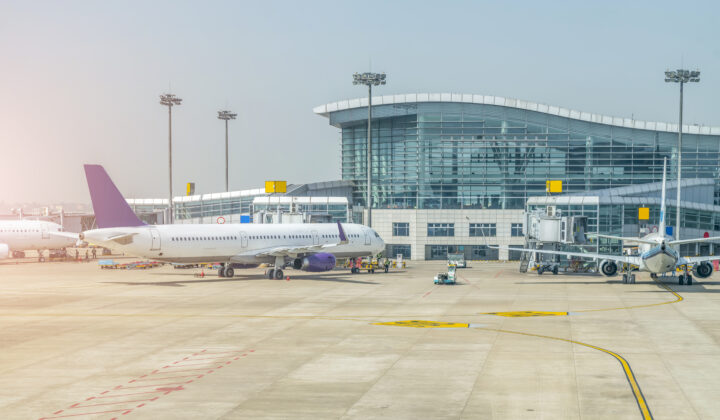
APAC Risk Forecast June 2026 also carries forward several unresolved risks from May. Indonesia’s student-led protests, which have already resulted in violent clashes, remain a persistent threat of widespread disruption and warrant continued monitoring by businesses with operations in major Indonesian cities. The region-wide energy crisis and associated air travel disruptions, both first triggered by the Strait of Hormuz conflict, are continuing to hamper economic activity and supply chains across APAC. Public health systems remain on heightened alert following vigilance over potential Ebola and Hantavirus risks during May, and a high heat index reported across APAC countries is likely to continue affecting public health and productivity into June. Organisations operating in South Korea and Thailand around election day should also anticipate transport disruptions, a heavy security presence, and the potential for protest activity to affect access to commercial and government districts.
What should organisations and individuals do to prepare?
Organisations operating in South Korea should prepare for heightened security around campaign events and critical facilities ahead of 03 June, and should monitor which party secures key industrial zones given likely shifts in local tax incentives and zoning policy. Businesses in Bangkok should plan for intensifying campaign activity through June and build contingency time around 28 June for potential post-poll victory rallies. Firms in Indonesia should maintain close monitoring of student-led protest activity given its potential to escalate without warning. Travellers and businesses near Dragon Boat Festival waterfront zones, Tokyo Pride, Pink Dot in Singapore, or the Melbourne World Refugee Day Rally should expect localised congestion and plan routes accordingly, while all organisations should continue tracking the region-wide energy crisis for supply chain impact.
Frequently asked questions
When is the Dragon Boat Festival celebrated in 2026?
The Dragon Boat Festival falls on 19 June 2026 and is celebrated across China, Hong Kong and Taiwan with a three-day holiday period.
Why are South Korea’s local elections on 03 June significant?
They will elect 16 metropolitan mayors and provincial governors and more than 3,400 local council members, shaping South Korea’s regulatory and economic landscape for years to come.
Is the APAC energy crisis still affecting the region in June 2026?
Yes. The region-wide energy crisis and associated air travel disruptions first triggered by the Strait of Hormuz conflict are continuing to hamper economic activity and supply chains into June.
Download the full advisory now
datasurfr’s APAC Risk Forecast June 2026 carries the complete country-by-country event calendar, election security analysis, and continuing energy crisis updates. Download the full advisory now to brief your travel and continuity teams.
Filed under: APACRegional Risk Reviews