KEY TAKEAWAYS:
- Thailand and Japan both go to the polls on 08 February 2026, with Japan’s snap election called just three months into Prime Minister Sanae Takaichi’s term amid rising friction with China.
- The Sydney Gay and Lesbian Mardi Gras (13 February – 01 March) is expected to draw more than 500,000 attendees, triggering an estimated eleven-hour transport embargo across the CBD’s south-eastern precinct on parade day.
- Cross-strait tensions escalated through January, with China running blockade-simulation exercises and a drone incursion near Pratas Island, while the EU has proposed mandatory removal of Huawei and ZTE equipment from its telecom networks within three years.
- Carried over from January, Victoria (Australia) faces a rare bushfire-and-flood convergence that burned more than 400,000 hectares and triggered an Insurance Catastrophe declaration, while Fiji and Malaysia remain exposed to continued La Niña-driven flooding into February.
February 2026 brings a dense overlap of elections, mass-attendance festivals, religious observances and unresolved security tensions across the Asia-Pacific region. For businesses operating in or dependent on APAC markets, the month combines predictable calendar risk — elections, holidays, sporting and cultural events — with less predictable carry-over risk from January’s climate disasters and geopolitical friction. Organisations with regional footprints, supply chains or travelling staff should treat February as an elevated-monitoring month rather than a routine one.
Which elections could disrupt business operations in February 2026?
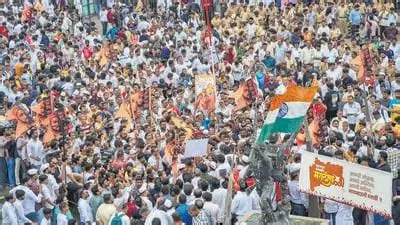
Thailand and Japan are both scheduled to hold elections on 08 February 2026. Thailand’s general election, held alongside a constitutional referendum on charter drafting, follows the dissolution of its House of Representatives and is expected to generate heightened security deployments, advance-voting congestion from 01 February, and traffic disruption around polling stations, district offices and counting centres in Bangkok and provincial centres. Japan’s snap election, called by Prime Minister Sanae Takaichi only three months into her term, is tied to the passage of a record JPY 122.3-trillion fiscal 2026 budget and her hawkish security posture toward China; the short campaign window raises the likelihood of localised logistics disruption during street rallies in major urban hubs.
What large-scale public events could disrupt business operations?
The Sydney Gay and Lesbian Mardi Gras runs from 13 February to 01 March, with its flagship parade on 28 February expected to draw more than 500,000 attendees and impose an estimated eleven-hour transport embargo across Oxford Street, Flinders Street and Anzac Parade. Chinese Lunar New Year on 17 February will bring large-scale celebrations across China, Australia, the Philippines, Singapore and Vietnam, with factory shutdowns, port congestion and labour shortages anticipated in China specifically. Hong Kong hosts the World Grand Prix snooker tournament from 03 to 08 February at Kai Tak Sports Park, expected to strain transport and hospitality capacity in the surrounding precinct.
What geopolitical and security risks are escalating across the region?
Cross-strait tensions between China and Taiwan intensified through January, with Chinese blockade-simulation exercises followed by a gray-zone drone incursion near Pratas Island, compounded by a domestic budget standoff that has stalled Taiwan’s Special Budget for Asymmetric War. Separately, the European Commission’s proposed cybersecurity act — mandating removal of Huawei and ZTE equipment from EU telecom networks within three years — is likely to strain EU-China relations and could influence procurement decisions for operators across APAC markets that use the same vendors. In South Korea, former President Yoon Suk Yeol’s five-year sentence has sustained a risk of civil unrest around Gwanghwamun, Seoul Station and the Seoul Central District Court, with potential for inconsistent delivery windows for logistics providers in the Seoul metropolitan area.
What environmental and climate risks have carried over into February?
Victoria, Australia experienced an unprecedented convergence of bushfire and flood conditions in January, burning more than 400,000 hectares and prompting an Insurance Catastrophe declaration with roughly 30 percent of property claims involving total losses; post-fire terrain remains susceptible to rapid runoff and further localised flash flooding into February. Fiji’s official climate outlook points to continued above-normal rainfall through February due to lingering La Niña conditions, raising flood risk in Suva, Nadi and Lautoka. Malaysia’s Sabah and Sarawak states remain exposed to monsoon-linked flooding along flood-sensitive transport corridors, and the Philippines Atmospheric, Geophysical and Astronomical Services Administration (PAGASA) forecasts four to eleven tropical cyclones entering its area of responsibility between February and July.
What should businesses do to prepare?
Organisations with APAC exposure should map staff travel and field deployments against the election, holiday and event calendar above, and defer non-essential movement into affected precincts during peak dates. Business Continuity Plans should account for factory shutdowns and port congestion around Lunar New Year, transport embargoes around the Sydney Mardi Gras parade, and possible flexible work-from-home protocols in Seoul in the event of renewed unrest. Supply chains reliant on Sabah, Sarawak, Fiji or Victoria should confirm alternate routing given continued flood and post-fire runoff risk, and telecom-dependent operators should monitor the EU’s Huawei/ZTE proposal for signals on vendor policy that may extend to APAC procurement.
Frequently asked questions
Which countries hold elections on the same day in February 2026?
Thailand and Japan both hold elections on 08 February 2026 — Thailand a general election with a constitutional referendum, and Japan a snap election called by Prime Minister Sanae Takaichi.
Is Ramadan expected to affect business operations in APAC?
Yes. Ramadan begins in early February across APAC, and Indonesia and Malaysia in particular are expected to see increased footfall around mosques and markets, adjusted food supply patterns and enhanced security in public spaces.
Which industries face the greatest disruption risk in February 2026?
Logistics and retail around Lunar New Year in China; hospitality and transport in Sydney during the Mardi Gras; telecom operators watching the EU’s proposed Huawei/ZTE removal; and insurers and infrastructure operators across Victoria, Fiji and Malaysia managing continued climate-related claims and access disruption.
Download the full report now
datasurfr’s Asia-Pacific Monthly Risk Forecast for February 2026 carries the complete country-by-country breakdown, event-impact maps and business continuity guidance referenced in this summary. Download the full report now to brief your risk and continuity teams.
Filed under: APACRegional Risk Reviews