
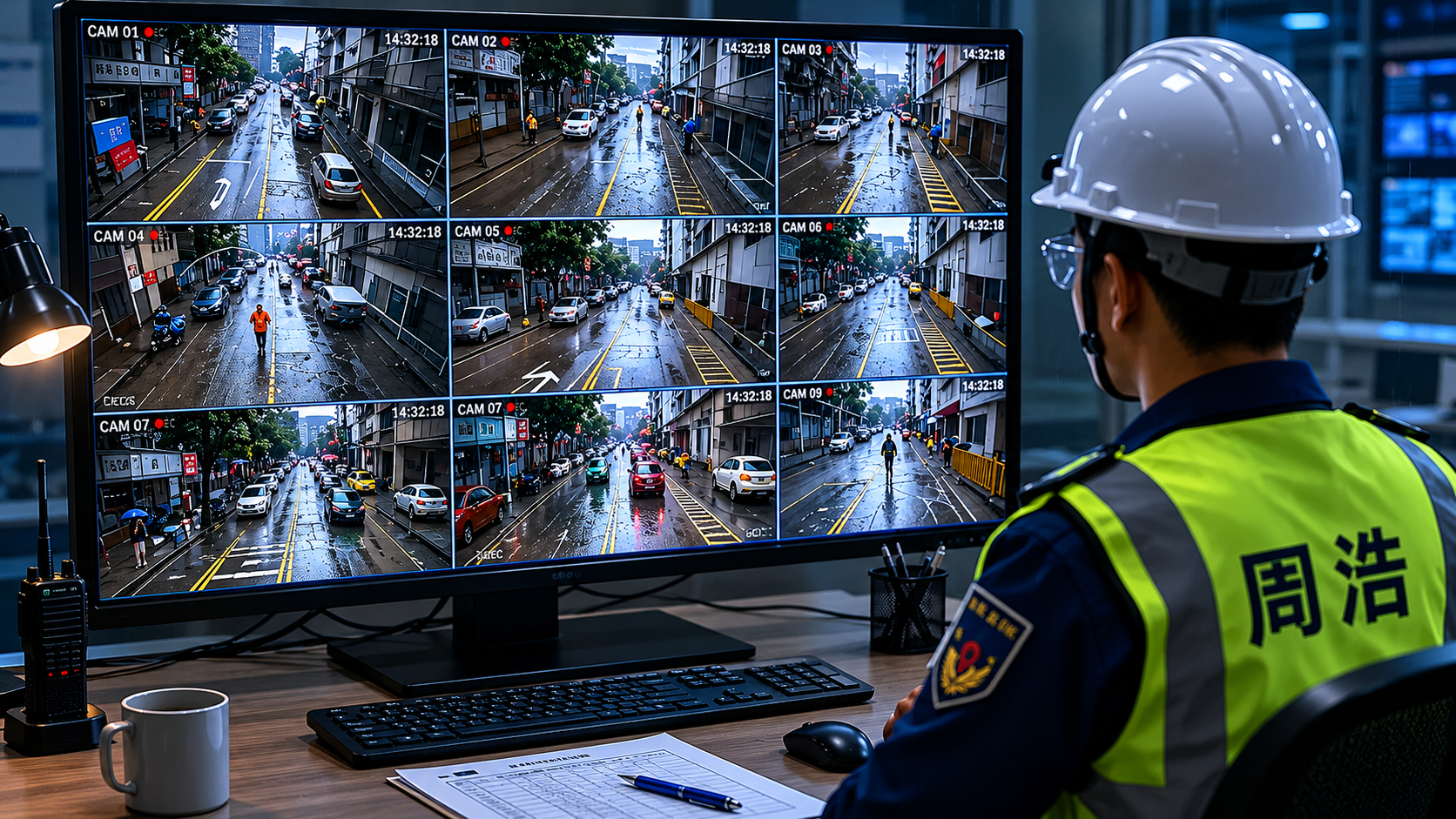
The organizations are grappling with the growing consequences of global crises, such as geopolitical disputes, catastrophes, cyberattacks, pandemics, and infrastructure blackouts, by 2026. As organizations go global and embrace remote and hybrid work models, keeping employees safe has become more complex than ever.
Traditional safety protocols are inadequate to cope with rapidly evolving risks. Companies need real-time visibility, predictive intelligence and automated response systems to ensure employees are safe during emergencies.
This is where AI-powered monitoring is changing how the workforce is protected around the world. Through the use of artificial intelligence, real-time analytics and automated alert mechanisms, organizations can detect threats faster, take proactive measures and maintain business operations in the face of global crises.
What Is AI-Powered Employee Safety Monitoring?
AI-powered employee safety monitoring refers to the use of artificial intelligence, machine learning, and real-time intelligence platforms to track, analyse, and respond to risks affecting employees.
These systems collect and process data from:
- Global news and media reports
- Government advisories and emergency alerts
- Cybersecurity intelligence feeds
- Weather and environmental monitoring systems
- Transportation and infrastructure networks
- Social media and public safety channels
AI systems analyse this information in real time to detect threats, predict disruptions, and support faster decision-making.
Why Employee Safety Monitoring Matters During Global Crises
Global crises can escalate rapidly and create operational challenges across multiple regions simultaneously.
Businesses may face:
- Employee safety risks
- Supply chain disruptions
- Travel restrictions and transportation delays
- Cybersecurity incidents
- Communication breakdowns
- Operational downtime
Without real-time monitoring, organizations may struggle to protect employees and coordinate emergency responses effectively.
1. Real-Time Threat Detection
One of the biggest advantages of AI-powered monitoring is the ability to detect risks instantly.
AI-driven platforms continuously monitor global developments and provide alerts related to:
- Geopolitical conflicts and civil unrest
- Natural disasters and severe weather
- Terror threats and regional instability
Early threat detection helps businesses respond before situations escalate further.
2. Protecting Remote and Global Workforces
Modern organizations manage employees across multiple countries, including high-risk regions.
AI-powered monitoring systems help businesses:
- Track employee locations responsibly
- Identify workers in affected areas
- Send GEO-targeted safety alerts
- Maintain emergency communication during crises
This improves visibility and helps organizations provide faster assistance to employees worldwide.
3. Improving Crisis Response and Emergency Communication
During emergencies, rapid communication is essential.
AI-powered systems support organizations by:
- Automating emergency notifications
- Prioritizing critical alerts
- Coordinating crisis management teams
- Providing real-time situational updates
This enables faster operational decisions and improves emergency response coordination.
4. Enhancing Travel Risk Management
Business travelers are often exposed to geopolitical instability, transportation disruptions, and regional security threats.
AI-driven travel monitoring tools provide:
- Real-time travel alerts
- Flight and transportation updates
- Traveler tracking and visibility
- Emergency evacuation support
These systems strengthen corporate duty of care and improve traveler safety during international crises.
5. Reducing Cybersecurity Risks
Global crises increasingly involve cyber threats targeting businesses and remote employees.
AI-powered cybersecurity monitoring systems can:
- Detect unusual network activity
- Identify phishing attempts and malware attacks
- Monitor unauthorized system access
- Alert security teams immediately
Fast threat detection reduces the risk of data breaches and operational disruption.
6. Supporting Business Continuity
Employee safety directly affects business continuity and operational resilience.
AI-powered monitoring helps organizations:
- Maintain workforce productivity during disruptions
- Reduce operational downtime
- Improve crisis preparedness
- Support faster recovery after emergencies
Businesses with strong monitoring systems are better prepared to manage uncertainty and maintain operations during global crises.
The Role of Predictive Analytics
Artificial intelligence not only identifies current threats but also predicts future risks using historical data and behavioural analysis.
Predictive analytics helps organizations:
- Forecast geopolitical instability
- Anticipate supply chain disruptions
- Prepare for severe weather events
- Identify high-risk operational areas
This proactive approach improves long-term resilience and crisis preparedness.
Industries Benefiting From AI-Powered Monitoring
Several industries rely heavily on AI-driven employee safety monitoring, including:
- Logistics and transportation
- Energy and infrastructure
- Manufacturing and industrial sectors
- Financial services and banking
- Technology and telecommunications
- Healthcare and pharmaceutical organizations
For these industries, workforce safety is closely connected to operational continuity and risk management.
Best Practices for AI-Powered Employee Safety
Organizations can strengthen workforce protection by:
- Implementing real-time monitoring platforms
- Integrating AI-powered risk intelligence systems
- Establishing emergency communication protocols
- Monitoring both cyber and physical threats
- Conducting regular regional risk assessments
- Training employees on crisis response procedures
Preparedness and continuous monitoring are essential in today’s global business environment.
The Future of AI-Powered Workforce Protection
As global risks continue to evolve, AI-powered monitoring technologies will become even more advanced.
Future workforce protection strategies will focus on:
- Predictive crisis intelligence
- Automated emergency response systems
- Advanced GEO-based monitoring
- Integrated cybersecurity and operational risk management
- AI-driven workforce analytics and situational awareness
Organizations investing in these technologies will be better positioned to protect employees and maintain resilience during future crises.
FAQ’s
1. Is employee privacy maintained with AI monitoring?
Yes, by implementing anonymized data collection, encryption, retention limits, and strict access controls, AI monitoring can protect privacy while ensuring safety.
2. Can AI detect hazards in real time?
Yes, AI continuously monitors workplace conditions using cameras, sensors, and wearables, instantly alerting employees and supervisors when hazards are detected.
Conclusion
AI-powered monitoring is transforming how businesses protect employees during global crises. By combining real-time intelligence, predictive analytics, automated alerts, and proactive risk management strategies, organizations can improve employee safety, strengthen crisis response capabilities, and maintain operational continuity.
In 2026, businesses that prioritize AI-driven workforce protection and real-time monitoring will be better equipped to navigate global uncertainty, reduce operational risks, and support the safety and well-being of employees worldwide.
Share on WhatsApp