Client
Multinational manufacturing and heavy-engineering group · Kyushu and western Honshu
The Event
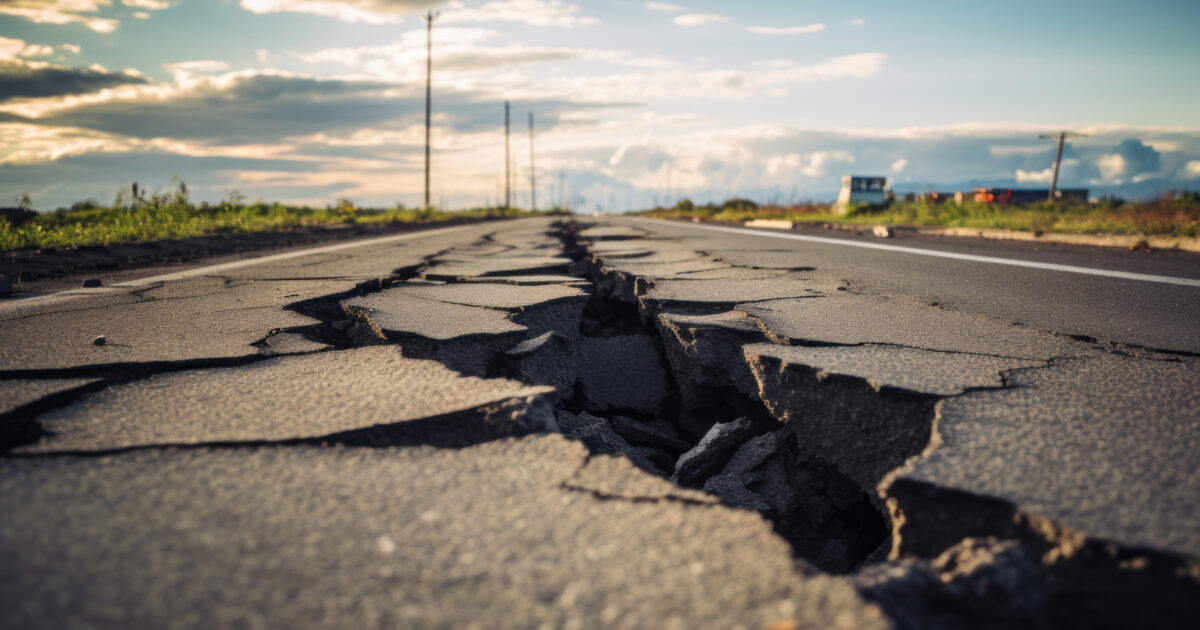
At 16:27 JST a magnitude 7.1 earthquake hit Kumamoto Prefecture at maximum shindo 7. Kyushu is Japan’s Silicon Island: within hours TSMC’s JASM fabs, Sony, two Renesas plants and Tokyo Electron halted, and Toyota suspended three Fukuoka plants. Most stoppages were precautionary. The harder problem came a week later.
What the Client Was Facing
- The second wave hit undamaged sites. Toyota took a fourth plant down in early August on supplier shortages alone.
- Cleanroom re-qualification, not structural damage, gated restart. Recovery plans written around buildings understate semiconductor recovery time badly.
- Water outages ran three times wider than power. Cooling, scrubbers and fire suppression all depend on it.
How Datasurfr Helped
- Monitor Seismic and weather agency feeds on the live map; the supplier cluster watched as its own entity set.
- Assess Plants, suppliers, logistics nodes and employee home locations mapped; concentration risk surfaced single-source dependence.
- Decide Scenario sets set a documented aftershock restart threshold with a named owner, ending ad hoc restart debate.
- Act Two-way welfare checks across all shifts, sustained through demolition contractors five weeks later.
Impact
- Tier-2 exposure mapped inside a day, ahead of supplier-declared delays
- Restart governed by a documented threshold and a named owner
- Continuity planning extended to water, not power alone
“The shaking closed the plants in seconds. What kept them closed, elsewhere in the region, was a supplier two tiers down that nobody had mapped.”