Operational Context
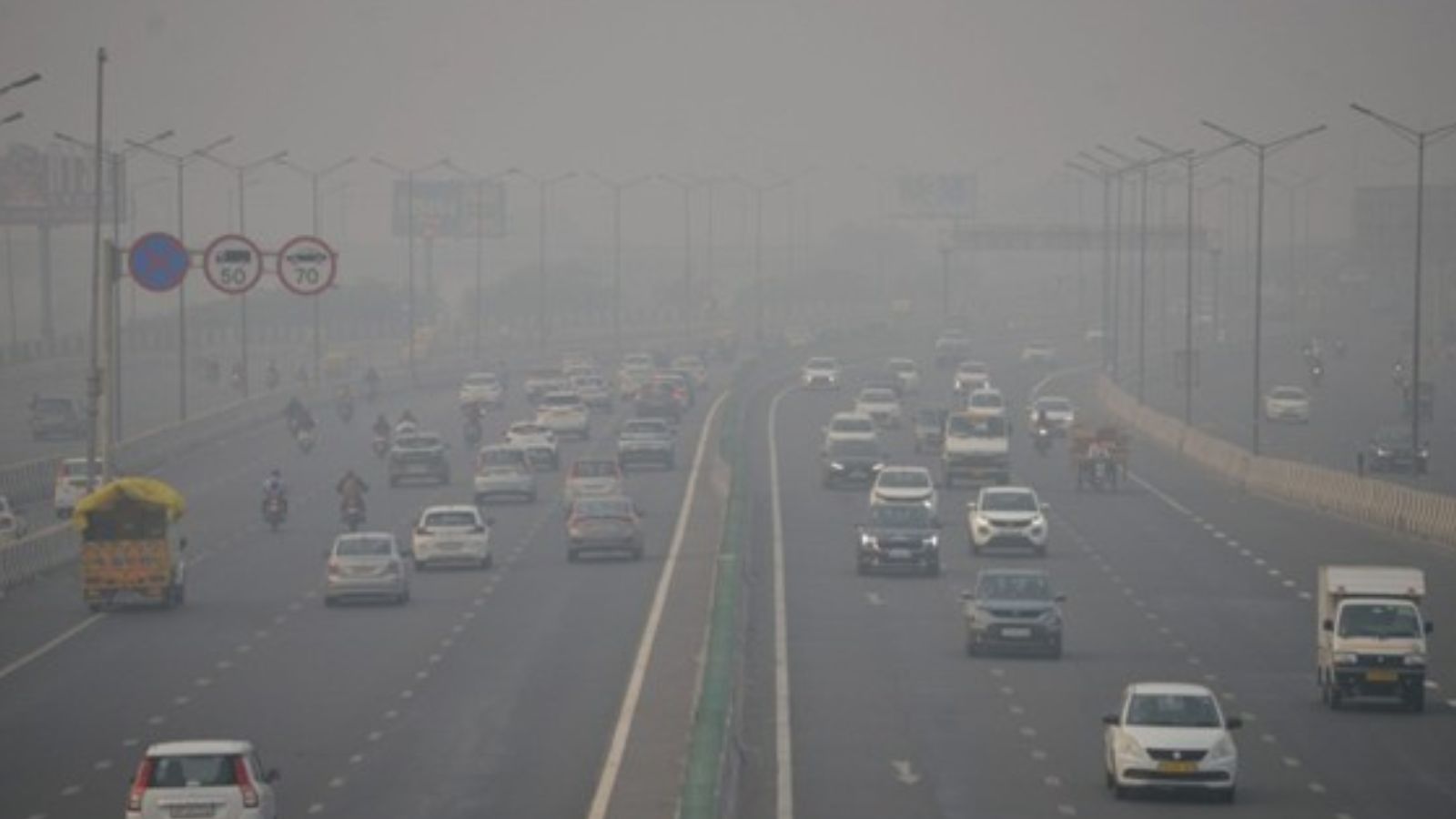
Delhi-NCR has entered another pollution escalation cycle consistent with winter GRAP (Graded Response Action Plan) patterns observed from October to January in recent years. Severe PM2.5 and PM10 build-up, driven by stagnant winds, regional emissions and seasonal meteorology, typically results in multi-day restrictions lasting between three and ten days. Current administrative measures reflect early-stage containment efforts, including workforce reduction orders and targeted restrictions for sensitive groups and high-exposure sectors. Past GRAP episodes have shown that pollution events can intensify rapidly when meteorological conditions remain unfavourable, often accompanied by transport slowdowns, health-service surges, and increased regulatory oversight of construction and industrial activity. Businesses should anticipate fluctuating alerts and prepare for further tightening of workforce, transport and compliance regimes.
Executive Summary
- Event Date: 24 November
- Location: Delhi, India
- Risk Category: Regulatory
- Severity Level: 4 / 5
- Confidence Score: 75 %
The Delhi government has directed offices to operate with 50% staff and enable work-from-home following a sharp rise in pollution levels. Elevated AQI and the possibility of further GRAP escalation may disrupt operations, mobility and service delivery for four to nine days, with peak health impacts expected within the first 72 hours.
Current Updates
Air quality readings across Delhi-NCR are in the ‘poor’ to ‘very poor’ category. Authorities have activated limited restrictions and are monitoring conditions for further GRAP triggers. Parallel disruptions include flight delays linked to volcanic ash advisories and localized protests affecting central districts.
Known Hotspots & Sensitive Zones
High Impact: IGI Airport, India Gate/Rajpath, ITO, Connaught Place
Medium Impact: New Delhi Railway Station vicinity, Noida–Greater Noida Expressway
Low Impact: Outer neighbourhoods with lower pedestrian concentration
Winter stagnation routinely drives AQI spikes across Delhi-NCR.
Impact on Transportation & Services
- Air: Flight delays possible due to combined pollution and ash advisories.
- Road: Slower throughput on Ring Road, NH44, and Noida corridors during peak smog.
- Metro: Increased loads as commuters shift away from road travel.
- Business Operations: Reduced on-site staffing, delayed deliveries and rescheduled meetings.
- Communications/IT: Higher VPN and network utilisation with minor strain.
Recommended Action
Immediate Measures:
- Implement 50% WFH roster; identify critical must-be-on-site roles.
- Deploy HEPA filtration, upgrade HVAC to high-fresh-air mode and issue N95 masks.
- Shift frontline customer service to remote channels; notify clients of temporary SLA changes.
- Validate VPN, MFA and data-center failover capacity; prepare emergency travel permits for essential technicians.
Strategic Measures:
- Conduct GRAP-aligned readiness planning; update regulatory compliance logs daily.
- Strengthen remote-work infrastructure; establish permanent air-quality monitoring for decision triggers.
- Pre-position supplies (PPE, filters) and enhance resilience of high-footfall sites.
Multidimensional Impact
Concurrent protests, enforcement operations and ash-related flight advisories may amplify mobility congestion and strain emergency services during the pollution response period.
Emergency Contacts
- Emergency Services: 112
- Delhi Pollution Control Committee: 011-42375923
- Delhi Traffic Police: @dtptraffic (X)
Situational Outlook
Baseline (60%) sees elevated pollution but controlled restrictions; moderate escalation (30%) may trigger GRAP Stage II–III with broader limitations; severe escalation (10%) could lead to Stage III–IV curbs, widespread disruption and increased healthcare load.
Strategic Takeaway
Winter pollution in Delhi-NCR remains a recurring operational hazard with rapid escalation potential. Organisations should prioritise staff safety, ensure compliance with evolving directives and leverage predictive tools such as MitKat’s Datasurfr for real-time alerts, air-quality tracking and continuity planning. Stay ahead of operational risks with real-time alerts, scenario modeling, and expert advisories with datasurfr’s Predict. Start your 14-day free trial of Datasurfr’s Risk Intelligence Platform today.