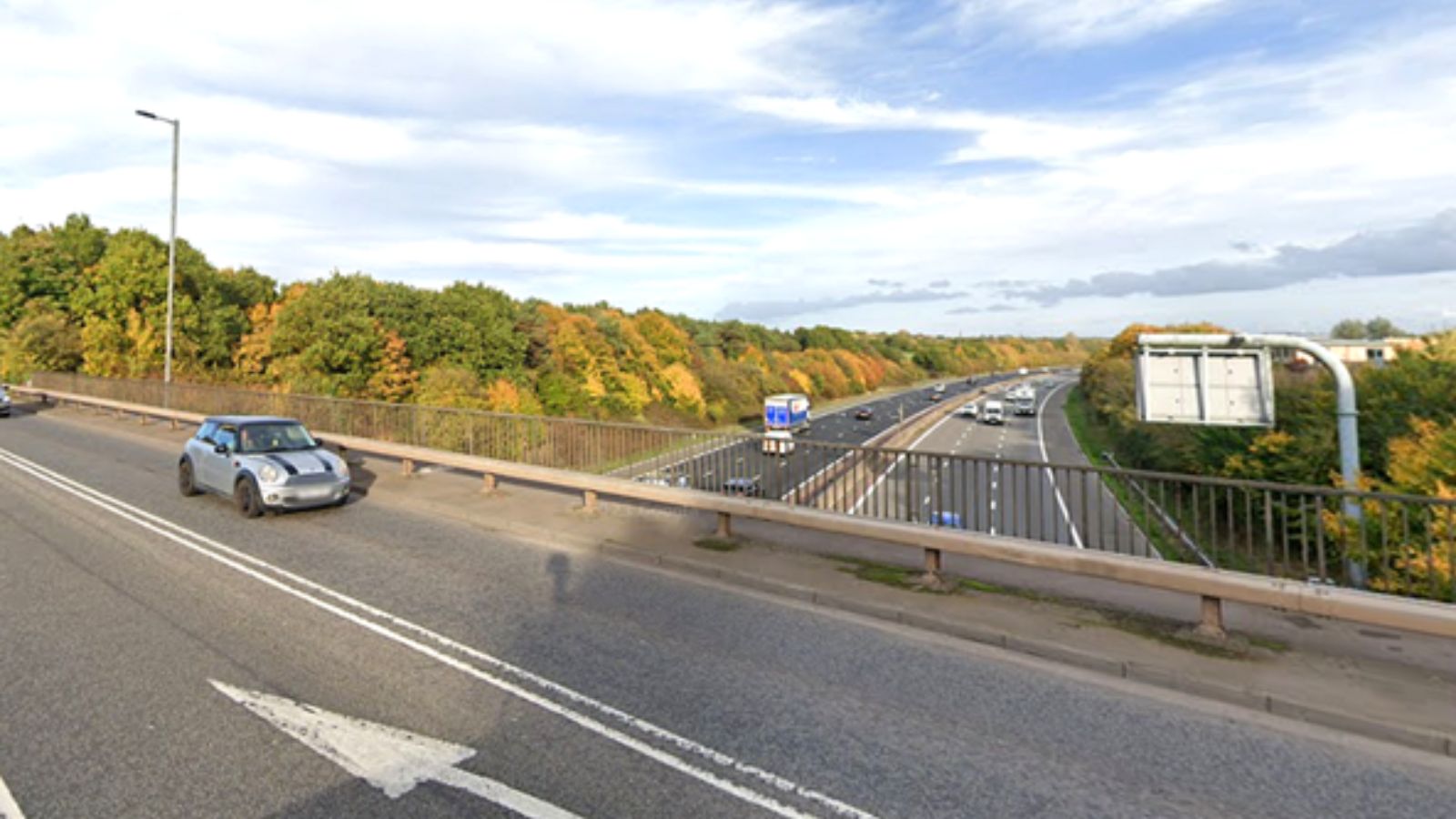
Executive Summary for the Road Closure in the United Kingdom
A complete closure of the M4 between J10 and J11 is scheduled for 18 February. Diversions via the A4, A350, A46, A420, and local B-roads are anticipated. Moderate but measurable travel disruption is expected, particularly for commuter flows, freight movements, and businesses reliant on cross-corridor connectivity.
- Event Date: 18 February
- Location: M4 between Junction 10 and Junction 11, England, United Kingdom
- Risk Category: Travel Risks
- Severity Level: 3 / 5
- Confidence Score: 78 %
Operational Context
Planned motorway closures along the M4 corridor routinely generate concentrated but time-bound disruption, particularly where diversion routes lack equivalent capacity. Historical precedent indicates that overnight or single-day closures typically result in 12–36 hours of elevated congestion, with phased reopening once works conclude. Less frequently, closures extend to 48–72 hours if structural or utility defects are discovered during maintenance. The M4 is a strategic east–west transport artery linking London, the South West, and South Wales; therefore, even scheduled works can produce cascading impacts on commuter mobility, freight operations, and regional logistics networks. Peak severity is expected during AM and PM travel windows and along diversion corridors.
Known Hotspots & Sensitive Zones
- High-impact zones: Diversion corridors including the A4 and A350, junction approaches at J9 and J12, and local road networks serving industrial estates connected to J10 and J11.
- Medium-impact areas: Bath, Chippenham, and surrounding commuter corridors where displaced motorway traffic may concentrate.
- Low-impact areas: Peripheral areas not directly linked to M4 diversion routes, though secondary congestion may occur during peak periods.
Recurring patterns from previous M4 closures show elevated congestion and minor collision risk on alternative routes during commute hours.
Impact on Transportation & Services
The motorway closure will reroute traffic onto secondary roads, increasing journey times by 15–60 minutes during peak windows. Freight operators may incur additional fuel and labour costs due to extended routes. Regional coach services and time-sensitive deliveries may experience delays. While rail services may absorb limited modal shift, capacity constraints reduce substitution effectiveness. No widespread digital or utility disruption is expected; however, delayed staff arrivals and missed service windows may affect business operations and contractual performance.
Recommended Action
- Organizations should issue pre-emptive travel advisories and enable remote work or staggered shifts for employees transiting the affected corridor.
- Logistics teams should re-route consignments at least 24 hours prior and update transport management systems with revised ETAs.
- Activate contingency supplier and backup distribution arrangements where feasible.
- Maintain real-time monitoring of National Highways updates and coordinate with local police traffic units.
- Establish an internal incident coordination cell to track operational impacts and document compliance considerations.
Multi-Dimensional Impact
Adverse weather, concurrent local incidents, or emergency service deployments could amplify congestion and extend diversion timelines. Extended works may elevate contractual and reputational risk for organizations dependent on reliable cross-regional freight movement.
Emergency Contacts
- Emergency Number: 999
- National Highways Regional Control Centre: nationalhighways.co.uk
Situational Outlook
The most probable scenario involves a time-bound closure lasting overnight or within 24 hours, with traffic diverted to designated alternative routes and gradual normalization following phased reopening. Moderate escalation may occur if maintenance works uncover structural or utility defects requiring extended repairs, potentially prolonging disruption to 48 hours or more and increasing congestion across diversion corridors. Severe escalation remains unlikely but would involve either a significant collision during the closure period or discovery of major infrastructure issues leading to multi-day restrictions. Overall, disruption is expected to remain temporary but operationally significant for commuter traffic and regional supply chains.
Strategic Takeaway
The scheduled M4 J10–J11 closure presents a manageable yet strategically relevant travel risk. Proactive routing, workforce flexibility, and real-time monitoring will mitigate business continuity impacts. Organizations should integrate structured transport risk management and early warning tools such as MitKat’s Datasurfr to maintain situational awareness during planned infrastructure interventions affecting critical motorway corridor. Stay ahead of operational risks with real-time alerts, scenario modeling, and expert advisories with datasurfr’s Predict. Start your 14-day free trial of Datasurfr’s Risk Intelligence Platform today.