Operational Context
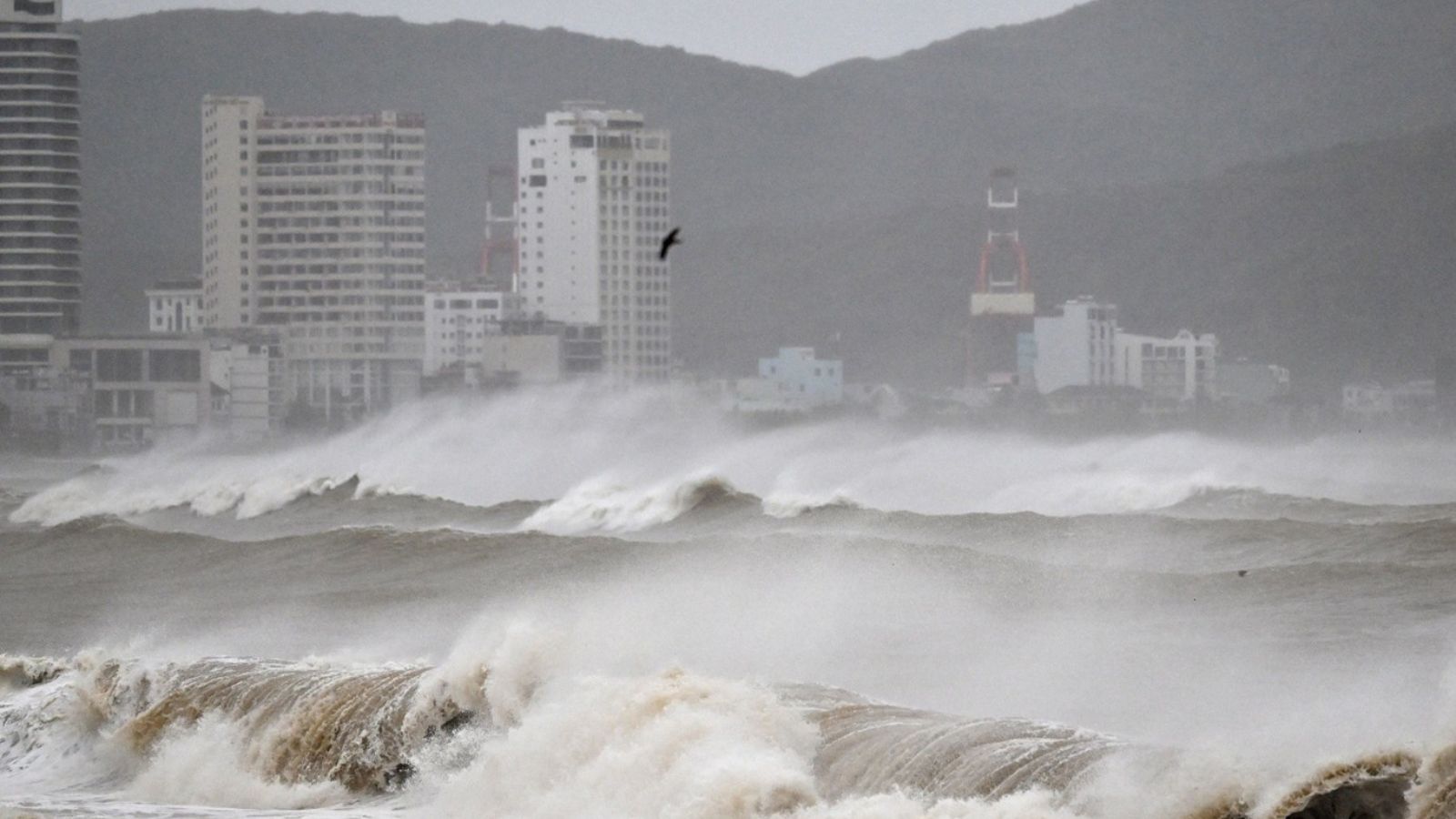
Typhoon Kalmaegi (Tropical Storm No. 13) made landfall in central Vietnam and has since weakened into a tropical depression as of Friday, 07 November 2025.
While the system’s wind intensity has declined, the residual rainfall poses a continuing threat across Khanh Hoa, Quang Tri, Thanh Hoa, Dak Lak, Da Nang, and Hue, extending inland toward Gia Lai and An Nhon. Historical data from similar downgraded storms (e.g., Typhoon Damrey 2017, Nari 2013) indicate that post-landfall flooding, soil erosion, and landslides remain the most significant hazards. Although the direct wind damage threat has reduced, the hydrological aftermath—heavy rainfall on saturated terrain will likely sustain moderate to high disruption for 3–5 days. The event’s Severity Score stands at 3 / 5, with 85% confidence, reflecting high predictability but lingering systemic risks.
Executive Summary
- Event Date: 07 November 2025
- Location: Central & Northern Vietnam (Hue, Da Nang, Quang Tri, Thanh Hoa, Dak Lak, Khanh Hoa, Gia Lai)
- Risk Category: Natural Disasters
- Severity Level: 3 / 5
- Confidence Score: 85 %
Typhoon Kalmaegi has weakened to a tropical depression, shifting Vietnam’s immediate threat profile from wind damage to rain-induced flooding and landslides.
The Vietnamese National Centre for Hydro-Meteorological Forecasting (NCHMF) reports that rainfall accumulation may exceed 150–200 mm in 24 hours across coastal and mountain provinces. Local authorities have suspended interprovincial transport, and early flood warnings have been issued for Quang Binh, Thua Thien Hue, and Nghe An.
Current Updates
As of Friday, November 07, Typhoon Kalmaegi (Tropical Storm No. 13) has officially weakened into a tropical depression after making landfall in Vietnam. The Vietnamese National Centre for Hydro-Meteorological Forecasting (NCHMF) reports that the system is now moving inland, bringing with it heavy rains, particularly to the central and northern provinces. Wind speeds have decreased considerably, mitigating the immediate threat of widespread wind damage. However, the primary concern has shifted to the potential for prolonged heavy precipitation, which is expected to trigger flash floods, riverine flooding, and landslides in vulnerable areas over the coming days.
Known Hotspots & Sensitive Zones
- Hue – Quang Tri – Da Nang Corridor: Flooding and road closures along QL1A and connecting bridges.
- Khanh Hoa & Quang Ngai: Risk of flash floods in low-lying coastal plains.
- Gia Lai & Dak Lak: High-risk landslide zones along mountainous slopes.
- Thanh Hoa & An Nhon: River basin overflow and rural inundation.
- Quy Nhon Port: Temporary operational slowdown due to rough seas and port safety restrictions.
Impact on People & Operations
- Safety:
Risk of drowning, electrocution, and debris-related injuries in flood zones. Emergency responders deployed to multiple provinces. - Mobility:
Road, rail, and air travel heavily impacted; ferry services suspended across coastal routes. - Infrastructure:
Floodwater damage to bridges, drainage systems, and power lines. Isolated power outages across Hue, Quang Ngai, and Dak Lak. - Business Operations:
Local businesses and factories operating at reduced capacity; some industrial zones temporarily shut. - Agriculture:
Flooding of paddy fields and coffee plantations; livestock loss in submerged regions.
Recommended Actions
1. Employee & Site Safety
- Conduct daily safety check-ins for staff in affected provinces; advise remote work where connectivity allows.
- Activate emergency contact protocols and ensure first-aid kits, bottled water, and backup power are accessible.
2. Facility Protection & Asset Security
- Relocate movable assets and vehicles from flood-prone areas.
- Inspect roofs, drainage systems, and storage units for vulnerabilities.
- Ensure diesel generators and UPS systems are functional and fully fueled.
3. Supply Chain & Logistics Management
- Communicate with carriers regarding road closures and alternate delivery routes via Da Nang and Quy Nhon corridors.
- Pre-position critical supplies in northern depots to sustain operations during transport disruption.
- Delay non-essential cargo shipments until post-storm clearance.
4. Communication & Continuity
- Keep all clients and stakeholders informed of potential service delays and operational interruptions.
- Coordinate updates with Vietnam Disaster Management Authority (VDMA) and local transport departments.
- Establish incident response teams (IMT) to monitor daily flood advisories and coordinate recovery.
Situation Outlook
Over the next several days, persistent heavy rainfall may lead to varying degrees of flooding and disruption across affected regions. The baseline scenario anticipates controlled flooding, with localized flash floods and minor landslides continuing but gradually subsiding, allowing transport operations to resume and power and communication services to be restored within 48–72 hours. A moderate escalation could see prolonged rainfall causing multi-provincial flooding, extended transport closures, agricultural losses, and temporary mass displacement requiring organized relief efforts. In a severe case, rainfall exceeding forecasts could result in dam overflows, bridge collapses, and widespread communication blackouts, necessitating a national emergency response and coordinated recovery operations.
Emergency & Monitoring Channels
- Police: 113
- Fire: 114
- Ambulance: 115
- Vietnam National Centre for Hydro-Meteorological Forecasting (NCHMF)
- Vietnam Disaster Management Authority (VDMA)
- General Department of Natural Disaster Prevention and Control (DPM)
Strategic Takeaway
Although Typhoon Kalmaegi has weakened, the danger now lies in sustained rainfall and cascading floods across central Vietnam. Organizations should suspend non-essential travel, secure critical assets, and maintain remote coordination through verified meteorological updates. The next 3–5 days remain crucial for monitoring secondary hazards such as landslides and river overflow, especially along the Hue–Da Nang–Quang Tri axis. Stay ahead of operational risks with real-time alerts, scenario modeling, and expert advisories with datasurfr’s Predict. Start your 14-day free trial of Datasurfr’s Risk Intelligence Platform today.