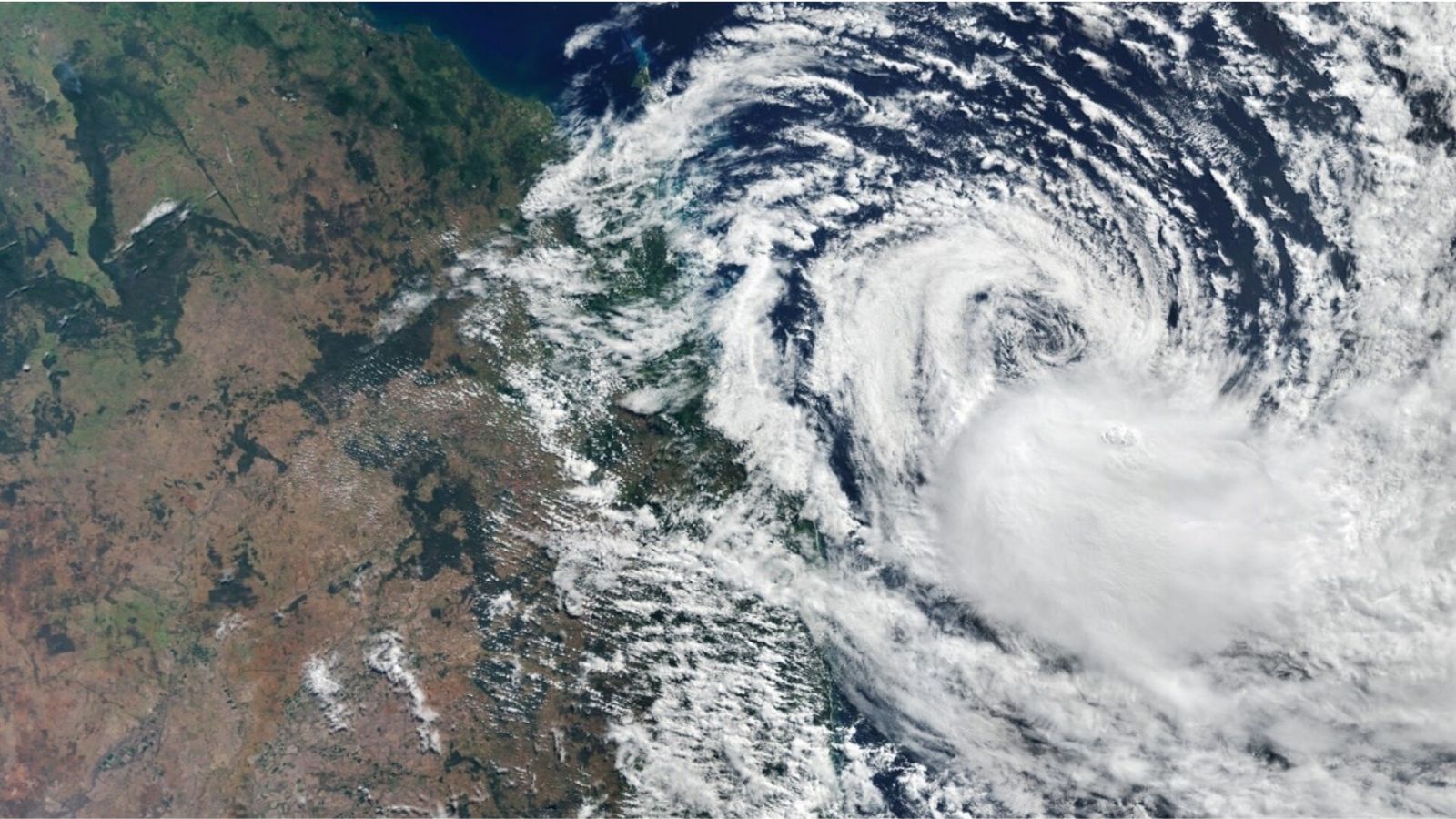
Executive Summary for the Tropical Cyclone Advisory in Queensland
A tropical cyclone advisory for northern Queensland indicates a system capable of generating heavy rainfall, flash flooding, strong winds, and coastal inundation. The primary impact window is expected within 24–72 hours, with extended inland flooding likely to persist for several days, affecting transport, utilities, and community safety.
- Event Date: 17 March
- Location: Queensland, Australia
- Risk Category: Natural Disasters
- Severity Level: 4 / 5
- Confidence Score: 78 %
Operational Context
A developing tropical cyclone system offshore of Cape York Peninsula is expected to impact parts of northern Queensland beginning 17 March, with intensifying rainfall, damaging winds, and coastal storm surge forecast over the next 48–96 hours. Meteorological guidance indicates a multi-phase hazard profile, including immediate coastal impacts followed by prolonged inland flooding across key river catchments. From an operational standpoint, businesses in northern Queensland, particularly in remote and coastal regions, face heightened exposure to infrastructure disruption and supply chain instability. Transport corridors such as the Peninsula Developmental Road serve as critical lifelines for logistics and community access; flooding and washouts along these routes can isolate communities and delay essential goods movement. Industries reliant on continuous operations, including mining support services, logistics, and regional retail, may experience workforce displacement, asset exposure, and communication disruptions. The extended duration of flooding risk, potentially lasting up to seven days, further increases the likelihood of sustained operational downtime and recovery challenges.
Known Hotspots & Sensitive Zones
High-impact zones:
- Coastal and low-lying communities across Cape York Peninsula, including areas near the Jardine River and Northern Peninsula Area, face elevated risk of flooding, storm surge, and wind damage.
Medium-impact areas:
- Inland catchments linked to the Mitchell and Jardine river systems are vulnerable to riverine flooding, particularly where prolonged rainfall accumulates.
Low-impact areas:
- Areas further inland with higher elevation may experience heavy rainfall but reduced exposure to storm surge impacts.
Northern Queensland experiences recurring cyclone activity, particularly during the wet season, increasing seasonal vulnerability.
Impact on Transportation & Services
Severe weather conditions are expected to disrupt road transport, regional aviation, and maritime operations. Flooding of low-level crossings and key routes such as the Peninsula Developmental Road may isolate communities and delay freight movement. Air services to regional airstrips may be suspended due to runway inundation and strong winds, while ferry and barge operations may be halted due to hazardous sea conditions. Utility infrastructure, including power, water, and telecommunications, faces risk of localized outages due to flooding and wind damage, affecting business operations and emergency response coordination.
Recommended Action
- Organizations should activate business continuity and emergency response plans, prioritizing employee safety through evacuation or shelter-in-place protocols where required.
- Non-essential operations should be suspended in high-risk areas, and critical assets should be secured or relocated to safer locations.
- Businesses should coordinate with emergency services such as the Queensland State Emergency Service (SES) and monitor updates from the Bureau of Meteorology (BOM).
- Supply chain contingencies, including alternate routing and inventory pre-positioning, should be implemented to mitigate disruptions.
Multi-Dimensional Impact
Prolonged road closures and transport disruption may lead to supply shortages in remote communities, increasing dependence on emergency logistics and government support services.
Emergency Contacts
- Emergency Number: 000
- Queensland SES: 132 500
- Bureau of Meteorology: bom.gov.au/
Situational Outlook
The tropical cyclone system offshore of northern Queensland is expected to intensify and influence coastal regions beginning 17 March, with the most significant impacts likely within the following 24–72 hours. Under baseline conditions, the system is expected to remain near or just offshore, producing heavy rainfall, localized flooding, and intermittent gale-force winds that disrupt transport and utilities but remain geographically contained. A moderate escalation scenario may occur if the system tracks closer inland, resulting in stronger wind damage, widespread riverine flooding across the Jardine and Mitchell catchments, and extended disruption to critical access routes and regional services. In a less probable severe scenario, rapid intensification or a shift in track could lead to significant coastal inundation, infrastructure damage, and prolonged isolation of affected communities, requiring large-scale emergency response and recovery operations over an extended period. Continuous monitoring of meteorological updates and emergency advisories will be essential for managing risks associated with this event.
Strategic Takeaway
The tropical cyclone advisory for northern Queensland represents a moderate-to-high natural disaster risk, with potential for significant disruption across transportation, utilities, and community infrastructure. The extended duration of rainfall and flooding increases the likelihood of prolonged operational impacts. Businesses and authorities should maintain continuous monitoring and proactive risk mitigation measures. Stay ahead of operational risks with real-time alerts, scenario modeling, and expert advisories with datasurfr’s Predict. Start your 14-day free trial of Datasurfr’s Risk Intelligence Platform today.