Operational Context
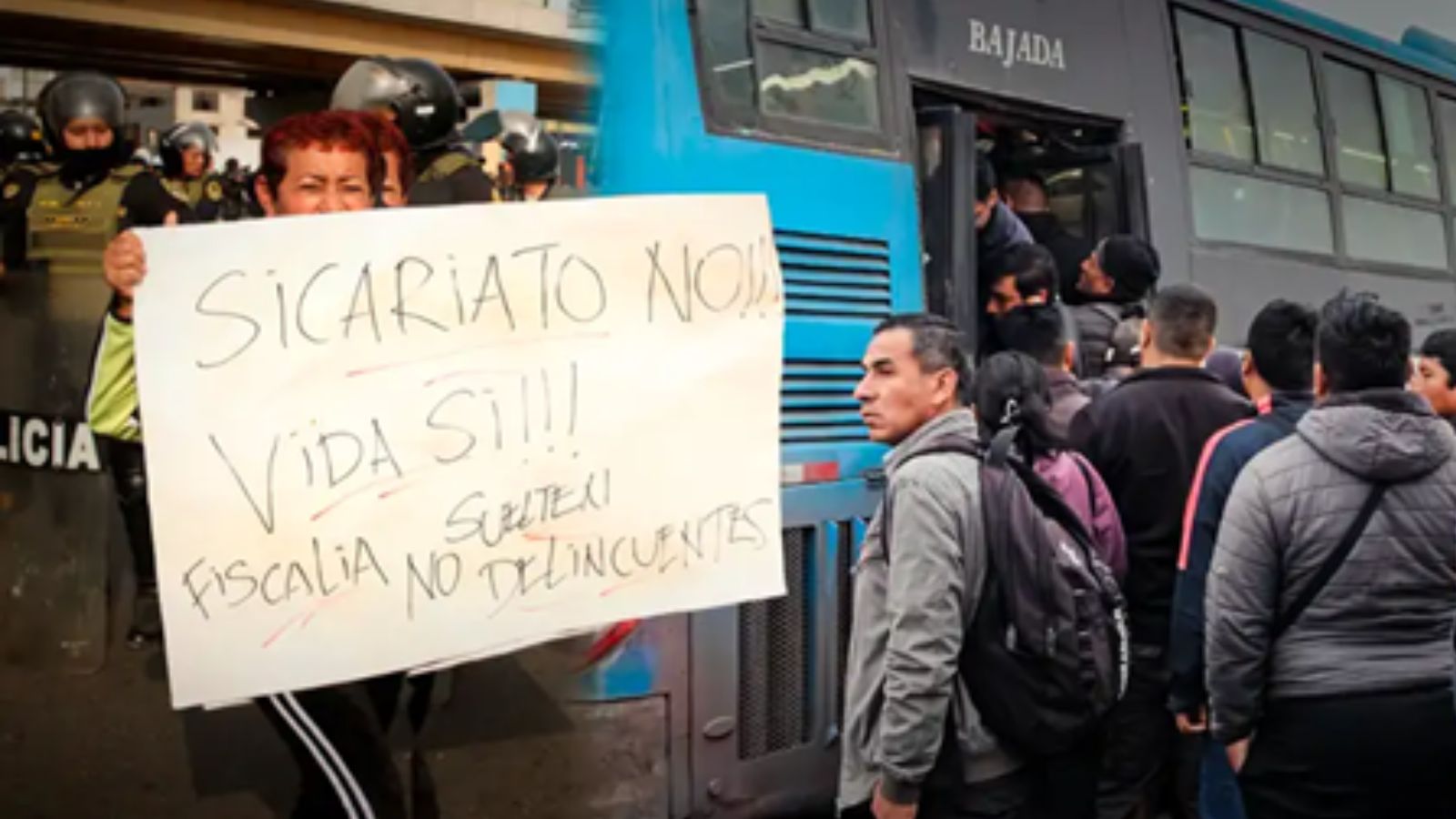
A transport strike scheduled for November 14 in Lima and Callao carries a significant risk of widespread disruption to urban mobility, business operations, and public safety. Historical analysis of similar events in the region indicates that such strikes are typically short-lived, often lasting 1-2 days, but frequently involve road blockades, confrontation, and necessitate substantial police deployment. The government’s proactive suspension of in-person classes signals the anticipated high severity of this event.
Executive Summary
- Event Date: 14 November 2025
- Location: Lima and Callao, Peru
- Risk Category: Travel Risks
- Severity Level: 3 / 5
- Confidence Score: 85 %
A transport strike on 14 November is expected to significantly disrupt public mobility across Lima and Callao. While infrastructure damage is unlikely, there is a moderate risk of local clashes and isolated vandalism. Businesses should prepare for delays, workforce absenteeism, and localized supply chain constraints.
Current Updates
The Ministry of Education has suspended in-person classes on 14 November across Lima and Callao to mitigate safety risks and reduce commuter exposure during the strike.
Known Hotspots & Sensitive Zones
High Impact Zones:
- Major transport corridors: Av. Faucett, Av. La Marina, Av. Arequipa, Panamericana Sur and Norte—high likelihood of blockades and traffic paralysis.
- Metro and Metropolitano hubs: Long queues and overcrowding expected, based on past incidents.
- Central districts in Lima and Callao: Business centres, government zones, and logistics nodes.
Medium Impact Zones:
- Educational institutions: Schools and universities, already subject to class suspension, remain sensitive due to prior protest activity.
- Jorge Chávez International Airport vicinity: Potential congestion affecting access routes.
Low Impact Zones:
- Peripheral residential districts: Likely to experience only indirect impacts through road congestion and reduced public transport availability.
Transport strikes in Peru often last one to two days, with sporadic escalation when union demands remain unmet.
Impact on Transportation & Services
Public transport services including combis, buses, and custeres are expected to halt, replicating past “casi total” suspensions. Metropolitano and Corredores may operate with limited frequency, causing long queues. Road blockades may restrict access to commercial hubs and distribution routes, delaying deliveries and reducing customer footfall. Police buses may be deployed to assist stranded commuters. No direct impact on utilities or digital infrastructure is anticipated, though access for repair teams may be delayed.
Recommended Action
- Implement remote work policies for non-essential roles; provide shuttles or transport allowances for critical staff.
- Update clients and suppliers on expected delays through email, SMS, and phone channels.
- Pre-position essential inventory, coordinate rerouting of deliveries around anticipated blockades.
- Activate business continuity plans to support remote operations; ensure IT systems remain stable and accessible.
- Monitor police advisories and local authority updates for real-time route status and security warnings.
Multi-Dimensional Impact
The strike will amplify existing public order challenges in Lima, complicate planning for major events, and strain security forces already tasked with other demonstrations. Planned protest marches and sectoral mobilizations may see reduced turnout, while disruptions to prison staff access and non-critical supply deliveries are possible. Broader economic confidence may be temporarily affected.
Emergency & Monitoring Channels
- Policía Nacional del Perú (PNP): 105
- Ambulance: 106
- Real-time mobility updates: ATU and PNP official channels
Strategic Takeaway
The strike presents a concentrated but high-impact mobility disruption with potential for moderate escalation. Businesses should prioritise workforce safety, maintain operational flexibility, and continue monitoring negotiations between unions and authorities. Stay ahead of operational risks with real-time alerts, scenario modeling, and expert advisories with datasurfr’s Predict. Start your 14-day free trial of Datasurfr’s Risk Intelligence Platform today.