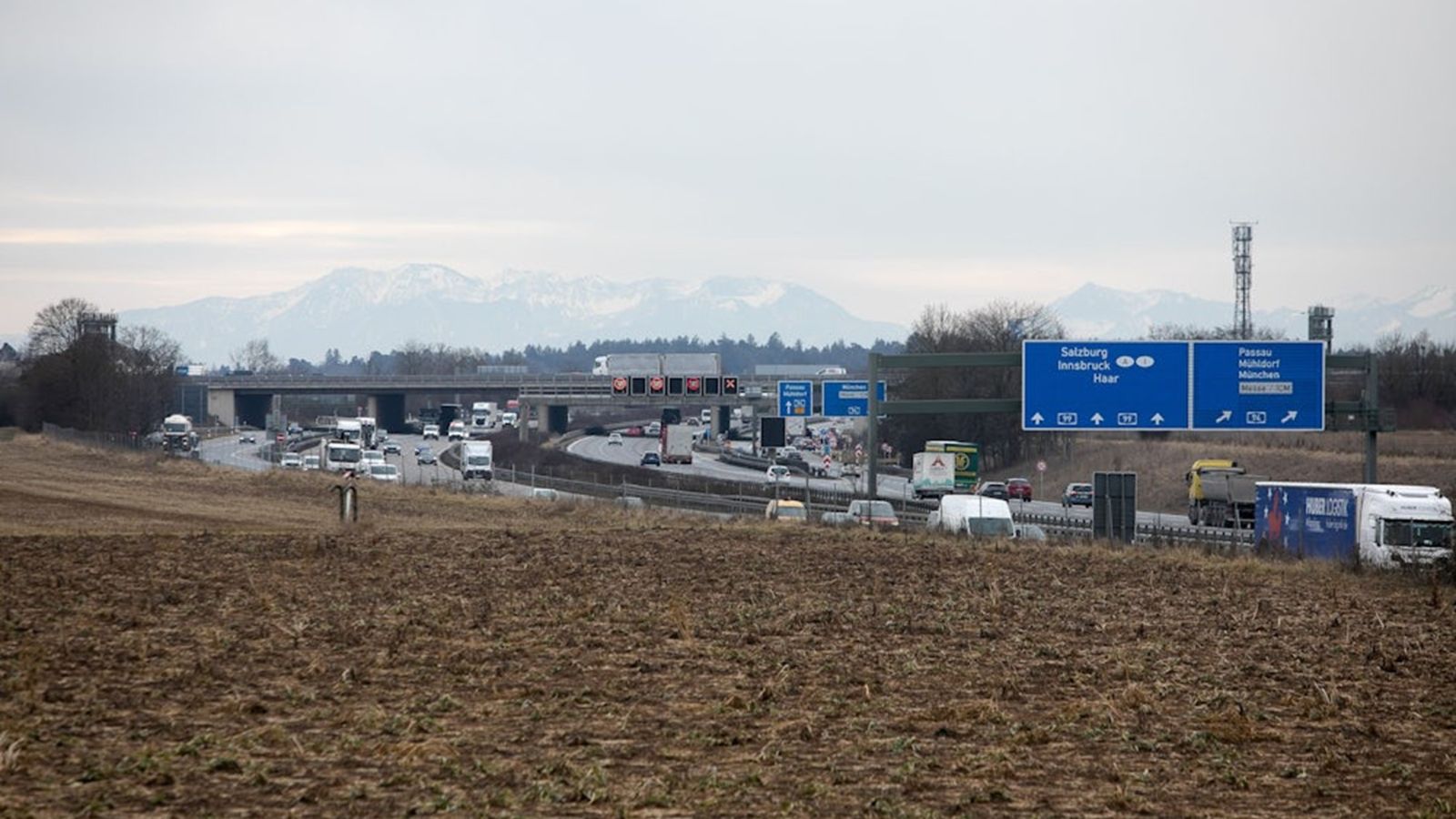
Executive Summary for the Traffic Disruptions in Munich
Major traffic disruptions are expected along the A99 and A92 motorways on 13 February due to overlapping security measures for the Munich Security Conference and elevated holiday return traffic. Multi-hour delays, temporary closures, and police-managed diversions are likely during peak afternoon and evening hours. While infrastructure damage is unlikely, travel disruption and supply chain delays may be substantial for commuters, freight operators, and businesses operating within the Munich metropolitan region.
- Event Date: 13 February
- Location: Munich, Germany
- Risk Category: Travel Risks
- Severity Level: 4 / 5
- Confidence Score: 78 %
Operational Context
Munich regularly experiences severe motorway congestion during high-profile international events combined with peak holiday travel periods. The Munich Security Conference (MSC) historically triggers rolling road closures, convoy movements, and controlled access near central venues and key motorway interchanges. When combined with elevated baseline vehicle volumes from holiday return traffic, the A99 ring road and A92 approach corridors face multi-hour delays and increased accident risk. Past incidents on these routes, including truck fires and multi-vehicle collisions, have resulted in temporary full closures and cascading congestion across parallel arterial roads and regional rail networks. The most vulnerable window is typically between 1200 and 2200 hours local time, with residual delays extending beyond peak periods.
Known Hotspots & Sensitive Zones
- High-impact zones: A99 ring motorway interchanges, particularly Munich-North, Munich-East, and airport approach corridors; A92 approach routes toward Munich; inner-city security perimeters near conference venues.
- Medium-impact areas: Parallel arterial roads and Bundesstraßen feeding the A99 and A92, as diverted traffic increases congestion pressure. S-Bahn Stammstrecke and central rail nodes may experience passenger surges.
- Low-impact areas: Outer regional corridors beyond 50 km from Munich, though secondary freight rerouting may create intermittent slowdowns.
Traffic congestion during MSC weekends and holiday travel periods shows consistent recurrence, particularly during afternoon commuter peaks.
Impact on Transportation & Services
Private vehicles and freight traffic on A99 and A92 may face delays of several hours, with potential temporary full closures if incidents occur. Diversions onto secondary roads could lead to secondary bottlenecks and elevated collision risk. Increased passenger volumes are expected on S-Bahn and regional rail services, potentially resulting in crowding and minor service delays. Businesses may experience delayed employee arrivals, missed delivery windows, and higher logistics costs. Mobile network congestion may marginally affect real-time communication during peak disruption periods.
Recommended Action
- Organizations should reschedule non-essential travel and re-route time-sensitive freight away from A99 and A92 corridors during peak hours.
- Implement staggered work shifts and remote working where feasible to reduce commuter exposure.
- Logistics teams should monitor live traffic feeds and coordinate with regional traffic authorities for alternate routing.
- Pre-position critical inventory within the Munich region to buffer against delivery delays.
- Facilities managers should review site access plans and update emergency routing procedures.
- Continuous coordination with local police, regional traffic management authorities, and rail operators is advised.
Multi-Dimensional Impact
Extended congestion may marginally delay emergency response times and contribute to localized environmental emissions increases due to prolonged idling traffic.
Emergency Contacts
- Emergency Number: 112
- ADAC Live Traffic Advisories: adac.de/verkehr/verkehrsinformationen/de/
Situational Outlook
The most probable scenario involves prolonged but managed congestion between 1200 and 2200 hours on 13 February, with rolling traffic controls and diversion measures mitigating worst-case gridlock. A moderate escalation could occur if a major accident coincides with peak congestion, leading to extended motorway closures and cascading supply chain disruption. Severe escalation remains unlikely but would require a concurrent security or protest incident resulting in sustained lockdowns and rail disruption. Overall, impacts are expected to remain temporary yet operationally significant across the Munich metropolitan transport network.
Strategic Takeaway
The convergence of a major security conference and holiday travel creates a predictable yet high-impact mobility risk for Munich. Businesses should prioritize traffic management, workforce flexibility, and proactive logistics planning to minimize disruption. Continuous monitoring of traffic advisories and integration of early warning systems such as MitKat’s Datasurfr will enhance situational awareness and support timely decision-making during peak congestion periods. Stay ahead of operational risks with real-time alerts, scenario modeling, and expert advisories with datasurfr’s Predict. Start your 14-day free trial of Datasurfr’s Risk Intelligence Platform today.