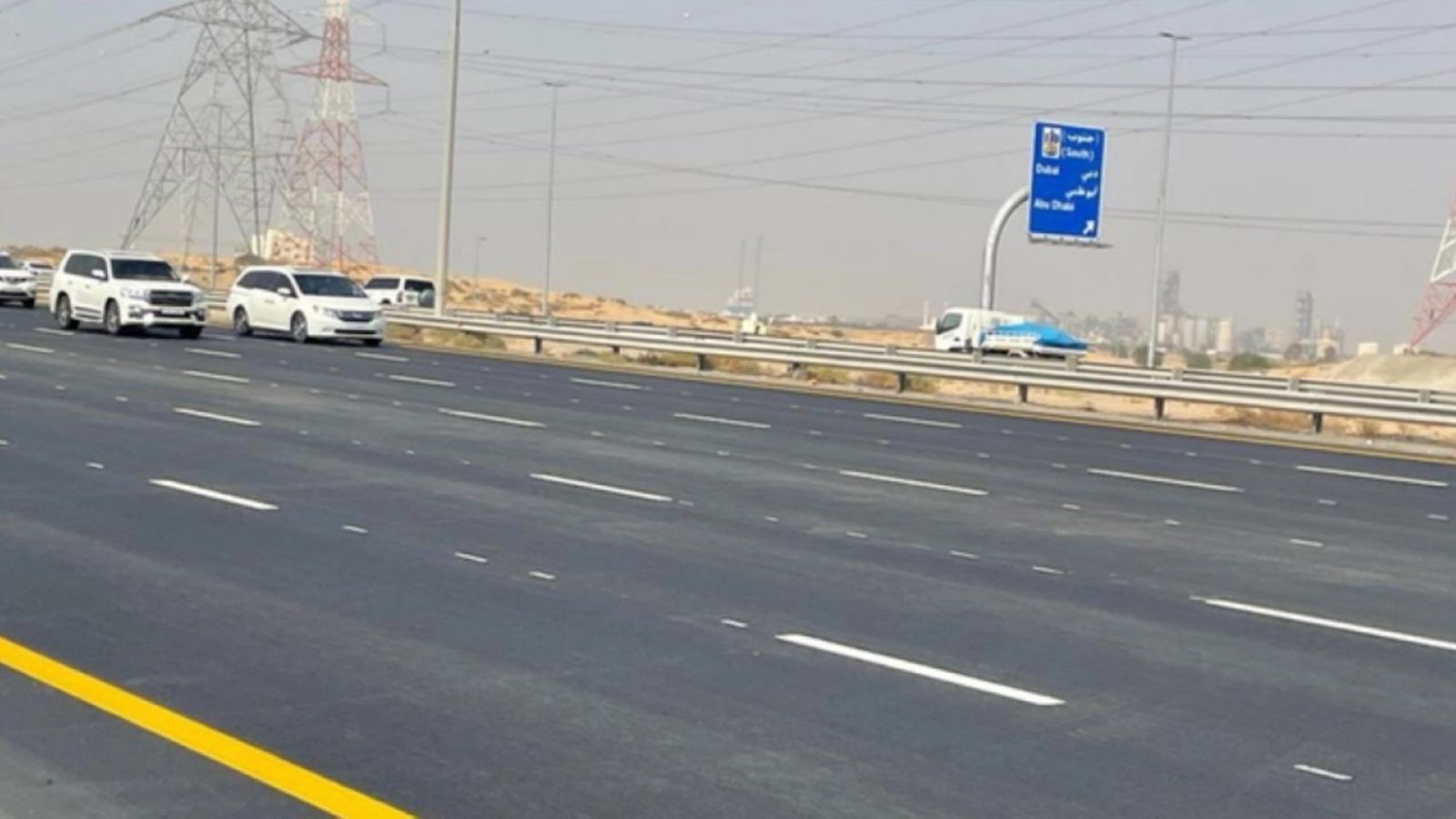
Executive Summary for the Temporary Road Closure in the United Arab Emirates
Authorities have scheduled a temporary closure of Emirates Road to facilitate improvement works. Diversions will redirect traffic to E311, Al Ittihad Road, and local feeder routes. Moderate congestion and logistics delays are expected during the active closure window and immediate aftermath.
- Event Date: 19 February
- Location: Bridge Number Seven, Emirates Road (E611), Dubai–Sharjah, United Arab Emirates
- Risk Category: Travel Risks
- Severity Level: 3 / 5
- Confidence Score: 85 %
Operational Context
Emirates Road (E611) is a critical inter-emirate transport corridor linking Dubai and Sharjah, supporting commuter mobility, freight flows, and access to industrial zones. Planned maintenance closures historically follow a short-duration execution model, typically four to 12 hours, often during overnight or off-peak windows to reduce traffic disruption. However, previous comparable events have demonstrated residual congestion lasting 24–48 hours due to traffic rebalancing across parallel routes such as Sheikh Mohammed Bin Zayed Road (E311) and Al Ittihad Road. While direct safety risks remain low under controlled traffic management, the principal exposure lies in travel disruption, business continuity delays, and supply chain inefficiencies.
Known Hotspots & Sensitive Zones
- High-impact zones: Emirates Road (E611) near Bridge Number Seven and border sections between Dubai and Sharjah; interchanges connecting to E311 and industrial access roads.
- Medium-impact areas: Al Ittihad Road (King Faisal Road), Dubai northern suburbs, and Sharjah industrial areas likely to absorb diverted commuter and freight traffic.
- Low-impact areas: Central Dubai districts not reliant on the E611 corridor.
Past Emirates Road closures indicate peak congestion during commuter windows, particularly where industrial freight overlaps with residential traffic flows.
Impact on Transportation & Services
The temporary road closure will redirect commuter traffic and light freight to parallel arteries, increasing journey times by an estimated 30–90 minutes during peak spillover. Public and private inter-emirate bus services may implement route diversions. Logistics operators servicing Dubai–Sharjah corridors may experience schedule adjustments and higher operating costs. No widespread digital or utility service interruption is anticipated. However, delayed workforce arrival and shipment rescheduling may impact time-sensitive business operations and customer service commitments.
Recommended Action
- Organizations should issue pre-closure travel advisories and enable remote work or staggered shifts for affected staff.
- Logistics and fleet managers should pre-map alternate routes and integrate updates into dispatch systems on 19 February.
- Add ETA buffers for service-level agreements and pre-stage inventory on both sides of the corridor to minimize cross-border trips during the closure window.
- Monitor real-time updates from Dubai’s Roads and Transport Authority (RTA) and Sharjah traffic authorities.
- Longer-term, review transport risk management frameworks to incorporate recurring maintenance-related travel disruption scenarios.
Multi-Dimensional Impact
Major conferences or large-scale events coinciding with the closure may amplify traffic density and strain taxi and shuttle services. Extended overruns due to unforeseen technical issues could increase congestion exposure beyond the initial window.
Emergency Contacts
- Emergency Number: 999
- Dubai RTA Traffic Updates Portal: rta.ae/
- Sharjah Roads and Transport Authority: srta.gov.ae/
Situational Outlook
The most probable scenario involves execution of a short-duration closure within the planned four to 12-hour window, followed by gradual normalization of traffic patterns within 24–48 hours. A moderate escalation scenario would involve an overrun extending to 12–24 hours due to technical adjustments, intensifying congestion along E311 and Al Ittihad Road during peak commute periods. Severe escalation remains unlikely but could arise from an incident within the work zone or discovery of subsurface utility complications, leading to extended lane restrictions. Overall, disruption is forecast to remain temporary yet operationally significant for commuter mobility and inter-emirate logistics.
Strategic Takeaway
The Emirates Road closure represents a predictable but material travel risk within the Dubai–Sharjah corridor. Proactive route planning, stakeholder communication, and logistics buffering will mitigate business continuity impacts. Organizations should leverage structured situational awareness and early warning platforms such as MitKat’s Datasurfr to manage recurring infrastructure-related transport disruptions effectively. Stay ahead of operational risks with real-time alerts, scenario modeling, and expert advisories with datasurfr’s Predict. Start your 14-day free trial of Datasurfr’s Risk Intelligence Platform today.