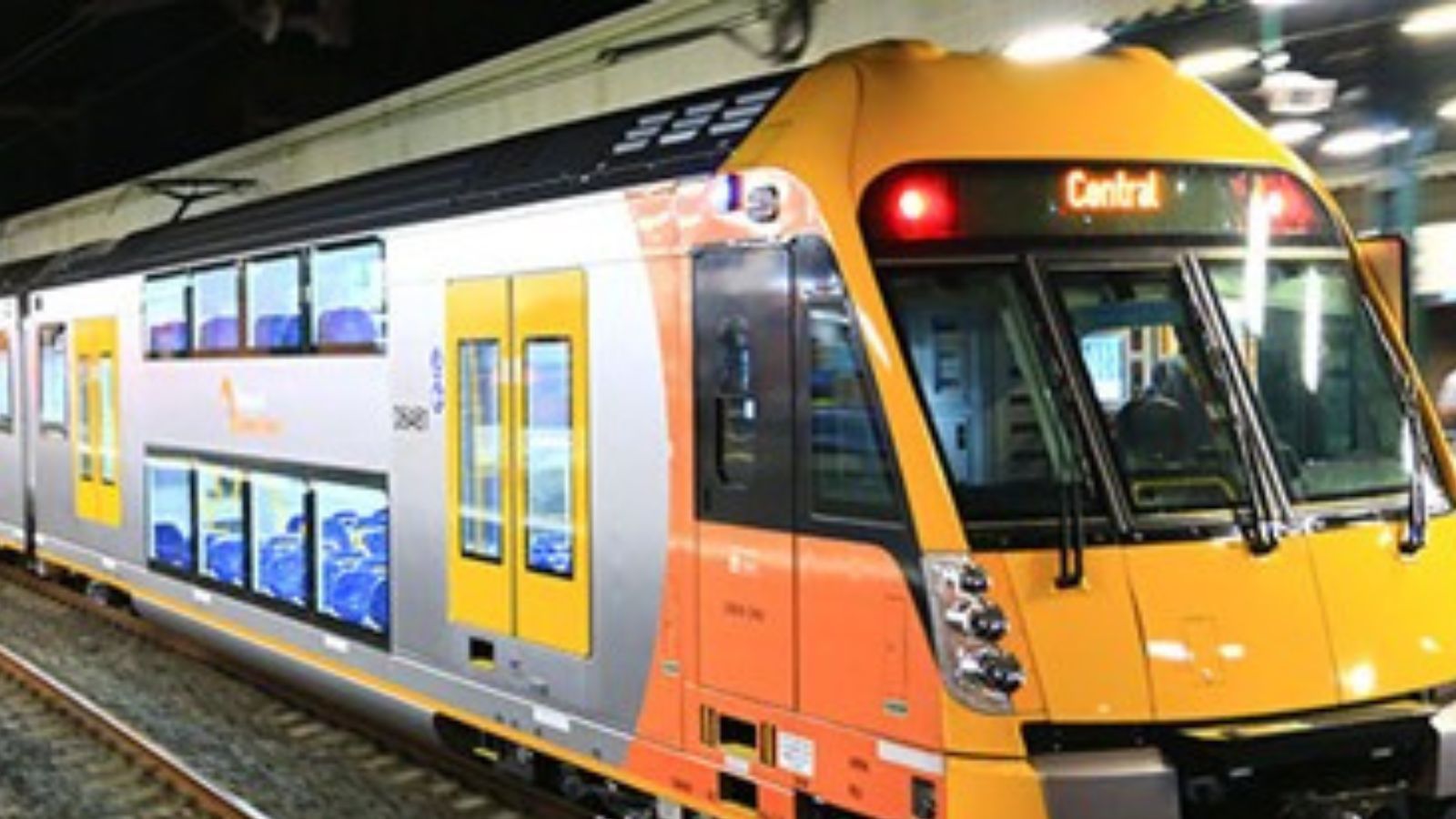
Executive Summary for the Rail Disruption in Sydney
A fire on a Sydney light rail vehicle caused immediate suspension of services between Moore Park and Town Hall. Based on historical transport disruption patterns, partial restoration is most likely within four–36 hours, with moderate risk of extended disruption if overhead wiring or signalling faults are identified. The incident presents short-term commuter delays, increased CBD traffic congestion, and localized business continuity challenges, particularly near event venues and commercial hubs.
- Event Date: 05 March
- Location: Moore Park–Town Hall corridor, Sydney, New South Wales, Australia
- Risk Category: Travel Risks
- Severity Level: 3 / 5
- Confidence Score: 78 %
Operational Context
Transport for NSW suspended services on the L2/L3 light rail corridor between Moore Park and Town Hall following a vehicle fire on 05 March. Emergency services responded promptly, and operations were paused pending inspection of the affected vehicle, track alignment, and overhead catenary systems. Replacement bus services were indicated as contingency support. The disrupted corridor connects a high-density commuter route linking the Sydney CBD with major event and entertainment precincts, making it operationally sensitive during peak-hour and event-day conditions.
Known Hotspots & Sensitive Zones
High-impact zones:
- Moore Park event precinct (stadiums, entertainment venues)
- Sydney CBD around Town Hall and George Street retail corridor
Medium-impact areas:
- Anzac Parade and Lang Road traffic corridors
- Adjacent bus interchanges and rail connections
Low-impact areas:
- Outer suburban light rail segments not connected to the affected corridor.
Transport disruptions in this corridor have historically followed electrical faults, fallen wires, and localized fires, typically resolving within 48 hours.
Impact on Transportation & Services
The suspension of light rail services disrupts a key commuter artery, increasing reliance on replacement buses and parallel rail networks. Peak-hour congestion is likely across CBD access roads, affecting last-mile deliveries and staff punctuality. While no confirmed infrastructure damage is reported, inspections of overhead lines and signalling may extend downtime. Digital passenger information systems remain operational but may experience high usage volumes.
Recommended Action
- Immediate: Activate business continuity planning measures; advise staff to use alternative transport routes; enable remote work where feasible; communicate real-time updates to customers and employees.
- Strategic: Review duty-of-care transport policies; establish contingency transport vendor agreements; monitor updates from Transport for NSW and local authorities; conduct post-incident operational reviews to strengthen transport resilience frameworks.
Multi-Dimensional Impact
Although unrelated to other security incidents, the fire may heighten public sensitivity regarding transport safety and urban infrastructure reliability.
Emergency Contacts
- Emergency Number: 000
- NSW Transport Information Line: 131500
Situational Outlook
The most probable outlook indicates containment to a single vehicle with restoration within 36 hours following mandatory infrastructure inspections. A moderate escalation scenario could extend disruptions into a 72-hour window if overhead catenary or signalling repairs are required. Severe escalation remains unlikely but would involve systemic technical faults prompting regulatory review and extended service suspension. Current indicators support a contained operational transport disruption rather than a prolonged infrastructure crisis.
Strategic Takeaway
The incident reflects a moderate urban mobility risk with manageable short-term business and commuter impacts. The primary watchpoints include inspection outcomes, peak-hour congestion levels, and event scheduling pressures in Moore Park. Businesses should prioritize proactive travel risk management and maintain access to early warning platforms such as MitKat’s Datasurfr to strengthen transport resilience and real-time situational awareness. Stay ahead of operational risks with real-time alerts, scenario modeling, and expert advisories with datasurfr’s Predict. Start your 14-day free trial of Datasurfr’s Risk Intelligence Platform today.