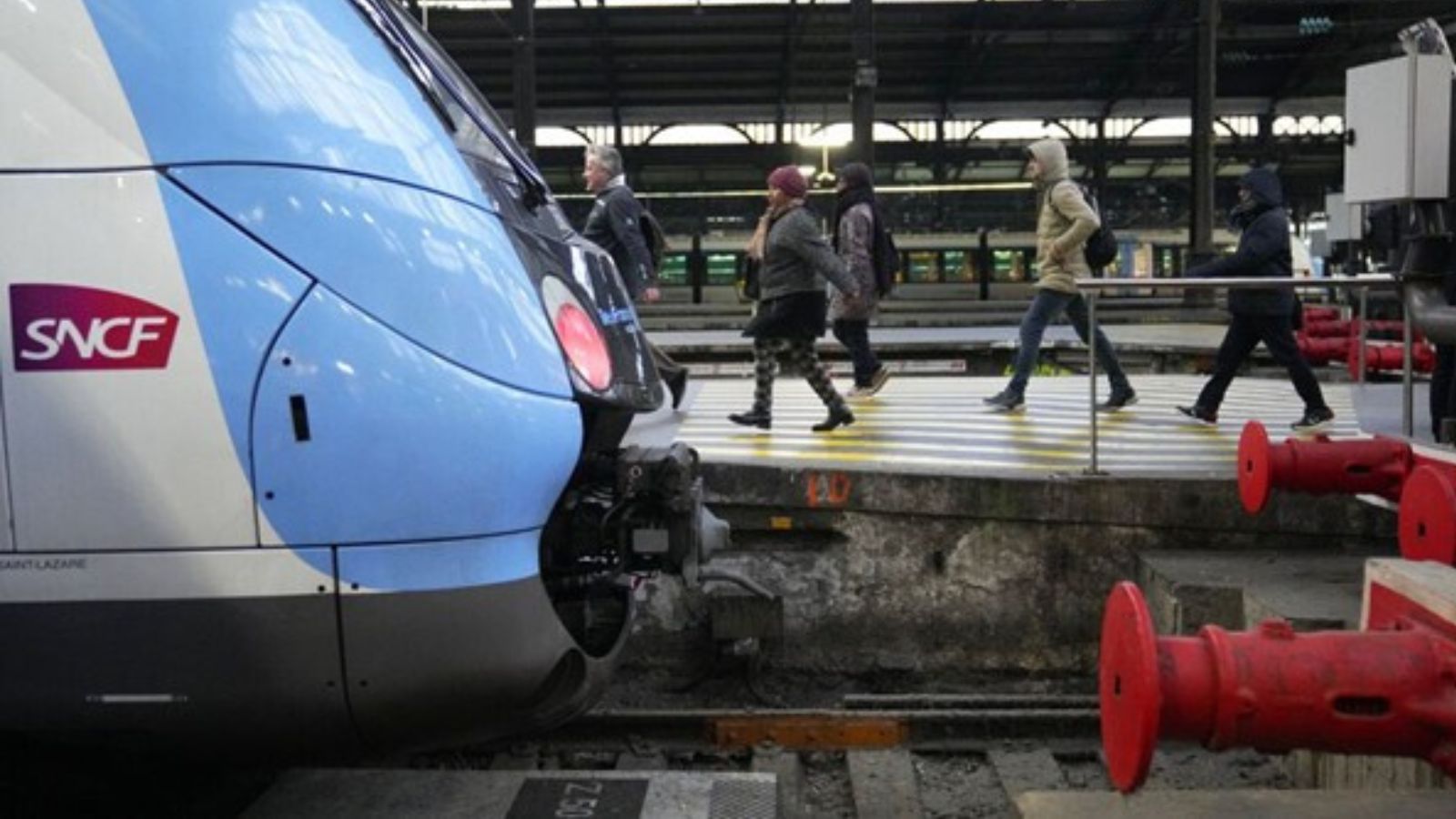
Executive Summary for the Rail Strike in France
Sud Rail has scheduled strike action from 20 February, primarily affecting regional and commuter rail services. Disruption is expected to peak on 20 February, with residual delays possible through 21–22 February. National TGV services are likely to experience limited impact.
- Event Date: 20 February
- Location: Courchevel, Val d’Isère, Chamonix, Grenoble, Gare de Lyon (Paris), France
- Risk Category: Travel Risks
- Severity Level: 3 / 5
- Confidence Score: 75 %
Operational Context
Industrial action by Sud Rail has historically resulted in short duration but concentrated disruption to regional (TER), Transilien, and selected RER suburban services, particularly in and around Paris. Single day strikes typically generate primary disruption within 24 hours, with residual commuter congestion lasting up to 72 hours due to rolling stock repositioning and crew rostering constraints. Long-distance TGV services are generally less affected during limited union actions. Secondary effects include modal shift to buses and taxis, increased urban congestion near major stations, and elevated passenger density at interchange hubs. The current strike falls within established patterns of recurring rail labor disputes during 2024–2026.
Known Hotspots & Sensitive Zones
- High Impact Zones: Île-de-France commuter corridors, including major Paris hubs such as Gare de Lyon and other central interchange stations; regional TER lines serving alpine destinations including Grenoble and Chamonix.
- Medium Impact Zones: Suburban Transilien lines and connecting ski-resort routes (Courchevel, Val d’Isère) where reduced frequency may affect tourism flows.
- Low Impact Zones: Long-distance TGV routes not directly reliant on strike-affected crews.
Recurring strike patterns indicate concentrated disruption at major Paris interchanges, particularly during peak commuter windows.
Impact on Transportation & Services
Reduced frequencies and selective cancellations are anticipated on Transilien, TER, and certain RER suburban services. Passenger overflow is likely to increase congestion on buses, taxis, and private vehicles, particularly near major Paris stations. Airport connectors and regional alpine transit routes may face knock-on delays. Business operations dependent on rail commuting may experience employee absenteeism or late arrivals. Retail and hospitality sectors in central business districts may see temporary reductions in footfall. Rail-linked freight and last-mile logistics may encounter moderate slowdowns, though widespread infrastructure damage is not expected.
Recommended Action
- Organizations should activate a strike response plan, including workforce availability mapping and remote work enablement. Provide flexible start times and approved alternative transport allowances for critical personnel.
- Reschedule non-essential shipments routed through affected hubs and engage alternate carriers where required.
- Maintain proactive customer communications regarding potential service delays.
- Monitor official transport operator updates and local law enforcement advisories.
- Strategically, integrate recurring industrial action scenarios into travel risk management and enterprise resilience planning.
Multi-Dimensional Impact
Increased reliance on road transport may elevate congestion and marginally delay emergency or healthcare staff commuting from rail-dependent suburbs. Political events or large gatherings may also experience reduced attendance due to constrained mobility.
Emergency Contacts
- Emergency Number: 112
- SNCF Passenger Information Services: sncf-connect.com
Situational Outlook
The most likely scenario involves a contained, single-day disruption concentrated on 20 February, with commuter and regional rail services operating on reduced schedules and gradual normalization by 22 February. A moderate escalation scenario could emerge if additional union groups join or rolling strike extensions occur, resulting in multi-day disruption across Île-de-France and selected regional corridors. Severe escalation remains low probability but would require coordinated multi-union participation, potentially leading to sustained commuter paralysis and broader supply chain implications. Current indicators support a moderate but manageable travel risk profile.
Strategic Takeaway
The Sud Rail strike represents a predictable and time-bound travel disruption risk rather than a systemic transport shutdown. However, even short-term commuter rail strikes can materially affect workforce mobility, tourism flows, and urban logistics. Businesses operating in Paris and regional hubs should prioritize flexible staffing models and proactive communication.
Stay ahead of operational risks with real-time alerts, scenario modeling, and expert advisories with datasurfr’s Predict. Start your 14-day free trial of Datasurfr’s Risk Intelligence Platform today.