Operational Context
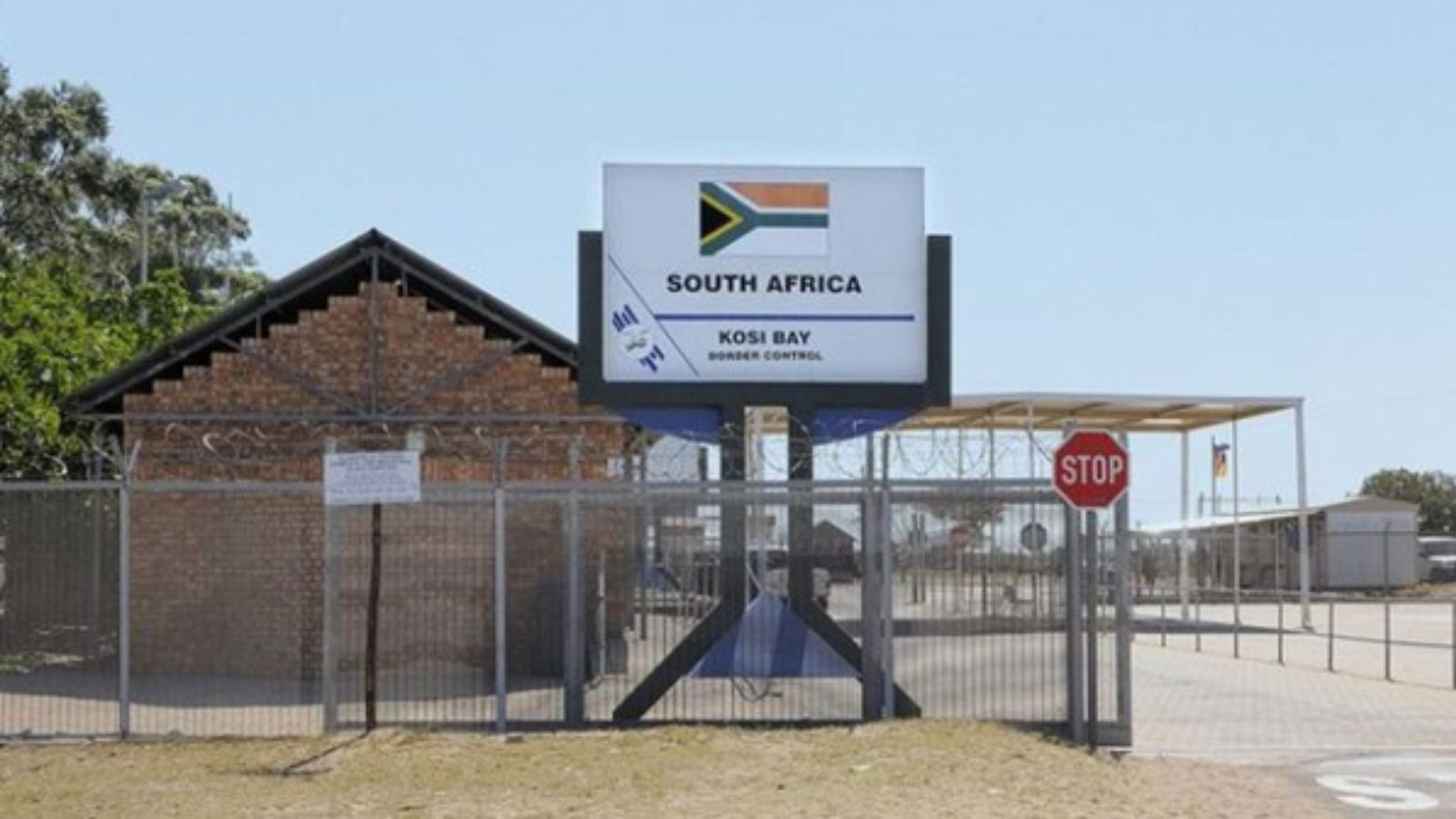
South Africa routinely increases border enforcement during the festive period and in response to cross-border crime, migration surges and regional instability. Historical patterns, including weather-related port suspensions and unrest-driven closures, illustrate the vulnerability of major land crossings such as Beitbridge, Lebombo and Maseru Bridge. These posts are critical hubs linking South Africa to Zimbabwe, Mozambique and Lesotho, forming key components of regional supply chains. Heightened enforcement typically results in longer processing times, extensive queues, delays in cargo movement and increased documentation scrutiny. Although full shutdowns are unlikely without an external shock, temporary lane suspensions and targeted stoppages are common. The current measures mirror previous seasonal spikes, signalling a multi-week enforcement window likely to extend into early January.
Executive Summary
- Event Date 10 December 2025
- Location: South Africa
- Risk Category: External Threats
- Severity Level: 3 / 5
- Confidence Score: 85 %
South Africa has introduced stricter border controls, including enhanced inspections of vehicles, cargo and personal documentation. These measures will likely cause increased dwell time at key border posts and periodic congestion affecting travellers and freight. The enforcement period is expected to last two to six weeks, with moderate operational disruption across cross-border corridors.
Known Hotspots & Sensitive Zones
High-Impact Zones: Beitbridge (Musina, Limpopo), Lebombo/Ressano Garcia (N4 corridor), Maseru Bridge/Caledonspoort (Lesotho boundary).
Medium-Impact Zones: Informal crossing points along the Limpopo River and rural border stretches vulnerable to enforcement sweeps.
Low-Impact Zones: Airports and seaports, which are not the primary focus of these measures.
Seasonal surges during December consistently cause congestion and increased law-enforcement presence.
Impact on Transportation & Services
Major land routes, including the N1, N4 and N8, will experience slower throughput as inspections increase. Commercial freight may face 12 to 72 hours delays during peak windows. Passenger vehicles can expect multi-hour queues. Air and maritime transport remain largely unaffected but may experience minor schedule variations linked to policy shifts. Business operations relying on just-in-time inventory may face setbacks, while document verification requirements increase legal and compliance risk.
Recommended Action
Immediate Measures:
• Establish a border-controls response cell to track crossings, shipments and personnel.
• Pre-verify all documentation (permits, passports, manifests) and maintain digital backups.
• Reroute time-sensitive freight to secondary ports of entry and implement staged warehousing to reduce spoilage or interruption.
• Issue mandatory travel advisories and restrict non-essential staff movement to border zones.
Strategic Measures:
• Build additional lead times into supply chain planning for December–January.
• Maintain active liaison with the Border Management Authority and local police for real-time warnings.
• Strengthen security protocols for high-value cargo held in queues or inspection bays.
Multi-Dimensional Impact
The enforcement surge may indirectly affect unrelated regional activities by diverting police and customs resources, shifting travel patterns and increasing scrutiny on foreign nationals. Airline or diplomatic traffic may experience heightened documentation requirements, though operational impact remains low.
Emergency Contacts
- South African Border Management Authority (BMA): bma.gov.za/
- South African Police Service (SAPS) – Emergency: 10111
- Road Traffic Management Corporation (RTMC): rtmc.co.za/
- Department of Home Affairs: ehome.dha.gov.za
Situational Outlook
Baseline scenario suggests increased inspections and queues, but ports remain open with manageable delays. Moderate escalation may result in partial lane suspensions or temporary stoppages at major posts; delays extend to six to twenty-four hours. Severe outcomes remain unlikely but could involve external shock triggering multi-day closures at one or more land borders, severely disrupting freight and passenger flows.
Strategic Takeaway
Tightened controls will elevate operational and compliance risks through early January, requiring proactive planning and real-time monitoring. Organisations dependent on cross-border movement should use early-warning tools such as MitKat’s Datasurfr to anticipate delays, optimise routing and maintain continuity in a fluid enforcement environment. Stay ahead of operational risks with real-time alerts, scenario modeling, and expert advisories with datasurfr’s Predict. Start your 14-day free trial of Datasurfr’s Risk Intelligence Platform today.