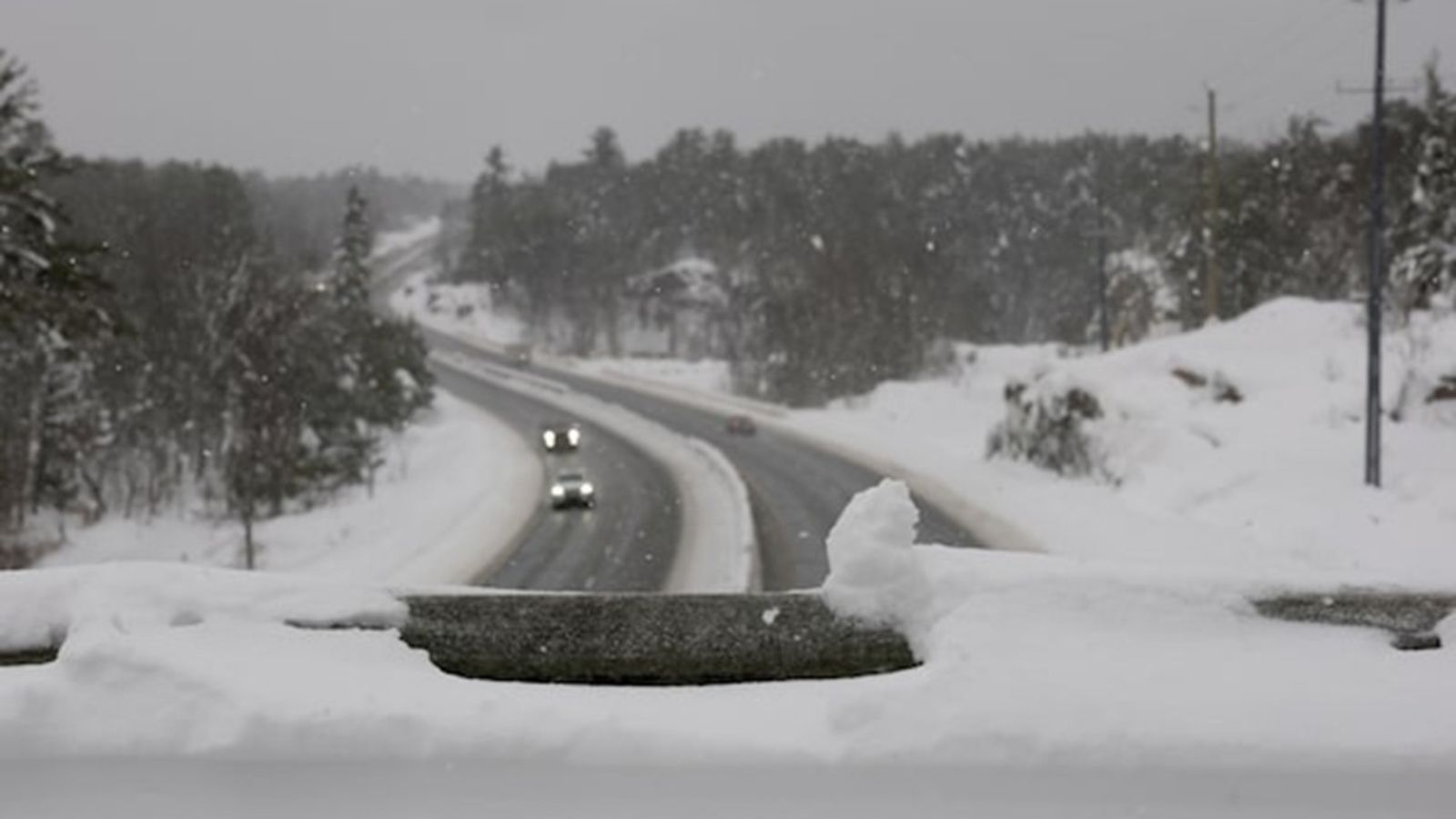
Operational Context
Southern Ontario routinely experiences mid-winter snow systems driven by Arctic air intrusions and lake-effect dynamics. These events frequently disrupt transportation corridors, utilities and workforce mobility, particularly across the Greater Toronto Area, Hamilton and Niagara regions. While infrastructure resilience is generally strong, the combination of heavy localized snowfall, blowing snow and extreme cold increases operational risk for organizations dependent on just-in-time logistics, commuter travel and uninterrupted utilities.
Executive Summary
- Event Date: 18 January
- Location: Southern Ontario, Ontario, Canada
- Risk Category: Environment
- Severity Level: 3 / 5
- Confidence Score: 85 %
Forecast guidance from Environment Canada indicates a winter storm system delivering accumulative snow and an Arctic cold push across southern Ontario between 18–19 January. Peak impacts are expected within the first 24 hours, with lingering disruption possible into Monday evening. Severity is moderate, reflecting likely travel disruption and localized utility impacts rather than widespread infrastructure failure.
Current Updates
Environment Canada has issued winter weather advisories and warnings for parts of southern Ontario, including the Greater Toronto Area, Hamilton and Niagara. Transit agencies and airport operators are implementing preparatory measures, while road condition services are advising caution and potential travel delays during peak snowfall bands and snow squalls.
Known Hotspots & Sensitive Zones
- High Impact Zones: Highway 401 corridors, the Queen Elizabeth Way between Hamilton and Niagara, Toronto Pearson International Airport and major GO Transit lines.
- Medium Impact Zones: Gardiner Expressway and Don Valley Parkway.
- Low Impact Zones: Interior residential zones with slower but manageable conditions.
These risks recur seasonally during January and February cold-air outbreaks.
Impact on Transportation & Services
Road transportation is expected to experience reduced speeds, temporary closures and collision risk during peak snowfall. Air services at Toronto Pearson and regional airports may face delays or cancellations, while commuter rail and bus services could operate on modified schedules. Business operations may be disrupted by delayed staff arrivals, constrained deliveries and reduced retail footfall. Communications systems are expected to remain largely functional, though localized outages are possible due to weather-related power interruptions.
Recommended Action
- Organizations should activate winter weather response plans, enable remote work for non-essential staff and restrict travel during peak snow squall periods.
- Facilities teams should verify heating systems, backup power and snow removal readiness.
- Supply chains should identify alternate routes and pre-stage critical inventory.
- Coordination with Environment Canada advisories, Ontario 511 road updates and local emergency services is recommended to support informed decision-making.
Multi-Dimensional Impact
Prolonged cold and snow may strain municipal snow-clearing capacity, elevate health risks for vulnerable populations and increase demand for warming centres. Outdoor events and gatherings scheduled during the impact window may see cancellations or reduced attendance.
Emergency Contacts
- Emergency Services: 112
- Ontario Road Conditions: 511on.ca/
- Weather Alerts: weather.gc.ca/
Situational Outlook
The most likely outlook involves widespread but manageable snowfall of five–20 cm with localized heavier bands, causing intermittent travel disruption and minor service delays. A moderate escalation could see persistent snow squalls producing higher accumulations and multi-hour highway or airport disruptions, while a severe, prolonged cold and snow scenario remains lower probability but would significantly stress transport and utility systems.
Strategic Takeaway
This winter weather event represents a predictable, moderate environmental risk for southern Ontario. Proactive planning, flexible work arrangements and real-time monitoring are essential to reduce safety and continuity impacts. Early-warning and preparedness platforms such as MitKat’s Datasurfr can help organizations anticipate weather-driven disruptions and strengthen operational resilience during recurring winter storm conditions. Stay ahead of operational risks with real-time alerts, scenario modeling, and expert advisories with datasurfr’s Predict. Start your 14-day free trial of Datasurfr’s Risk Intelligence Platform today.