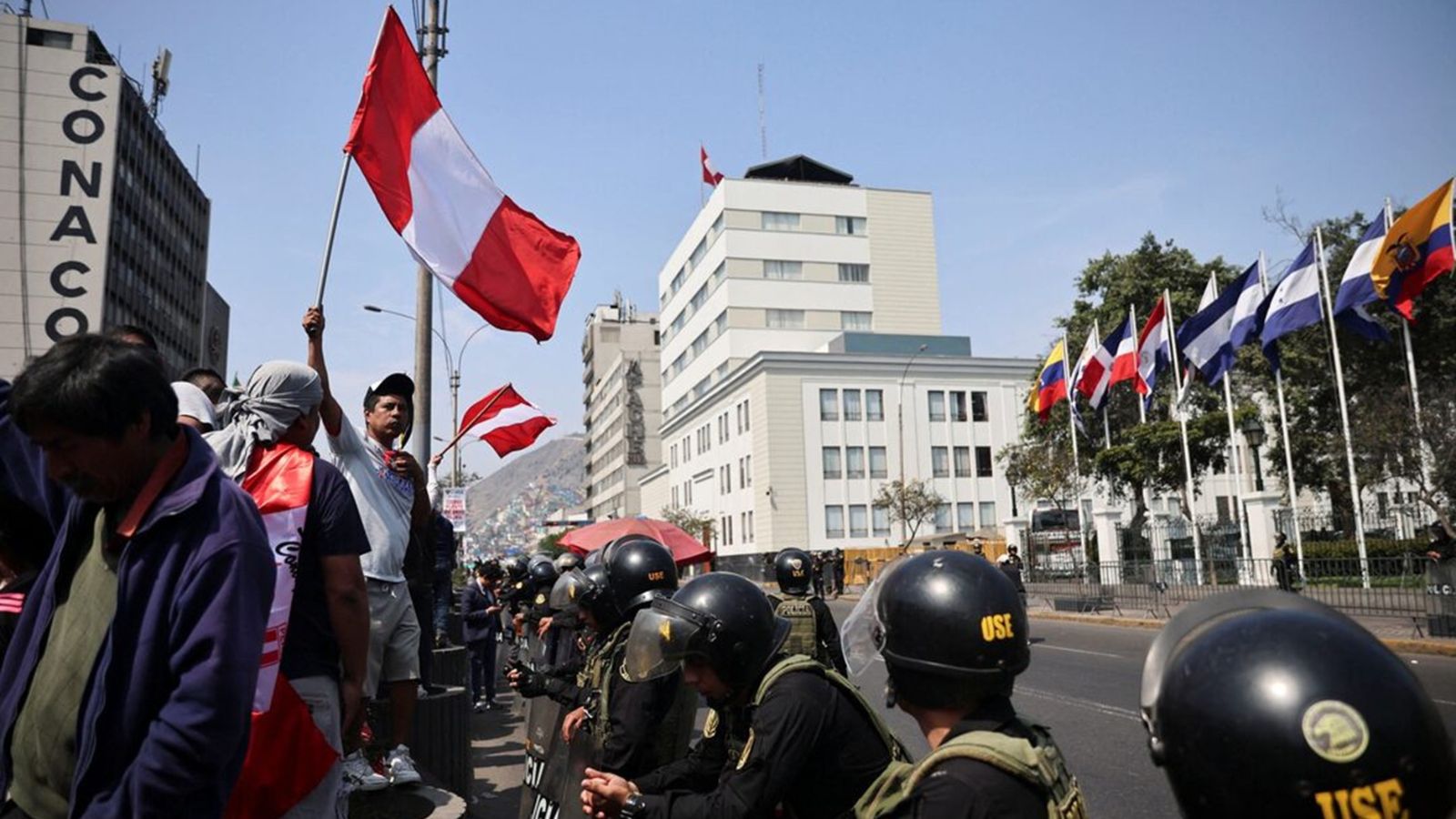
Operational Context
Lima’s transport sector has a history of volatile industrial action triggered by security incidents, extortion, and policy disputes. Strikes often begin as “symbolic” protests but have repeatedly evolved into citywide shutdowns, as seen during the April 2025, August 2025, and October 2024 stoppages. These actions typically lead to road blockades, suspension of Metropolitano and Corredores services, and sporadic violence between strikers, police, and private drivers. The current protest, following the murder of a transport driver, amplifies long-standing tensions over driver safety and government inaction.
Executive Summary
- Date of Event: 29 October 2025
- Location: Lima, Peru
- Risk Category: Civil Disturbance
- Severity Level: 4 / 5
- Confidence Score: 85 %
A transport workers’ strike is scheduled for Wednesday, 29 October, in response to the murder of a driver, symbolizing deep-rooted discontent over extortion and insecurity in Lima’s public transport system. The action, though labeled “symbolic,” is expected to cause major mobility paralysis across Lima and Callao, with potential road blockades, violent clashes, and extensive service disruption.
The strike could last 1–2 days, with spillover effects if violence escalates or if government intervention provokes union backlash.
Current Updates
Transport unions have confirmed participation across Lima’s Metropolitan and peripheral districts, demanding stronger police protection for drivers. The Ministry of Transport (MTC) has issued public advisories urging calm and promising rapid-response security operations. The Autoridad de Transporte Urbano (ATU) has warned of likely Metropolitano and Corredores service reductions, while informal combi drivers and cargo truck unions have signaled solidarity.
Known Hotspots & Sensitive Zones
- Primary Disruption Corridors:
Via Expresa de Paseo de la República, Costa Verde, Avenida Abancay, Panamericana Sur, Lima Norte arteries (Los Olivos, Independencia) - Sensitive Areas:
Plaza de Armas, Gran Terminal Terrestre Plaza Norte, Callao Port Corridor, Miraflores, San Isidro, San Juan de Miraflores - High-Risk Zones:
San Juan de Miraflores, El Agustino, and Callao known for extortion-linked violence and flashpoints during past strikes.
Impact on Transportation & Services
- Road Transport: Severe gridlock and blockades; high risk of vehicle vandalism against non-strikers.
- Public Transport: Possible suspension or major delays of Metropolitano and Corredores; Metro de Lima service intermittently affected.
- Employee Mobility: 40–60% absenteeism possible; significant delays in commuting.
- Supply Chain: Delays in deliveries, increased transport costs, and risk of perishable goods loss.
- Safety: Heightened risk of assaults or altercations at checkpoints and during road closures.
Recommendations
- Operational Continuity:
- Enforce remote work for all non-essential staff on 29 October.
- For essential roles, provide secure shuttle transport from pre-identified safe pickup zones.
- Logistics Management:
- Advance or delay shipments around the strike date; avoid dispatching vehicles through central corridors.
- Coordinate with warehousing partners to stockpile critical goods before October 28.
- Security Measures:
- Relocate vehicles from public roads to secured depots.
- Enhance site security and limit after-dark movement for personnel.
- Communications & Monitoring:
- Activate a strike monitoring team to relay verified updates from ATU, MTC, and PNP.
- Establish clear employee reporting protocols for safety check-ins.
- Communicate anticipated service impacts to clients, with alternative engagement plans (virtual meetings, deferred visits).
Multi-Dimensional Impact
The strike will severely disrupt mobility and logistics, with economic losses stemming from halted deliveries, reduced retail footfall, and increased operating costs. While not expected to destabilize governance, escalation into violence could trigger curfews or emergency declarations, especially if protests spread to Callao or regional hubs.
Social cohesion remains fragile – public sympathy for transport workers is high, but frustration over recurrent disruptions could turn sentiment volatile.
Situation Outlook
Over the next 48–96 hours, transportation and civil activity in the Lima–Callao region are expected to face varying levels of disruption due to the ongoing strike. The baseline scenario (60%) anticipates a largely symbolic protest featuring sporadic blockades, with partial Metropolitano service maintained and moderate traffic congestion across key routes. A moderate escalation (30%) could see the strike extend further, resulting in a complete suspension of public transport services, isolated clashes, and delayed government mediation efforts. In a severe case (10%), widespread violence and highway blockades may erupt, prompting the government to impose a state of emergency and curfew across the Lima–Callao corridor to restore order.
Emergency & Monitoring Channels
- Police: 105
- Fire: 116
- Ambulance: 106
- Authorities:
Strategic Takeaway
Treat Lima and Callao as high-disruption zones from 29 – 30 October. Implement remote operations, reinforce security at facilities, and coordinate proactive logistics rerouting. Maintain close liaison with ATU and PNP updates to avoid conflict-prone corridors. Stay ahead of operational risks with real-time alerts, scenario modeling, and expert advisories with datasurfr’s Predict. Start your 14-day free trial of Datasurfr’s Risk Intelligence Platform today.