Operational Context
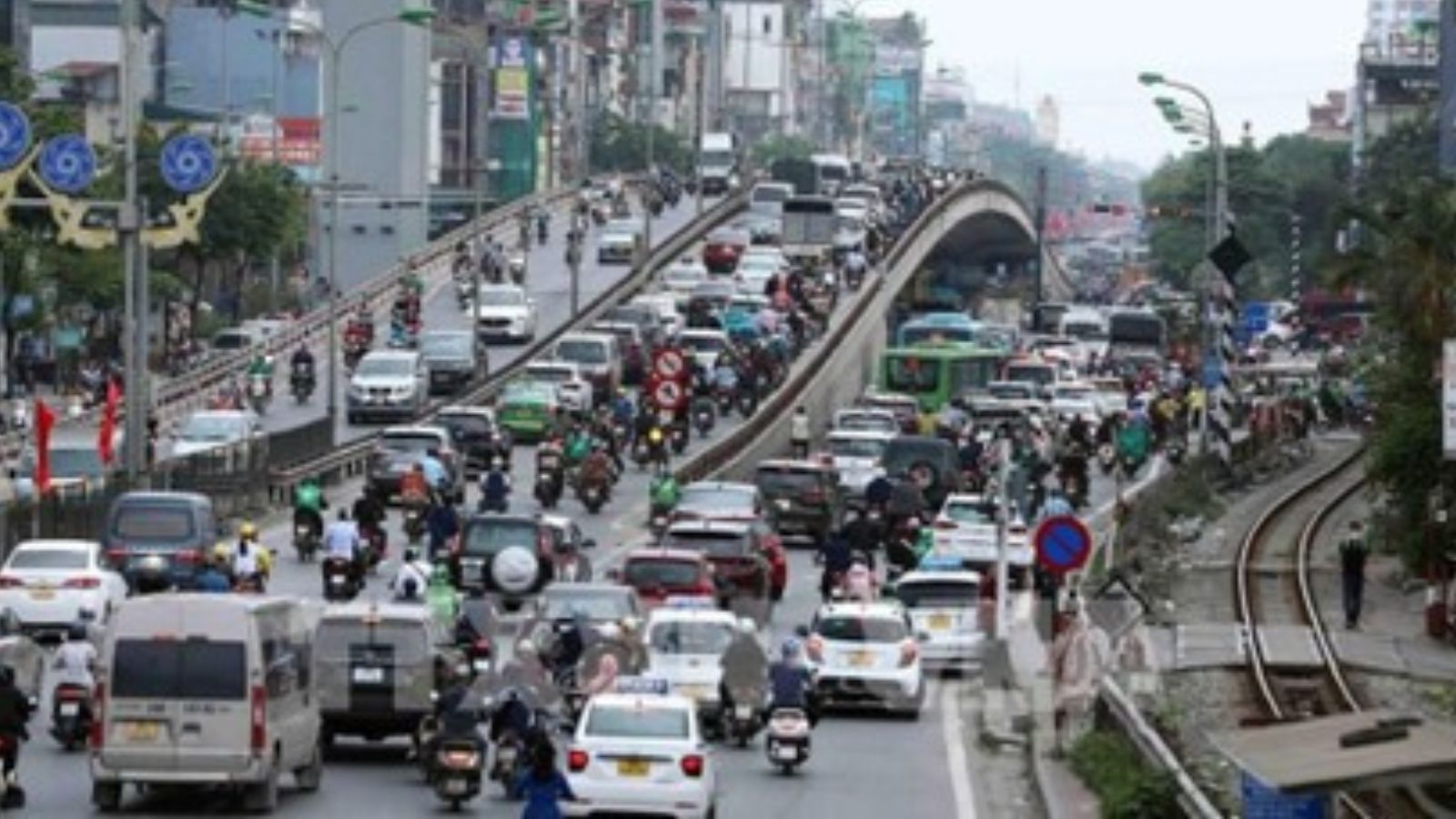
Hanoi routinely enforces large-scale traffic restrictions during high-profile national and state events. The city’s dense urban layout, high reliance on road transport and concentration of government offices and commercial activity in central districts amplify the impact of even short-term diversions. While enforcement is typically orderly and pre-announced, cascading congestion and access limitations frequently affect commuter movement, logistics schedules and service delivery.
Executive Summary
- Event Date: 26-27 December
- Location: Hanoi, Vietnam
- Risk Category: Travel Risks
- Severity Level: 3 / 5
- Confidence Score: 88 %
Authorities have announced traffic restrictions and diversions across Hanoi on 26–27 December to support the 11th National Emulation Congress. Disruption is expected to last 24–48 hours, with peak congestion during VIP movements. Impacts are likely to be localized but significant for central districts, affecting commuter access, deliveries and tourism-related activity.
Current Updates
Official notices confirm temporary road closures, designated VIP corridors and public transport rerouting across central Hanoi. Enforcement will be led by Hanoi traffic police with checkpoints and barriers. No security incidents or unrest have been reported, and measures align with established protocols for similar state events.
Known Hotspots & Sensitive Zones
- High Impact Zones: Ba Dinh District, including streets surrounding government and ceremonial venues; key arteries such as Le Duan, Dien Bien Phu, Hung Vuong and adjacent feeder roads.
- Medium Impact Zones: Hoan Kiem District, including Old Quarter approaches, hotels and commercial zones affected by diversion spillover.
- Low Impact Zones: Peripheral districts outside the central enforcement perimeter.
Such restrictions recur during major political and national events, with predictable congestion patterns.
Impact on Transportation & Services
Road traffic will experience diversions, lane closures and vehicle bans on selected corridors, increasing journey times by an estimated 20–60 percent in affected areas. Bus routes will be rerouted, while taxi and ride-hailing access near sealed zones will be limited. Airport access may see secondary congestion during peak periods. These measures may disrupt office attendance, retail footfall and time-sensitive deliveries but are unlikely to affect utilities or digital services.
Recommended Action
- Organizations should activate pre-approved traffic diversion plans, reroute logistics through alternative corridors and adjust delivery windows.
- Non-essential travel to central districts should be deferred, with remote work or staggered shifts encouraged.
- Coordination with local traffic police and continuous monitoring of official advisories are recommended to maintain situational awareness.
Multi-Dimensional Impact
Traffic restrictions may delay unrelated municipal works or emergency logistics staged in central Hanoi and temporarily reduce tourism and retail activity in affected precincts.
Emergency Contacts
- Emergency Services (Ambulance/Police/Fire): 112/113/114
- Hanoi People’s Committee: (024) 38253536
Situational Outlook
The most likely scenario, with a probability of sixty-five percent, is the orderly implementation of announced traffic restrictions, resulting in short-term congestion, rerouted public transport and manageable delays to commuting and deliveries in central Hanoi. A moderate escalation scenario, assessed at twenty-five percent, could involve extended enforcement or coinciding events that strain diversion routes, leading to prolonged congestion and higher staff absenteeism. A severe escalation, with a ten percent probability, would stem from an unplanned incident or concurrent protest, triggering extended cordons, wider transport disruption and temporary suspension of some business activities.
Strategic Takeaway
The risk trajectory indicates controlled but operationally relevant travel disruption through 27 December. Businesses with exposure in central Hanoi should prioritize advance communication, flexible scheduling and real-time monitoring. Leveraging early-warning and mobility intelligence tools such as MitKat’s Datasurfr can support proactive planning and minimize business continuity impacts during planned urban security operations.
Stay ahead of operational risks with real-time alerts, scenario modeling, and expert advisories with datasurfr’s Predict. Start your 14-day free trial of Datasurfr’s Risk Intelligence Platform today.