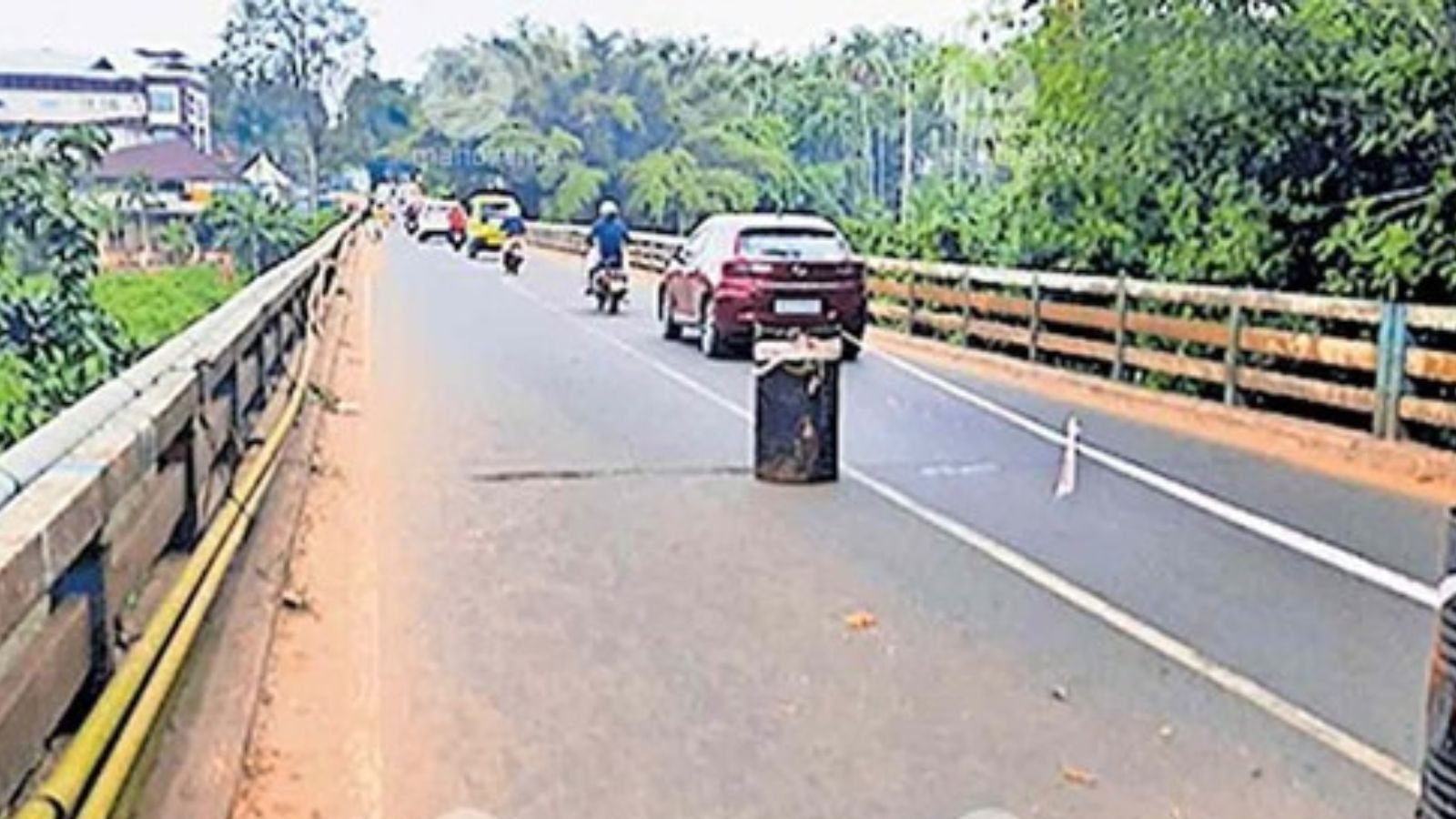
Operational Context
The Thiruvegapura bridge is a key local connector supporting daily commuter movement, school transport, public bus routes and last-mile logistics within Malappuram district. Planned bridge repair closures are a recurring feature across Kerala’s road network, particularly during post-monsoon inspection cycles. While such closures are typically managed through diversions, they create predictable congestion, higher operating costs for small businesses and increased exposure to road safety risks at temporary junctions. The January timing aligns with routine traffic normalization after year-end travel but remains sensitive due to school reopening schedules and regional commercial activity.
Executive Summary
- Event Date: 01 January
- Location: Thiruvegapura, Malappuram district, Kerala, India
- Risk Category: Travel Risks
- Severity Level: 3/ 5
- Confidence Score: 85 %
Authorities have ordered a full closure of the Thiruvegapura bridge for repair works beginning 01 January 2026, with an expected duration of approximately one month. The impact is assessed as moderate, involving localized congestion, bus-route diversions and delivery delays rather than district-wide disruption. Historical precedents suggest a likely repair window of three to six weeks, with a lower-probability extension if additional structural issues are identified.
Current Updates
District authorities and the Public Works Department have announced the closure and published preliminary traffic diversions, advising motorists to use alternate local routes. No injuries, evacuations or emergency incidents have been reported at the time of announcement. Traffic police are coordinating signage, enforcement and on-ground management at diversion points.
Known Hotspots & Sensitive Zones
- High-impact zones: Immediate bridge approaches, feeder roads and Malappuram town junctions handling diverted traffic, including bus stand approaches and nearby commercial streets.
- Medium-impact areas: School routes, hospital access roads and local markets reliant on through-traffic.
- Low Impact Zones: Areas with limited dependence on the Thiruvegapura crossing.
Such congestion patterns have recurred during past bridge closures in Malappuram and adjacent districts, particularly during peak commuting hours.
Impact on Transportation & Services
Road transport will face the most significant impact, with private vehicles, KSRTC buses and freight traffic rerouted to narrower local roads or longer state highway detours. Travel times are expected to increase during peak hours, affecting employee commutes and delivery schedules. Rail, air and digital services are not directly impacted, though business operations dependent on timely road access may experience higher logistics costs and scheduling adjustments.
Recommended Action
- Organizations should map and disseminate alternate routes, adjust delivery timelines and update GPS or transport management systems to reflect diversions.
- Employers may consider flexible work hours, shuttle arrangements or temporary remote work to reduce commuter strain.
- Coordination with district police and the PWD for real-time updates is advised.
- Over the longer term, businesses should incorporate infrastructure-closure scenarios into continuity planning for recurring repair cycles.
Multi-Dimensional Impact
While no directly related events are affected, broader regional congestion may indirectly strain inter-district bus services and mobile public-service delivery, including health and administrative outreach, requiring micro-level route adjustments.
Emergency Contacts
- Emergency Number (Police/Ambulance/Fire): 100/108/101
Situational Outlook
The most probable scenario is a managed, time-bound closure lasting approximately one month, with congestion contained through diversions and incremental schedule adjustments by commuters and businesses. A moderate escalation could occur if repairs extend due to structural findings or weather-related delays, while a severe, prolonged disruption remains low probability unless compounded by concurrent failures on nearby arterial routes.
Strategic Takeaway
The Thiruvegapura bridge closure represents a moderate but predictable travel risk with localized economic and mobility implications. Proactive route planning, clear communication and coordination with authorities will be critical to minimizing disruption. Continuous monitoring and early-warning capabilities through preparedness tools such as MitKat’s Datasurfr can support timely operational decisions during infrastructure repair cycles.
Stay ahead of operational risks with real-time alerts, scenario modeling, and expert advisories with datasurfr’s Predict. Start your 14-day free trial of Datasurfr’s Risk Intelligence Platform today.