Operational Context
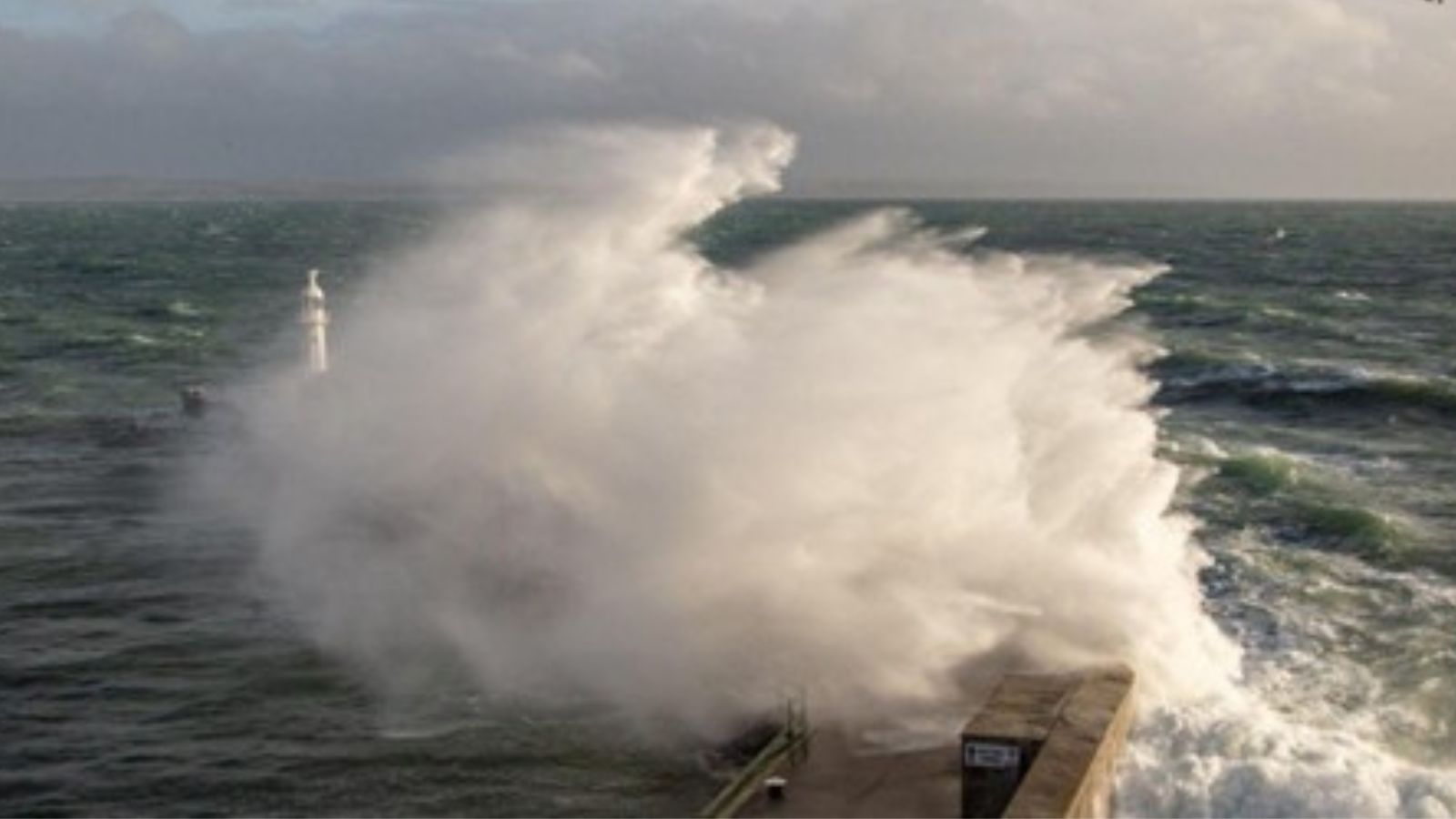
Winter wind and rainstorms are a recurrent operational risk for the United Kingdom, particularly for Scotland, Northern Ireland and western coastal regions where exposure to Atlantic systems is highest. Fast-moving deep lows such as Storm Chandra typically generate concentrated disruption over a one-to-three-day window, with the most significant impacts occurring during peak wind gusts and periods of intense rainfall. Historical comparators demonstrate that while national-scale outages are uncommon, localized transport paralysis, power interruptions and flood-related access issues can materially affect logistics, utilities, retail operations and emergency response capacity.
Executive Summary
- Event Date: 27 January
- Location: Scotland, Northern Ireland and parts of northern England, United Kingdom
- Risk Category: Environment
- Severity Level: 3 / 5
- Confidence Score: 75 %
Storm Chandra is affecting northern and western parts of the UK with strong winds, heavy rain and localized wintry conditions. The primary impact window is expected to last 18–36 hours, with residual flooding and coastal disruption extending up to 72 hours in exposed areas. Impacts are likely to be moderate but operationally significant, particularly for transport, utilities and workforce mobility.
Current Updates
As of 27 January, Met Office warnings remain in place for wind and rain across Scotland and Northern Ireland, with snow risk on higher ground. Reports indicate hazardous driving conditions, ferry service interruptions on west coast routes and monitoring of river levels in western catchments. No national emergency declarations have been issued, but local authorities and emergency services are actively monitoring conditions.
Known Hotspots & Sensitive Zones
- High-impact zones: Western and northern Scotland, notably the Highlands, Argyll and Bute, and exposed coastal communities, as well as parts of Northern Ireland facing strong gusts and heavy rain.
- Medium-impact areas: Urban centres such as Edinburgh and Glasgow where transport disruption is likely but flooding risk is lower.
- Low-impact areas: Inland and sheltered regions experiencing reduced wind exposure.
Seasonal recurrence is high, with similar storm impacts observed most winters.
Impact on Transportation & Services
Road networks face disruption from fallen trees, debris and surface water, particularly on the A9, A82, A90 and M8 corridors. Rail services may impose speed restrictions or cancellations on exposed routes, while ferry services are vulnerable to suspension during peak gusts. Regional airports, including Aberdeen and Inverness, may experience delays due to crosswinds. Localized power outages and telecom interruptions are possible where overhead infrastructure is damaged, affecting business operations and access to digital services.
Recommended Action
- Organizations should activate short-duration severe weather protocols, including remote work policies, suspension of non-essential travel and asset protection measures.
- Critical sites should verify backup power readiness and drainage capacity.
- Logistics operators are advised to reroute deliveries away from warned areas and maintain close coordination with transport authorities, emergency services and utility providers.
Multi-Dimensional Impact
No unrelated concurrent events have been identified. However, emergency response capacity may be stretched by weather-related incidents, potentially affecting response times for unrelated emergencies in affected regions.
Emergency Contacts
- Emergency Services: 112/999
- Met Office: metoffice.gov.uk/
Situational Outlook
The most likely scenario is that Storm Chandra produces intermittent but manageable disruption, with transport delays, localized flooding and short-duration power outages. A moderate escalation could occur if rainfall persists over saturated catchments or wind impacts intensify along exposed coasts, while a severe escalation remains less likely but would significantly strain transport and utility networks.
Strategic Takeaway
Storm Chandra presents a moderate environmental risk with clear implications for mobility, utilities and operational continuity across northern and western UK regions. Continuous monitoring of forecasts, proactive workforce and logistics planning, and the use of early-warning and impact intelligence platforms such as MitKat’s Datasurfr will be critical in reducing disruption and safeguarding people and assets during the event window. Stay ahead of operational risks with real-time alerts, scenario modeling, and expert advisories with datasurfr’s Predict. Start your 14-day free trial of Datasurfr’s Risk Intelligence Platform today.