Operational Context
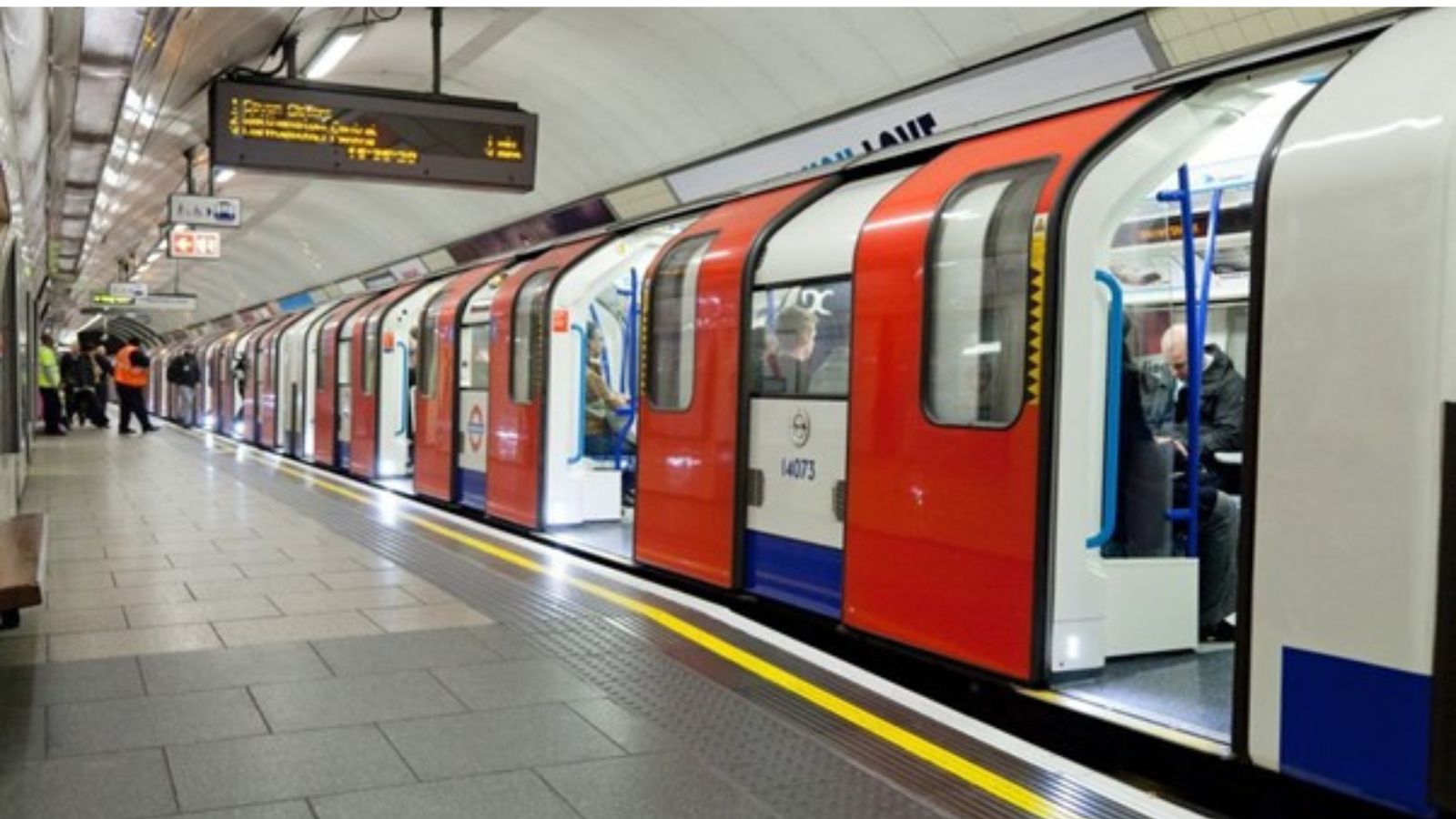
London’s transport network experiences recurring large-scale engineering blocks during holiday periods to facilitate critical rail maintenance. The Waterloo–Vauxhall corridor is one of the busiest commuter gateways into central London, serving business districts, retail hubs and major event venues. Extended closures during the festive and New Year period amplify risk due to sustained passenger volumes, reduced workforce availability and reliance on road-based replacement transport, which is vulnerable to congestion and weather conditions.
Executive Summary
- Event Date: 27 December – 04 January
- Location: London, England, United Kingdom
- Risk Category: Travel Risks
- Severity Level: 4/ 5
- Confidence Score: 85 %
South Western Railway has scheduled nine days of engineering works from 27 December to 04 January, suspending or significantly altering services through London Waterloo, Vauxhall and adjacent junctions. Historical precedent indicates extended journey times, high congestion on arterial roads and heavy reliance on rail replacement buses. While safety risk remains low, mobility and business disruption is assessed as moderate to high.
Current Updates
SWR and Network Rail have confirmed station closures and revised timetables affecting Waterloo, Vauxhall, Queenstown Road and Nine Elms. Rail replacement bus services and coordination with Transport for London are in place. No safety incidents linked to the works have been reported, and inter-agency operational briefings continue ahead of the New Year period.
Known Hotspots & Sensitive Zones
- High-impact zones: London Waterloo station, Vauxhall interchange, Nine Elms junction, Queenstown Road and the A3 approaches into central London.
- Medium-impact areas: Clapham Junction interchange routes, Westminster Bridge Road and South Lambeth Road corridors affected by replacement buses.
- Low-impact areas: Peripheral districts with limited reliance on Waterloo services.
Seasonal recurrence is notable, as winter engineering blocks frequently coincide with holiday travel surges.
Impact on Transportation & Services
Rail services into Waterloo will be fully or partially suspended, with diversions and termination at alternative interchanges. Replacement buses will increase pressure on surrounding roads, contributing to congestion and extended travel times of 30–90 minutes. TfL Underground and bus services are likely to experience overcrowding, indirectly affecting business attendance, retail footfall and last-mile logistics into central London.
Recommended Action
- Organizations should activate transport continuity plans, promote remote working and staggered shifts, and provide staff with clear guidance on alternative routes.
- Time-sensitive deliveries should be rescheduled or rerouted away from affected corridors.
- Close monitoring of SWR, Network Rail and TfL advisories is recommended, alongside coordination with local borough councils and police for crowd and traffic management.
Multi-Dimensional Impact
The disruption overlaps with New Year’s Eve activity, potential industrial action and seasonal weather risks, increasing pressure on policing, emergency response and private-hire transport capacity.
Emergency Contacts
- South Western Railway: southwesternrailway.com
- Transport for London: tfl.gov.uk/
- Emergency Number: 999
Situational Outlook
The most likely scenario, with a probability of sixty-five percent, is that engineering works proceed as planned, causing sustained but managed disruption through rail replacement services, increased road congestion and longer journey times. A moderate escalation, assessed at twenty-five percent, could occur if adverse weather or concurrent industrial action slows replacement transport and strains alternative routes, resulting in wider delays and passenger welfare issues. A severe escalation scenario, at ten percent probability, would involve compounding factors such as major weather events or security incidents, leading to saturated road networks, extended service suspensions and heightened operational and reputational impact.
Strategic Takeaway
The risk trajectory points to prolonged but predictable travel disruption through early January. Businesses and policymakers should focus on proactive communication, flexible operations and real-time monitoring. Leveraging early-warning and mobility intelligence platforms such as MitKat’s Datasurfr can strengthen preparedness, reduce uncertainty and support continuity during extended urban transport disruptions.
Stay ahead of operational risks with real-time alerts, scenario modeling, and expert advisories with datasurfr’s Predict. Start your 14-day free trial of Datasurfr’s Risk Intelligence Platform today.