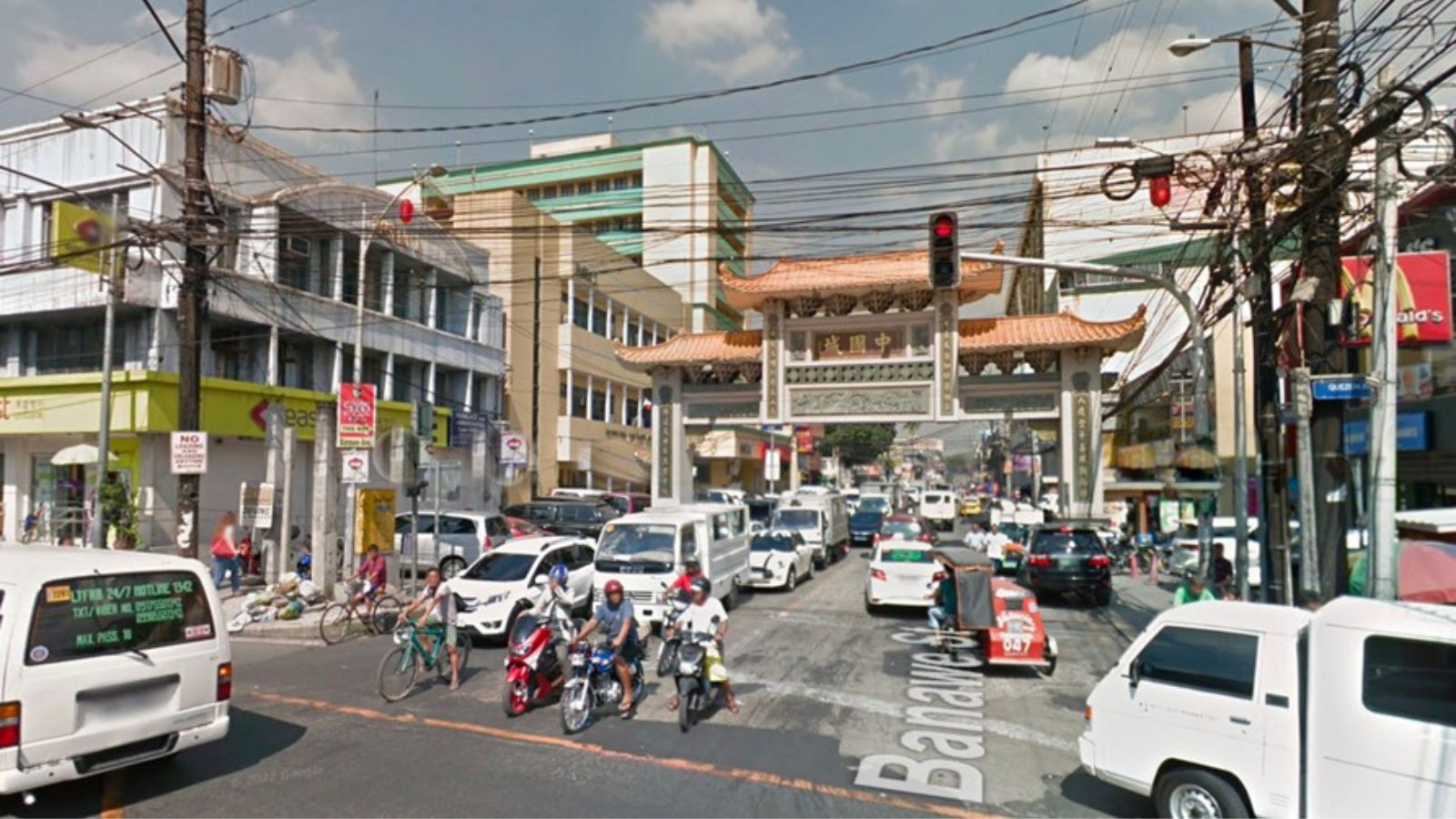
Executive Summary for the Road Closures in Quezon City
Quezon City authorities will implement temporary road closures on 17–18 February in connection with Chinese New Year activities. Anticipated impacts include traffic rerouting, congestion along alternative corridors, and delivery delays. Severity is moderate and localized, with disruption expected to peak during event hours and commuter rush periods.
- Event Date: 17 February
- Location: Quezon City, Metro Manila, Philippines
- Risk Category: Travel Risks
- Severity Level: 3 / 5
- Confidence Score: 78 %
Operational Context
Scheduled road closures in Metro Manila during festivals and civic events typically generate short duration but concentrated traffic disruption. Based on historical patterns from similar Chinese New Year celebrations and reblocking activities in Quezon City, congestion intensifies within 24 hours of implementation and may persist up to 72 hours due to spillover onto alternative corridors. Closures are usually supported by barricades, rerouting schemes, and traffic enforcers deployed by city authorities. While public safety incidents are generally minor, elevated pedestrian density and compressed vehicle flow increase accident and emergency response risks. Businesses operating at street level and those reliant on last-mile logistics are most exposed to operational friction.
Known Hotspots & Sensitive Zones
- High-impact zones: Banawe Street corridor, NS Amoranto Street, Del Monte Avenue intersections, and streets within the Quezon City Chinatown footprint where festivities and crowd control measures are concentrated.
- Medium-impact areas: Alternative arterial routes including Quezon Avenue, North Avenue, and feeder roads connecting to EDSA, which are likely to absorb diverted traffic.
- Low-impact areas: Peripheral barangays outside the closure grid, though indirect congestion is possible during peak hours.
Historical recurrence during holiday events shows predictable rerouting patterns and increased congestion along major transport hubs near commercial centers.
Impact on Transportation & Services
Road closures will restrict vehicle access across specified streets, leading to bus and jeepney rerouting and longer travel times. Increased passenger load at MRT/LRT feeder points near North Avenue and Quezon Avenue may cause queuing delays. Last-mile deliveries are likely to face one to three-hour slippages, particularly for businesses within closure perimeters. Access to storefronts, loading bays, and curbside parking will be temporarily limited. Communications and utilities are expected to remain stable, with no anticipated infrastructure damage from the planned closures.
Recommended Action
- Organizations should implement short-term traffic advisory protocols and notify staff and customers at least 24 hours prior to peak disruption.
- Adjust shift schedules to avoid rush-hour closures and pre-arrange alternate delivery routes using approved arterial detours.
- Secure mobile assets and relocate vehicles outside closure zones before enforcement begins.
- Designate a single point of contact to monitor Quezon City traffic advisories and coordinate with the Metropolitan Manila Development Authority for real-time updates.
- For critical operations, establish contingency service windows and update service-level agreements where required.
Multi-Dimensional Impact
Elevated crowd density linked to Chinese New Year celebrations may increase minor medical incidents and strain emergency response resources. Concurrent incidents in Metro Manila could compound traffic congestion and marginally extend response times.
Emergency Contacts
- Emergency Number: 911
- Metropolitan Manila Development Authority: mmda.gov.ph/
Situational Outlook
The most probable scenario over 17–18 February involves controlled and time-bound road closures with manageable congestion and predictable rerouting. Moderate escalation could occur if crowd turnout exceeds expectations, resulting in sustained congestion along Quezon Avenue and North Avenue corridors and multi-hour delivery delays. Severe escalation remains unlikely but would involve an unplanned emergency such as a fire or crowd-control incident prompting wider lockdowns and extended transport disruption. Overall, impacts are expected to remain localized and reversible within 48–72 hours of event completion.
Strategic Takeaway
The Quezon City road closures present a short duration but operationally relevant travel disruption risk. Businesses should prioritize proactive mobility planning, stakeholder communication, and alternate routing strategies to mitigate supply chain and workforce impacts. Continuous monitoring of official advisories and leveraging early warning platforms such as MitKat’s Datasurfr will strengthen situational awareness and support agile response during planned urban traffic management events. Stay ahead of operational risks with real-time alerts, scenario modeling, and expert advisories with datasurfr’s Predict. Start your 14-day free trial of Datasurfr’s Risk Intelligence Platform today.