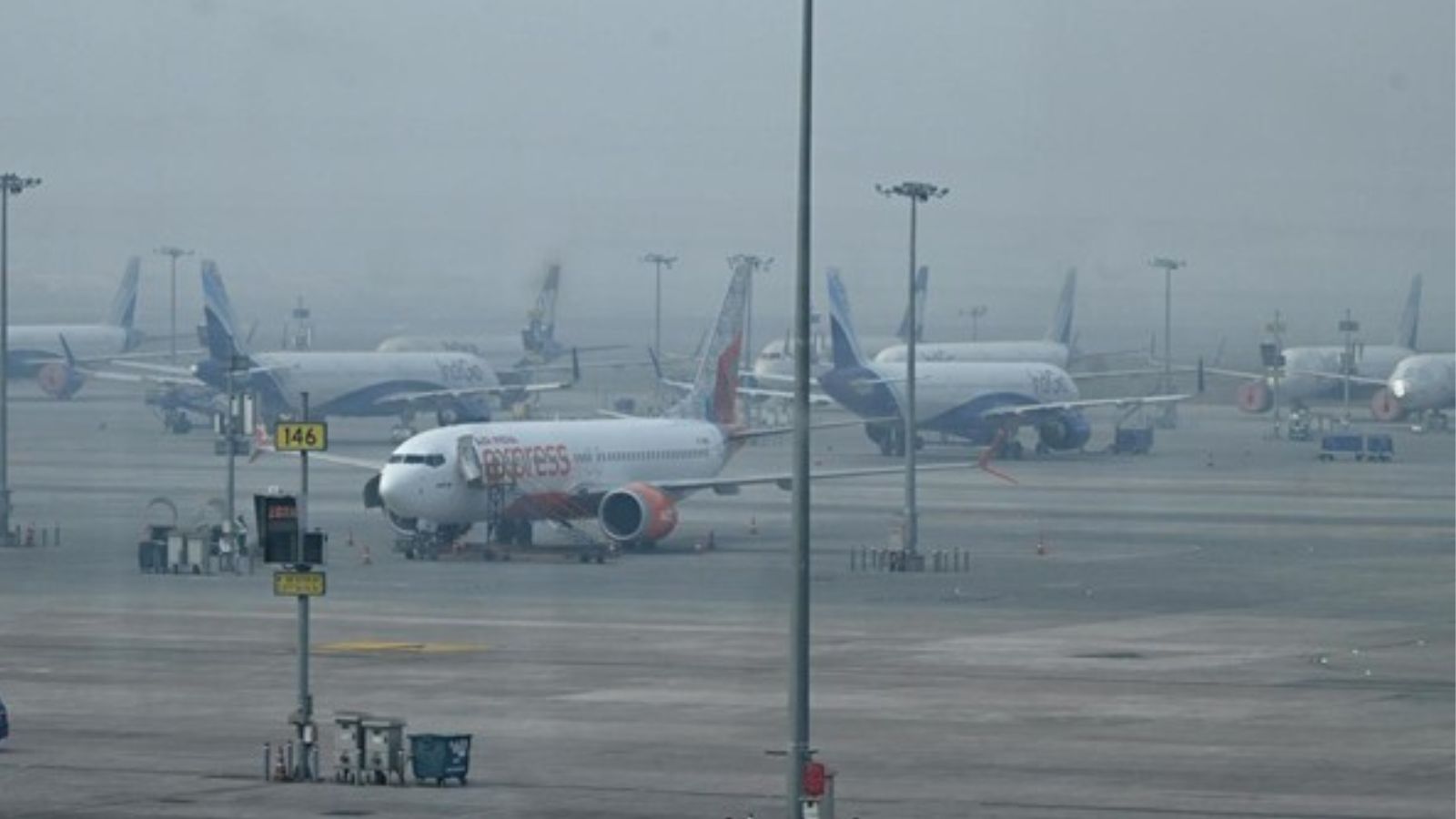
Operational Context
Indira Gandhi International Airport (IGI) experiences recurrent winter fog disruptions between December and January, occasionally extending into early February. These events routinely constrain runway throughput, delay aircraft rotations, and disrupt surface connectivity across Delhi-NCR. The current advisory aligns with established meteorological patterns involving western disturbances and overnight radiative cooling, requiring heightened operational readiness for airlines, ground handlers, logistics operators, and businesses reliant on-air connectivity.
Executive Summary
- Event Date: 02 February
- Location: Delhi, India
- Risk Category: Travel Risks
- Severity Level: 3 / 5
- Confidence Score: 85 %
Delhi Airport issued a passenger advisory citing reduced visibility due to dense fog. Based on historical winter fog events, the most likely impact window is 24–48 hours, with residual delays possible up to 72 hours as flight schedules normalize. Severity is assessed as moderate, reflecting repeated precedents of widespread delays, selective cancellations, and surface transport disruption. Confidence is high given alignment with past IMD patterns and multiple recent fog-related advisories at IGI.
Known Hotspots & Sensitive Zones
- High-impact zones: IGI Airport terminals, runways, taxiways, and immediate approach corridors.
- Medium-impact areas: Delhi-Meerut Expressway, NH9/GT Road, Outer Ring Road, and terminal drop-off zones.
- Low-impact areas: Surrounding NCR districts such as Gurugram, Noida, and Ghaziabad.
Winter fog shows strong seasonal recurrence, often peaking during early morning and late-night hours.
Impact on Transportation & Services
Air transport faces reduced runway capacity, slower ground movements, and increased likelihood of flight delays and cancellations under low-visibility procedures. Crew rotations and cargo connections may be disrupted, creating cascading effects across airline networks. Surface transport is affected by slower vehicle speeds and intermittent traffic management on expressways and arterial roads, complicating passenger access to terminals. Business operations dependent on punctual travel, aviation-linked services, and time-critical logistics are likely to experience short-term productivity and service impacts.
Recommended Action
- Organisations should activate travel-disruption protocols, restrict non-essential air travel and verify flight status before movement.
- Airlines and logistics operators should prioritise critical cargo and crew positioning, while businesses enable remote work for affected staff.
- Coordination with airport authorities, airlines, and local traffic police, along with proactive customer and employee communications, is advised.
- Continuous monitoring of IMD, DGCA, and airport advisories will support timely decision-making.
Multi-Dimensional Impact
Fog-related delays may compound unrelated events such as protests, local emergencies, or infrastructure incidents by slowing emergency response and increasing congestion across NCR corridors.
Emergency Contacts
- Delhi Traffic Police: @dtptraffic (X)
- IMD Weather Bulletins: mausam.imd.gov.in/
- Emergency Number: 112
Situational Outlook
The most likely scenario is short-term disruption lasting one to three days, with delays outweighing cancellations and gradual recovery as visibility improves. A moderate escalation remains possible if dense fog persists across consecutive nights, while severe, prolonged disruption is less likely but cannot be ruled out if meteorological conditions stagnate.
Strategic Takeaway
The current advisory reflects a familiar but operationally significant winter risk for Delhi-NCR. While severity remains moderate, the cumulative impact on mobility, cargo, and passenger experience can be substantial. Businesses and transport operators should maintain heightened vigilance, leverage early-warning systems, and use preparedness platforms such as MitKat’s Datasurfr to anticipate disruptions, coordinate responses, and limit cascading effects. Stay ahead of operational risks with real-time alerts, scenario modeling, and expert advisories with datasurfr’s Predict. Start your 14-day free trial of Datasurfr’s Risk Intelligence Platform today.