Operational Context
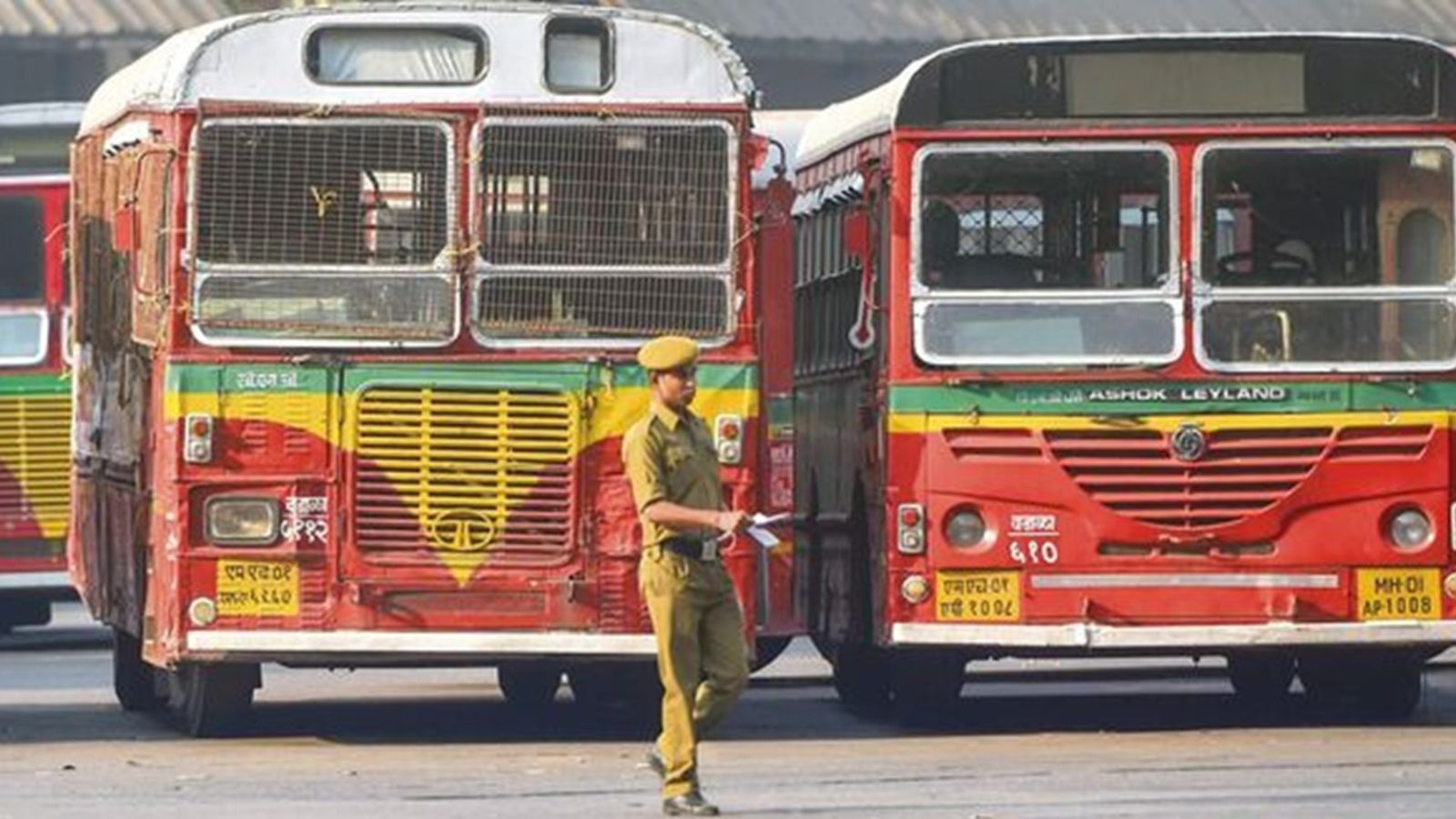
Azad Maidan in south Mumbai is a designated protest zone with a long history of labour demonstrations, hunger strikes, and sit-ins involving public-sector employees. Events at this location are typically regulated by Mumbai Police with standard crowd management, traffic diversions, and on-site medical preparedness. While protests here are generally peaceful, their proximity to Churchgate, Marine Drive, CST approaches, and major BEST bus corridors means even limited gatherings can create outsized disruption during peak commute hours.
Executive Summary
- Event Date: 27 January
- Location: Azad Maidan, Mumbai, Maharashtra, India
- Risk Category: Civil Disturbance
- Severity Level: 3 / 5
- Confidence Score: 75 %
Former BEST employees and retirees have initiated an indefinite chain hunger strike at Azad Maidan to press demands related to pending gratuity, pension, and service benefits. Based on repeated historical precedents at this venue, the protest is expected to remain largely peaceful but sustained, with the highest impact concentrated on local traffic, BEST bus operations, and public order management. Health-related incidents among protesters and periodic congestion during assembly and dispersal periods represent the most credible risks over a forecast window of three to 14 days.
Current Updates
As of 27 January, local reporting confirms the commencement of the hunger strike with participation from retirees and former depot staff. No major clashes or emergency declarations have been reported. Mumbai Police and civic authorities are monitoring the situation, with standard crowd-control and medical arrangements typical for Azad Maidan demonstrations. No formal citywide road closures have been announced at the time of writing.
Known Hotspots & Sensitive Zones
- High Impact Zones: Azad Maidan and adjacent Veer Nariman Road, where assemblies directly affect traffic flow.
- Medium Impact Zones: Churchgate station approaches, DN Road, Marine Lines access roads, and nearby BEST bus depots subject to diversion pressure.
- Low Impact Zones: CST corridors during peak hours.
Such protest activity shows a recurring pattern at Azad Maidan, particularly during labour disputes, with limited seasonal variation.
Impact on Transportation & Services
The primary impact is expected on road traffic and BEST bus services, with likely diversions or temporary suspension of stops around Azad Maidan during peak periods. Congestion may extend to Churchgate and Marine Drive corridors, causing delays of 30 to 90 minutes. Rail, air, port, and digital services are not expected to face direct disruption, though last-mile access for businesses in south Mumbai may be intermittently affected.
Recommended Action
- Organizations with operations or staff movement through south Mumbai should activate short-term incident monitoring, enable flexible work arrangements, and reroute logistics away from affected corridors.
- Coordination with Mumbai Police traffic advisories and municipal updates is advised.
- Preparedness should include employee safety guidance, alternate delivery planning, and clear stakeholder communications.
- Support agencies include Mumbai Police, Brihanmumbai Municipal Corporation disaster management units, and local traffic control rooms.
Multi-Dimensional Impact
Unseasonal rainfall or concurrent civic maintenance activities could increase health risks for hunger strikers and complicate crowd management; while coinciding traffic incidents may amplify congestion beyond the immediate protest area.
Emergency Contacts
- Emergency Services:100 (Police), 112
Situational Outlook
The most likely trajectory is a controlled, peaceful protest with intermittent congestion and isolated medical evacuations, gradually de-escalating as negotiations commence or health concerns intervene. A moderate escalation remains possible if allied labour groups join, increasing attendance and operational strain, while severe escalation involving citywide disruption or violence remains low probability.
Strategic Takeaway
The hunger strike represents a manageable but persistent civil disturbance risk with localized operational and reputational implications. Businesses and authorities should focus on early warning, staff safety, and traffic resilience. Continuous monitoring through structured risk intelligence and preparedness platforms such as MitKat’s Datasurfr can support timely decision-making and minimize disruption.
Stay ahead of operational risks with real-time alerts, scenario modeling, and expert advisories with datasurfr’s Predict. Start your 14-day free trial of Datasurfr’s Risk Intelligence Platform today.