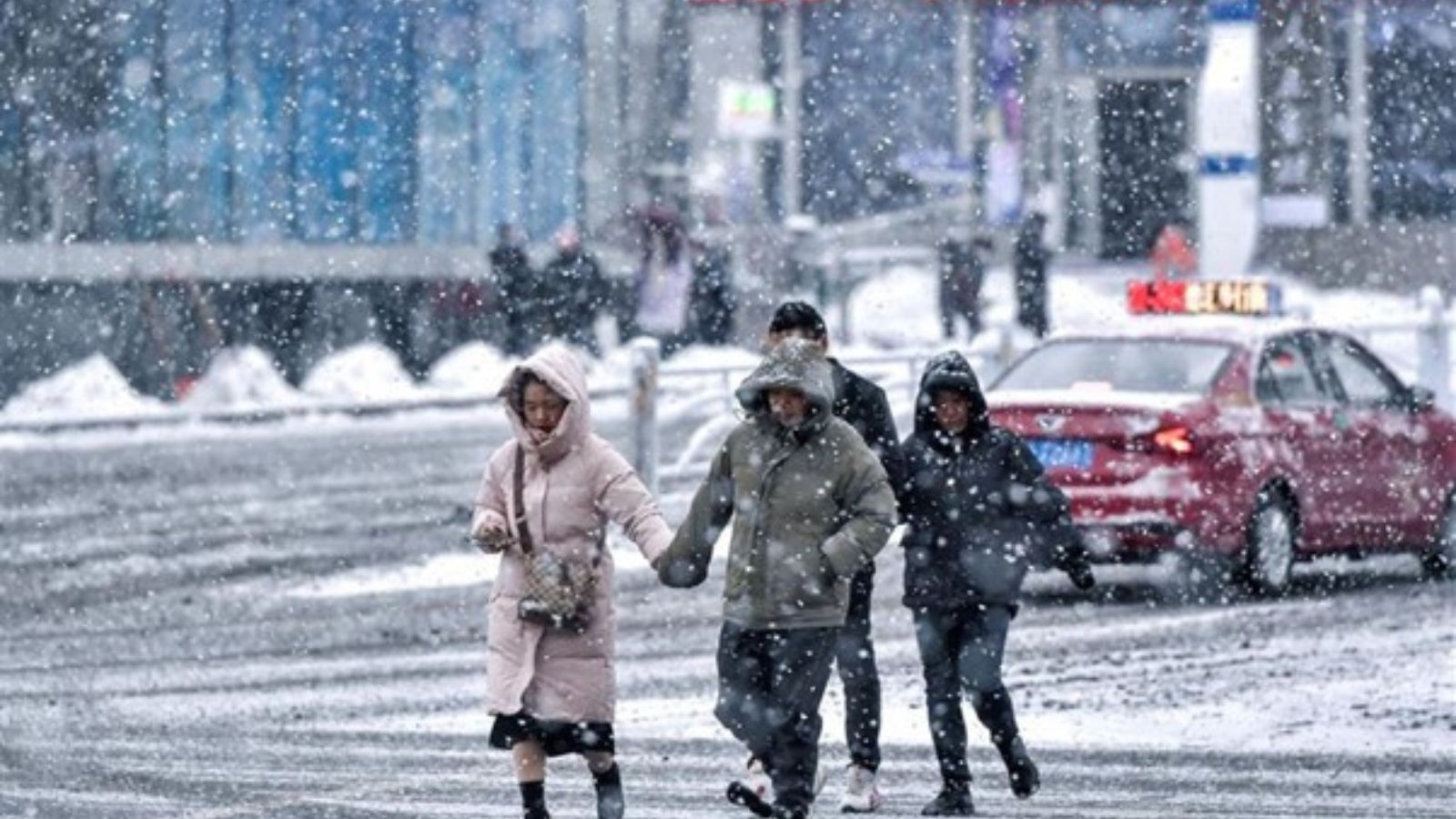
Operational Context
Ice storms are a recurring winter hazard in parts of southern and central China, particularly in provinces with complex terrain such as Guizhou, Hunan and Jiangxi. These regions frequently experience freezing rain when cold air masses interact with moist systems, leading to rapid ice accretion on roads, power lines and vegetation. Historical China Meteorological Administration (CMA) advisories show that the most disruptive impacts typically occur within the first 24–48 hours, affecting road safety, rail operations and distribution-level utilities rather than causing widespread structural damage. Operations dependent on worker mobility, last-mile logistics and uninterrupted electricity supply are most exposed during such events.
Executive Summary
- Event Date: 22 January
- Location: Southern and Central China (notably Guizhou, Hunan and Jiangxi provinces)
- Risk Category: Environment
- Severity Level: 3 / 5
- Confidence Score: 75 %
An ice-storm warning has been issued for multiple provinces in China, with freezing rain and icing conditions expected to persist for 24–72 hours. The event is likely to cause moderate disruption to transport networks, localized power outages and delays to business operations. While large-scale infrastructure damage is unlikely under current forecasts, the combination of icy surfaces and terrain increases safety and mobility risks.
Current Updates
The CMA issued a blue ice-storm warning on 22 January, following successive frost and cold-wave advisories since 20 January. Forecasts indicate freezing rain affecting elevated road corridors and urban tree canopies in Guizhou, Hunan and Jiangxi. Local authorities have initiated standard mitigation measures, including de-icing operations and travel advisories, with rolling updates expected over the next 48–72 hours.
Known Hotspots & Sensitive Zones
- High-impact zones: Mountainous and elevated corridors in Guizhou and Hunan, where expressways and secondary roads are prone to black ice and temporary closures.
- Medium-impact areas: Urban districts in affected provinces with dense tree cover and overhead power distribution networks vulnerable to ice loading.
- Low-impact areas: Low-lying urban centres where precipitation may remain cold rain.
Seasonal recurrence is well established, with similar ice events recorded most winters under comparable synoptic conditions.
Impact on Transportation & Services
Road transport is expected to face the most disruption, with reduced traction, speed restrictions and possible closures on expressways and county roads. Rail services may implement speed limits, particularly on mountain sections, while airports in regional hubs could experience de-icing delays. Localized power distribution faults are likely where ice accumulates on lines and vegetation, potentially affecting communications and business operations reliant on continuous electricity and staff access.
Recommended Action
- Organizations should activate short-term ice-storm response protocols, including flexible work arrangements, adjusted delivery schedules and asset winterization.
- Critical facilities should verify backup power readiness and remote monitoring capabilities.
- Coordination with local authorities, emergency services and meteorological updates is advised to enable timely operational decisions and safety messaging.
Multi-Dimensional Impact
No unrelated concurrent events have been identified. Existing cold-wave conditions are expected to compound operational stress during the ice-storm period.
Emergency Contacts
- Emergency Services (China): 110 (Police), 119 (Fire), 120 (Medical)
- China Meteorological Administration: cma.gov.cn/en
Situational Outlook
The most likely outlook is a moderate ice event concentrated over elevated and rural areas, with standard mitigation measures limiting impacts to short-term transport delays and localized outages. A moderate escalation remains possible if freezing rain persists beyond the forecast window, while a severe, prolonged ice-storm scenario is less likely but would significantly strain utilities and logistics.
Strategic Takeaway
The ice-storm warning represents a manageable but non-trivial environmental risk with clear implications for travel safety and operational continuity. Close monitoring of meteorological updates, proactive workforce and logistics planning, and use of early-warning intelligence platforms such as MitKat’s Datasurfr will be critical in reducing disruption and safeguarding people and assets during the event window.Stay ahead of operational risks with real-time alerts, scenario modeling, and expert advisories with datasurfr’s Predict. Start your 14-day free trial of Datasurfr’s Risk Intelligence Platform today.