Executive Summary for the Expanded Strike Mandate in the UK
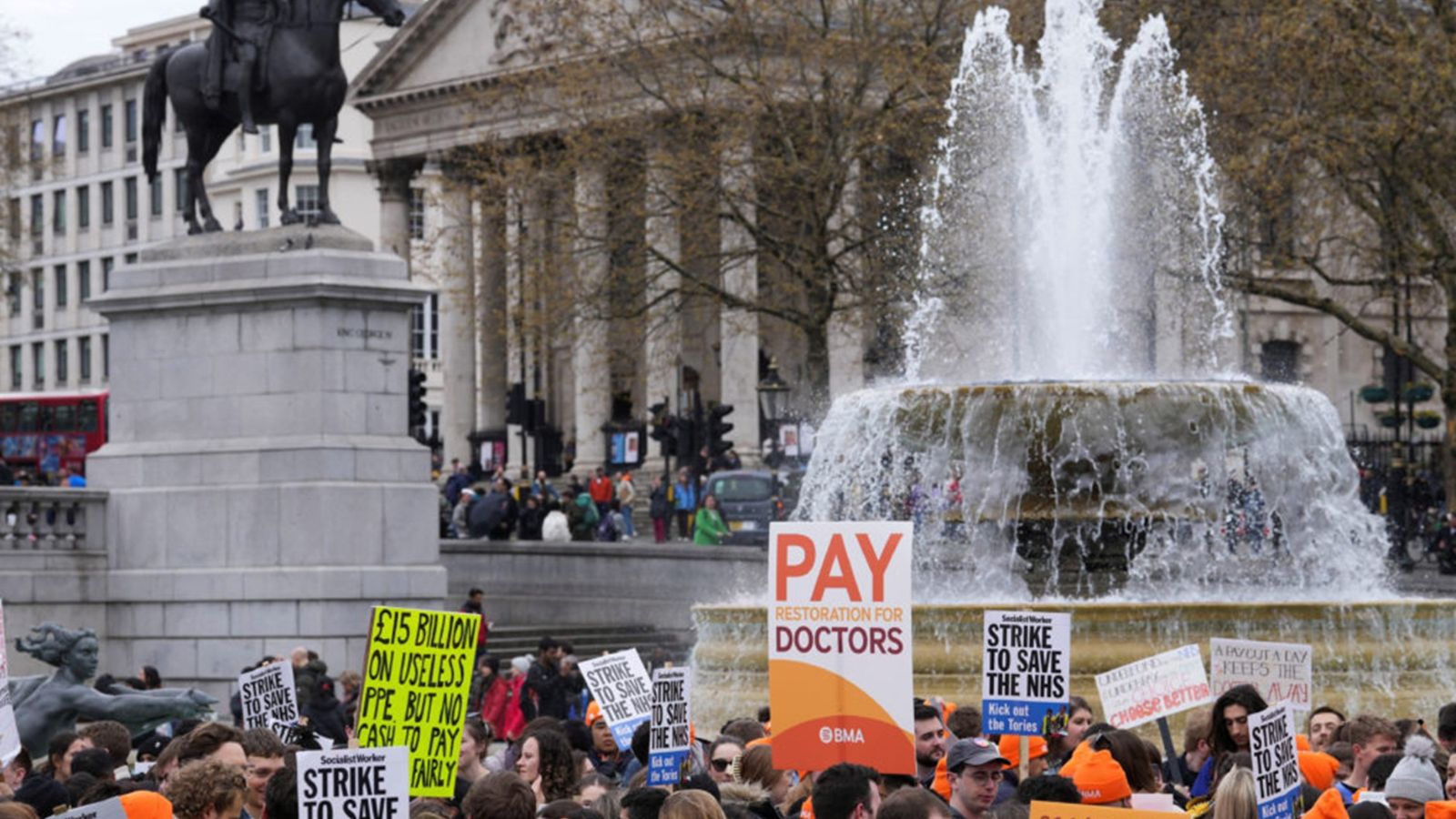
Expanded strike mandates by education and healthcare unions are scheduled to take effect on Tuesday, 03 February, with impacts expected across schools, universities, and NHS services. The primary disruption window is the strike day and the following 24–72 hours, during which missed classes, postponed outpatient appointments, and transport delays are likely. Severity is assessed as moderate due to limited direct safety risk but notable operational disruption to public services and business continuity. Confidence is high based on consistent historical strike behaviour and prior disruption patterns.
- Event Date: 03 February
- Location: Scotland and England, United Kingdom
- Risk Category: Civil Disturbance
- Severity Level: 3 / 5
- Confidence Score: 78 %
Operational Context
Industrial action in the United Kingdom’s education and healthcare sectors has followed a recurring pattern over recent years, often concentrated in major urban centres and transport-linked regions. Such strikes typically cause short-term but widespread disruption to public services, with secondary effects on commuting, childcare availability, and employer operations. Scotland and England are particularly exposed due to workforce density, reliance on public transport, and concentration of schools, universities, and NHS facilities in metropolitan areas.
Known Hotspots & Sensitive Zones
- High Impact Zones: London, Glasgow, Edinburgh, and Manchester, transport corridors including the A9 and A82 in Scotland, as well as urban bus and rail interchanges.
- Medium Impact Zones: Regional towns with limited alternative service capacity.
- Low Impact Zones: Rural locations with minimal reliance on affected services.
Industrial action shows strong recurrence following union ballot cycles, with potential for rolling or follow-up strikes.
Impact on Transportation & Services
Education strikes are likely to result in partial or full school closures, creating childcare gaps and workforce absenteeism. Healthcare action is expected to reduce NHS outpatient capacity, defer elective procedures, and increase reliance on emergency pathways. Transport disruption may arise from staff shortages and protest activity, affecting buses, local rail, and trunk roads, particularly during peak hours. These impacts collectively strain business operations, delay deliveries, and increase demand on customer-service and administrative systems.
Recommended Action
- Organisations should activate strike contingency plans, confirm minimum staffing for critical roles, and enable flexible or remote working arrangements where feasible.
- Clear communication with employees, parents, customers, and suppliers regarding service impacts and attendance expectations is essential.
- Businesses operating near protest-prone sites should review access controls and asset protection measures.
- Ongoing liaison with local authorities, police, and service providers will support situational awareness and rapid response.
Multi-Dimensional Impact
While no unrelated concurrent events are identified, prolonged or widened strike action could amplify community tensions and extend service backlogs, particularly in healthcare and education administration.
Emergency Contacts
- Emergency Number: 112
- National Health Service: nhs.uk/
Situational Outlook
The most likely outlook is a single-day disruption with residual effects lasting several days as services reschedule. Moderate escalation remains possible if additional ballots or coordinated action extend strikes regionally, while severe escalation would involve sustained multi-sector industrial action over the coming weeks.
Strategic Takeaway
The expansion of strike mandates represents a moderate but manageable civil disturbance risk for the United Kingdom. Early planning, transparent communication, and flexible workforce strategies are critical to limiting disruption. Organisations should continue monitoring labour developments and leverage early-warning and risk-intelligence platforms such as MitKat’s Datasurfr to anticipate escalation and support informed continuity decisions.
Stay ahead of operational risks with real-time alerts, scenario modeling, and expert advisories with datasurfr’s Predict. Start your 14-day free trial of Datasurfr’s Risk Intelligence Platform today.