Operational Context
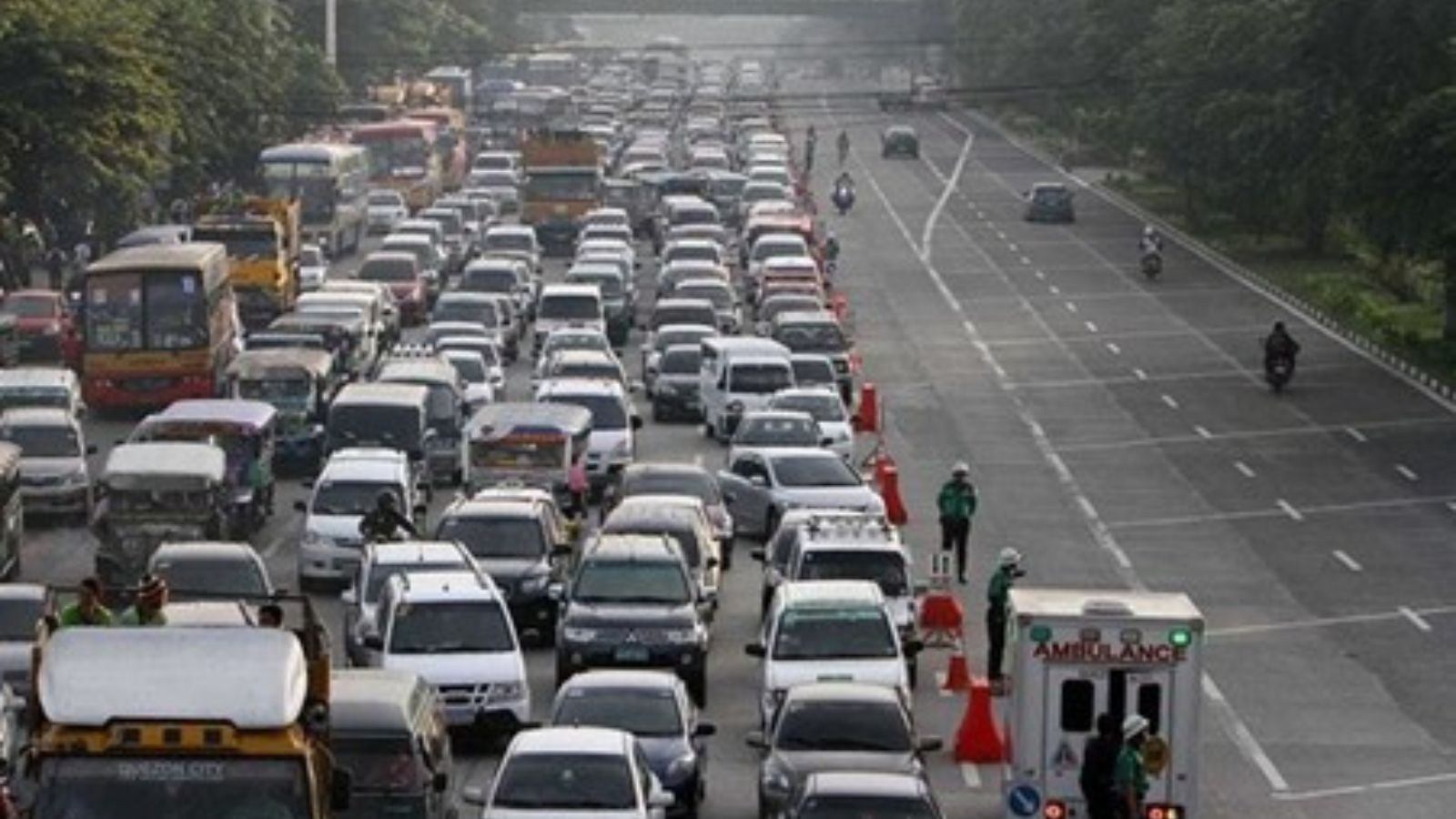
Commonwealth Avenue is one of Metro Manila’s primary east–west arterial corridors, carrying high daily volumes of private vehicles, buses, jeepneys and UV Express services linking Fairview, Philcoa, Quezon Avenue and onward connections to EDSA. Temporary closures along this corridor are frequent and typically associated with MMDA-led maintenance, reblocking or incident response. Historical patterns show that even short-duration westbound closures can generate significant spillover congestion on parallel routes, particularly Quezon Avenue, Mindanao Avenue and Don Mariano Marcos Avenue, with knock-on effects for workforce mobility and urban logistics.
Executive Summary
- Event Date: 22 January
- Location: Commonwealth Avenue, Quezon City, Metro Manila, Philippines
- Risk Category: Travel Risks
- Severity Level: 3 / 5
- Confidence Score: 85 %
The MMDA has announced a temporary closure of Commonwealth Avenue westbound on 22 January. The most likely impact window is four to twelve hours, with moderate but material disruption to traffic flow, public transport operations and time-sensitive deliveries. While the risk is localized, congestion on diversion routes may extend delays beyond the immediate closure period.
Current Updates
The MMDA issued a traffic advisory confirming the closure of the westbound carriageway of Commonwealth Avenue on 22 January for operational or maintenance purposes. Motorists are advised to use designated alternate routes, with traffic enforcers and temporary signage expected on site throughout the closure window.
Known Hotspots & Sensitive Zones
- High Impact Zones: Westbound stretch of Commonwealth Avenue near Tandang Sora Avenue, Philcoa and approaches to Quezon Avenue.
- Medium Impact Zones: Don Mariano Marcos Avenue, Mindanao Avenue and Regalado Avenue.
- Low Impact Zones: Surrounding residential streets with limited through-traffic.
Similar congestion patterns recur during MMDA roadworks, particularly on weekdays
Impact on Transportation & Services
Road transport will be the primary sector affected, with expected travel time increases of 20–60 percent on affected corridors. Public transport services operating westbound on Commonwealth Avenue will be rerouted or delayed, potentially increasing passenger loads on MRT stations near North Avenue and Quezon Avenue. Business operations reliant on predictable delivery schedules or customer access via Commonwealth Avenue may face short-term disruption, while access to facilities along the closed corridor may be temporarily constrained.
Recommended Action
- Organizations should issue advance travel advisories to employees and contractors, highlighting alternate routes and flexible reporting times.
- Logistics and field operations should be rescheduled or rerouted to avoid westbound Commonwealth Avenue during the closure window.
- Continuous coordination with MMDA advisories and local traffic updates is recommended, alongside proactive customer communication to manage expectations.
Multi-Dimensional Impact
The closure is unlikely to significantly affect unrelated security or emergency incidents, though minor delays to emergency vehicle routing may occur if diversion routes are congested.
Emergency Contacts
- Emergency Services (Philippines): 911
- MMDA Traffic Hotline: 136
Situational Outlook
The most probable outlook is that the closure proceeds within the announced timeframe, with congestion easing several hours after reopening. A moderate escalation could arise if works extend longer than planned or if incidents occur on diversion routes, while a severe escalation remains unlikely but possible if compounded by accidents or concurrent disruption.
Strategic Takeaway
The Commonwealth Avenue westbound closure represents a moderate, short-term travel risk with predictable impacts. Early communication, flexible scheduling and real-time traffic monitoring will be sufficient to manage disruption. For businesses operating in Metro Manila, integrating early-warning mobility intelligence through preparedness tools such as MitKat’s Datasurfr can materially reduce operational and reputational risk during recurring urban transport disruptions.
Stay ahead of operational risks with real-time alerts, scenario modeling, and expert advisories with datasurfr’s Predict. Start your 14-day free trial of Datasurfr’s Risk Intelligence Platform today.